
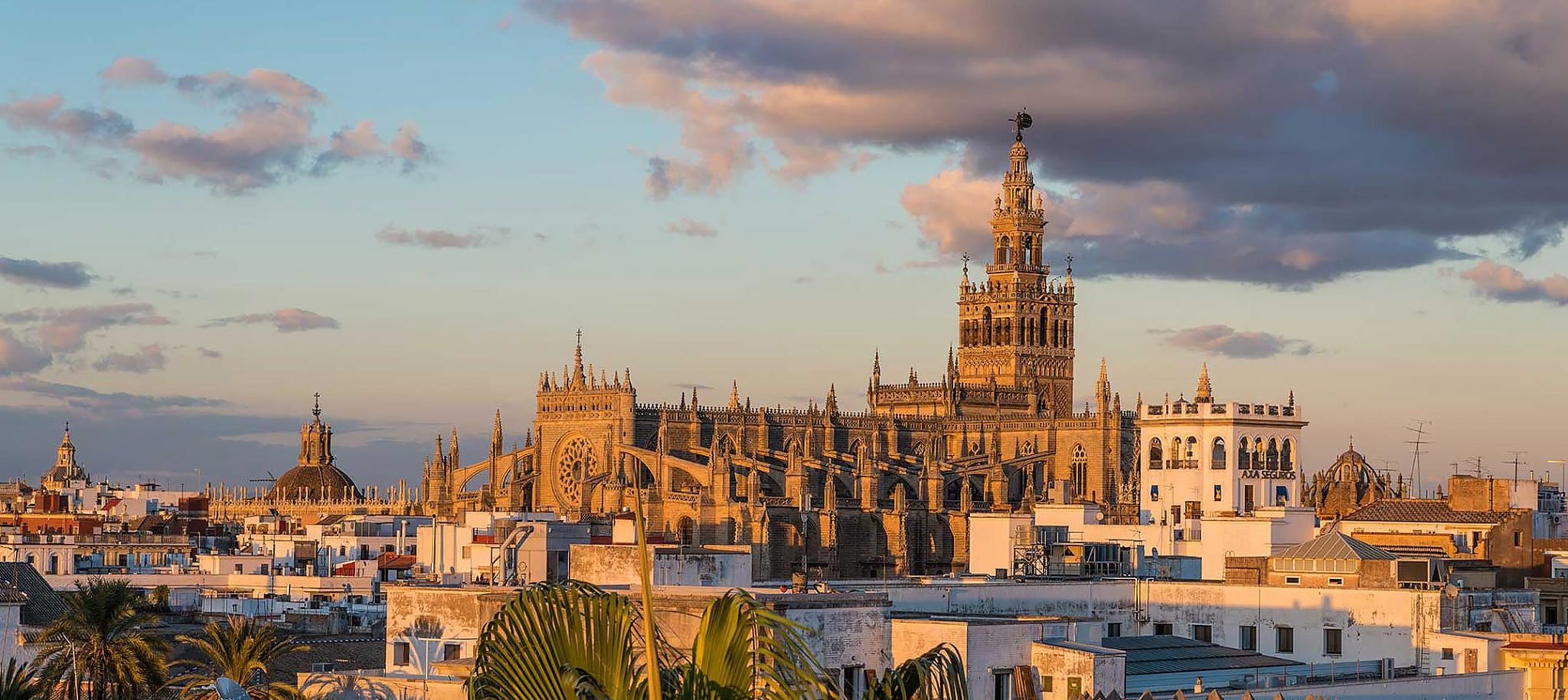
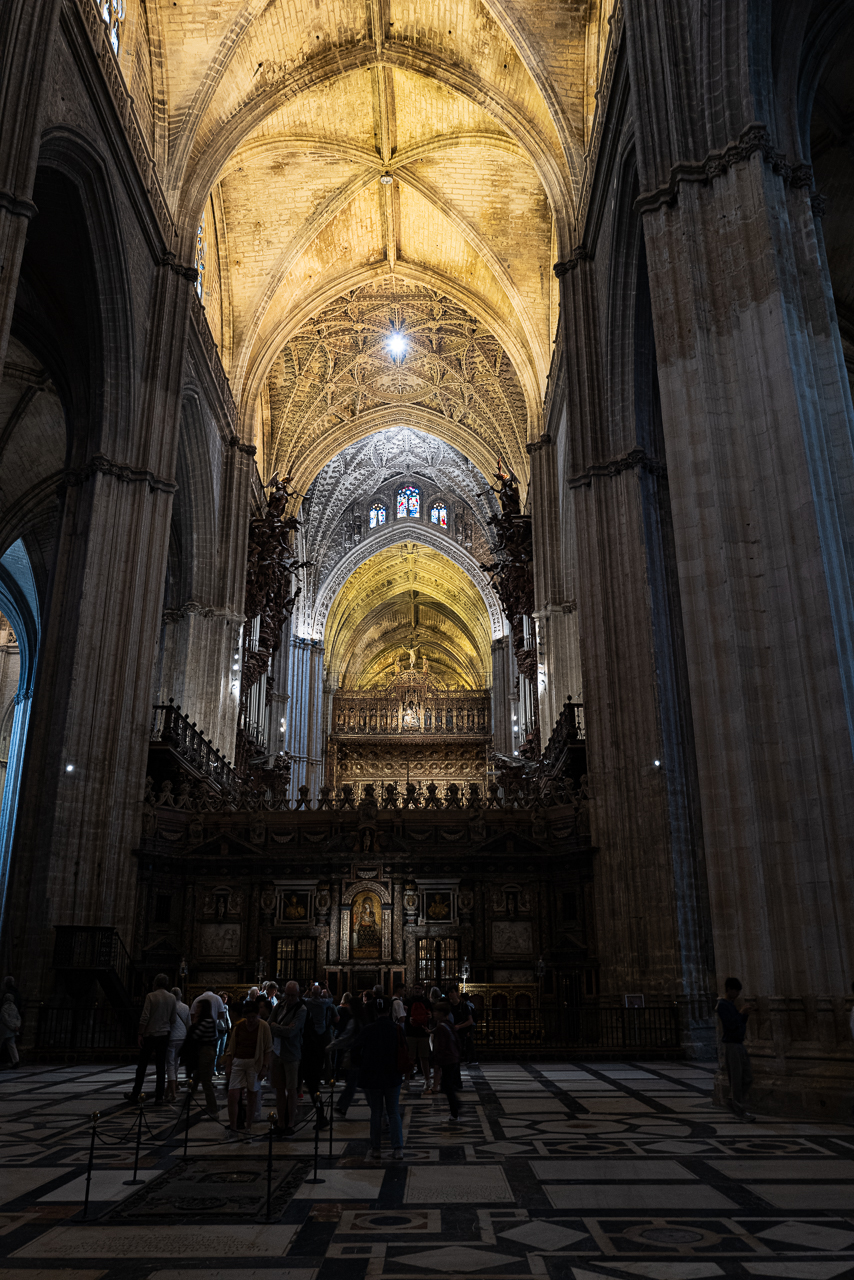
“The Cathedral of Seville is the largest Gothic cathedral in the world, and the third in size after St. Peter’s Basilica of the Vatican in Rome, and St. Paul in London. In 1987 it was declared a World Heritage Site by UNESCO.”
“Seville Cathedral was built by converting a mosque, built between 1184 and 1198, that was originally on the site. The Almohad caliph Abu Yaqub Yusuf ordered the construction of the Almohad mosque in 1172, after which it saw several additions and expansion works. With the conquest of Seville by Ferdinand III, the mosque was converted into a catholic church in 1248.”
“Later, in 1401, the gothic expansion of Seville Cathedral was set in motion, with the idea of “Hagamos una Iglesia tan hermosa y tan grandiosa que los que la vieren labrada nos tengan por locos”, which loosely translates to “Let us build a church so beautiful and so grand that those who see it finished will take us for mad”. Major architects associated with these constructions were Enrique de Egas (initial stages), Juan Gil de Hontañón (1517-1526) and Juan de Castillo (completed the main facade in 1564). Several architects and designers also contributed over centuries, adding chapels, decorations, and other elements.”
The chapels were largely funded by wealthy families as a dispensation to various saints. A lot of the funding came from wealth derived from trade with the Americas before the river silted up and the focus of Spain’s maritime empire moved downriver to Cadiz.
The cathedral is so big, and so full, and so awesome that it’s a lot to absorb, a lesson learned on our two previous visits. We decided to go today for two reasons – first, after coffee, we walked by and the entry line was really short. Second, I was on a mission to see the tomb of Ferdinand III and his “incorruptible corpse,” something I’d previously missed. To make sure that didn’t happen again, we did a very methodical search of the church taking photos and reading the information signs at every single chapel, something that took a solid hour. By the end, we realized we’d missed him again so I walked over to the information desk and asked the gentleman where he was.
First of all, I was wrong about the king. I said “Felipe” when it was “Ferdinand.” The man said there is no Felipe here. I added, “The Liberator of Sevilla,” he said “No.” Perplexed we sat in a pew and I did a search and discovered it was “Ferdinand,” so I went back and corrected myself. He told me that Ferdinand was in the royal chapel on the far side of the main altar. Off we went, but having already been there, we had our doubts. The was a crypt in that location, but it was devoted to a minor royal family with no kings in sight. I did another search and found a nice photo of the incorruptible corpse so I knew it existed, but we couldn’t find a way into the only locked door we could find. So I went back again and asked and sure enough we got the answer – it was Ferdinand and yes he was in a crypt and that crypt is not open to the public. Something he could have told me on the first stop. Alas, foiled again.
This visit was easily a day’s worth of culture and we rescheduled our planned visit to Casa Pilatos until tomorrow. Now it’s off to dinner.
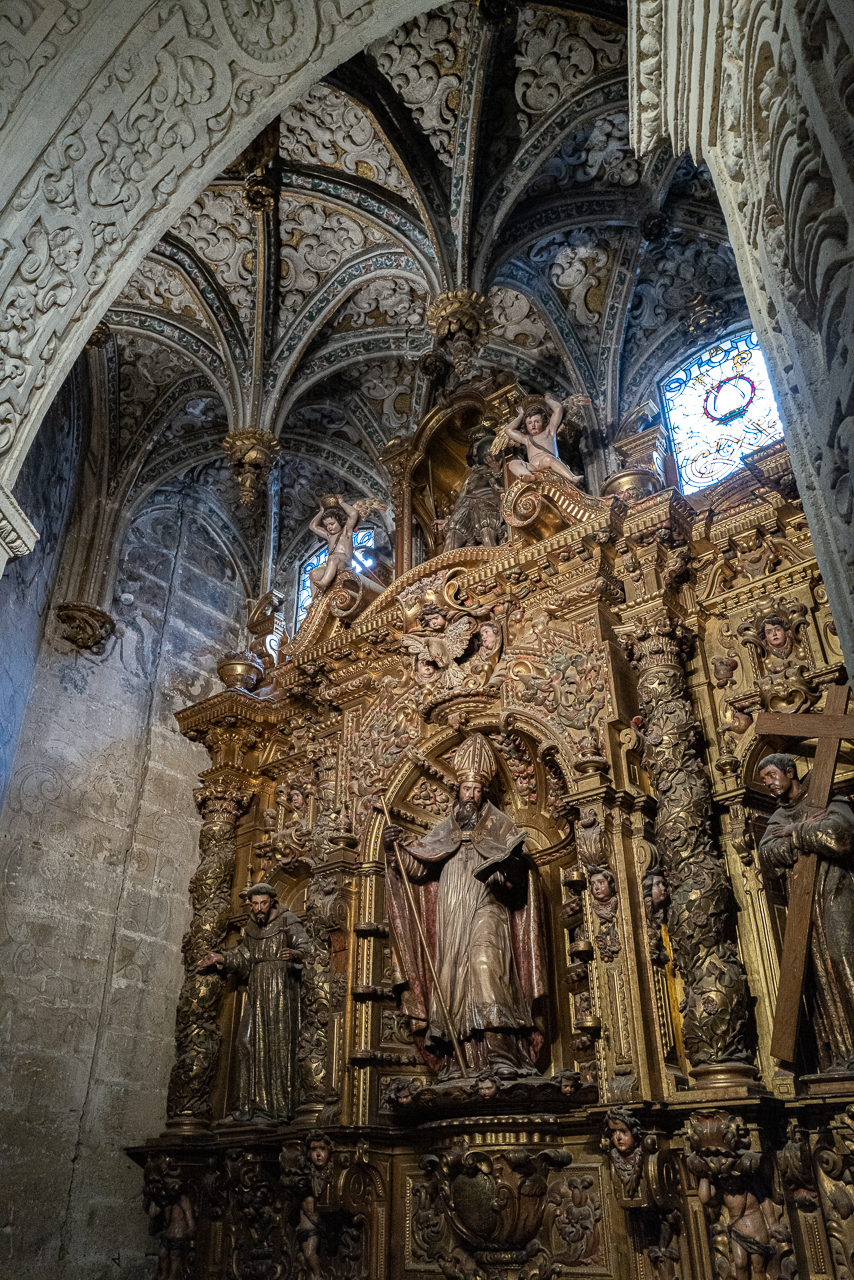
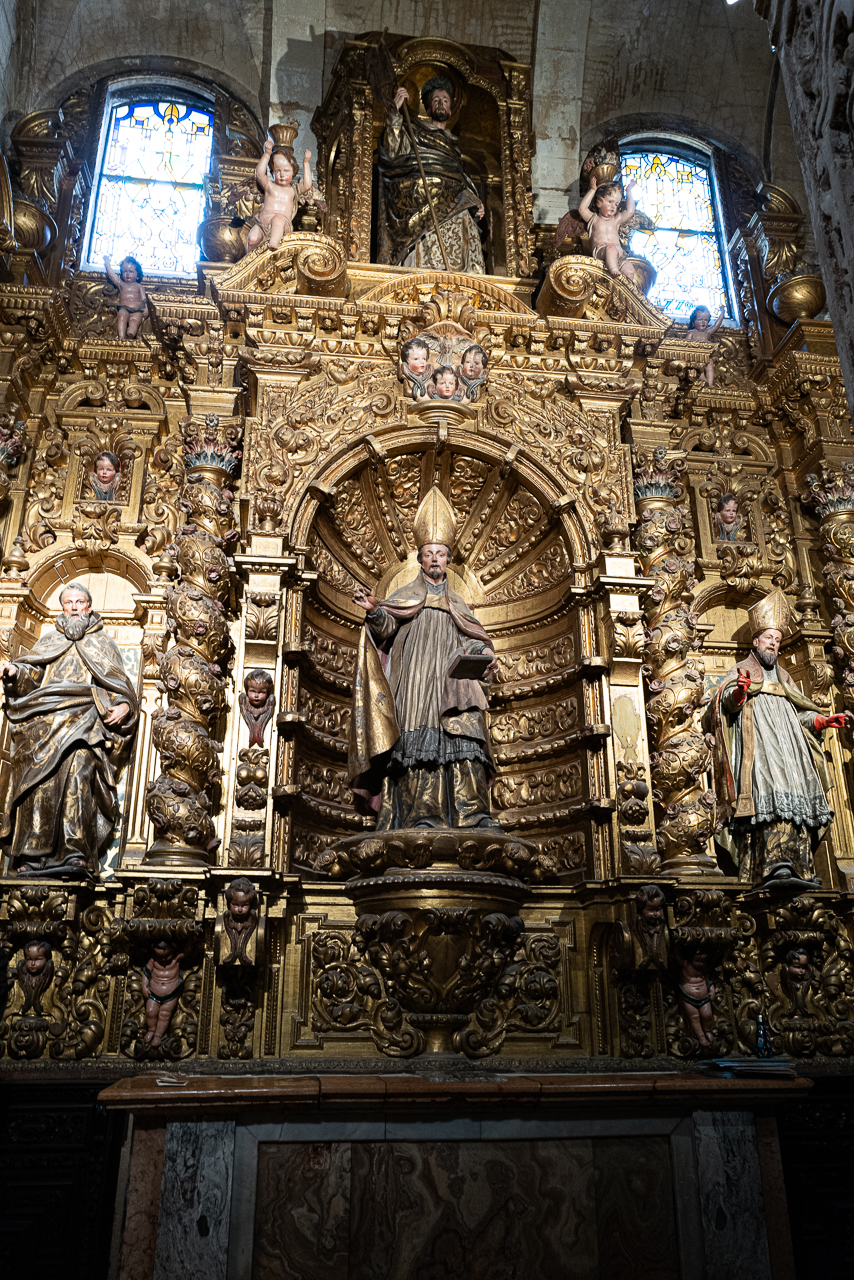
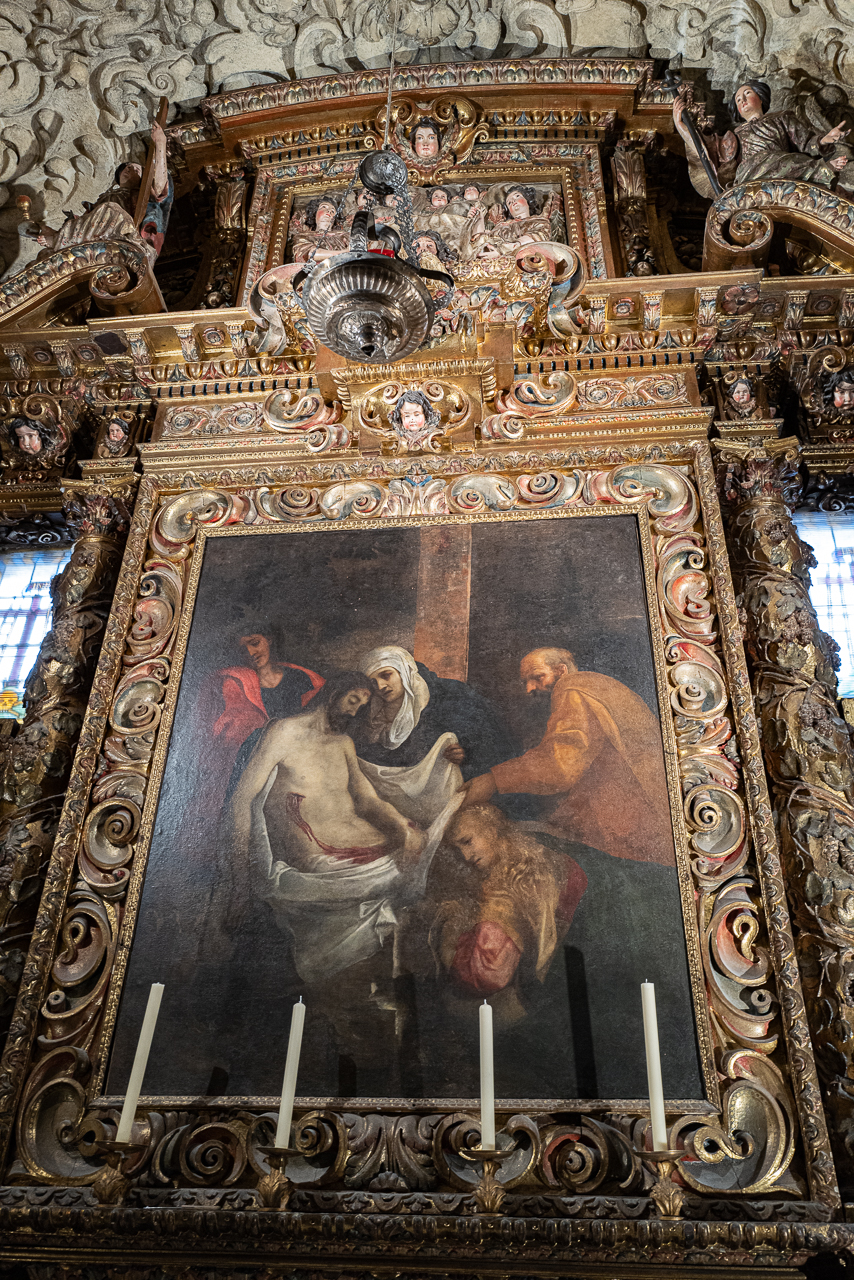
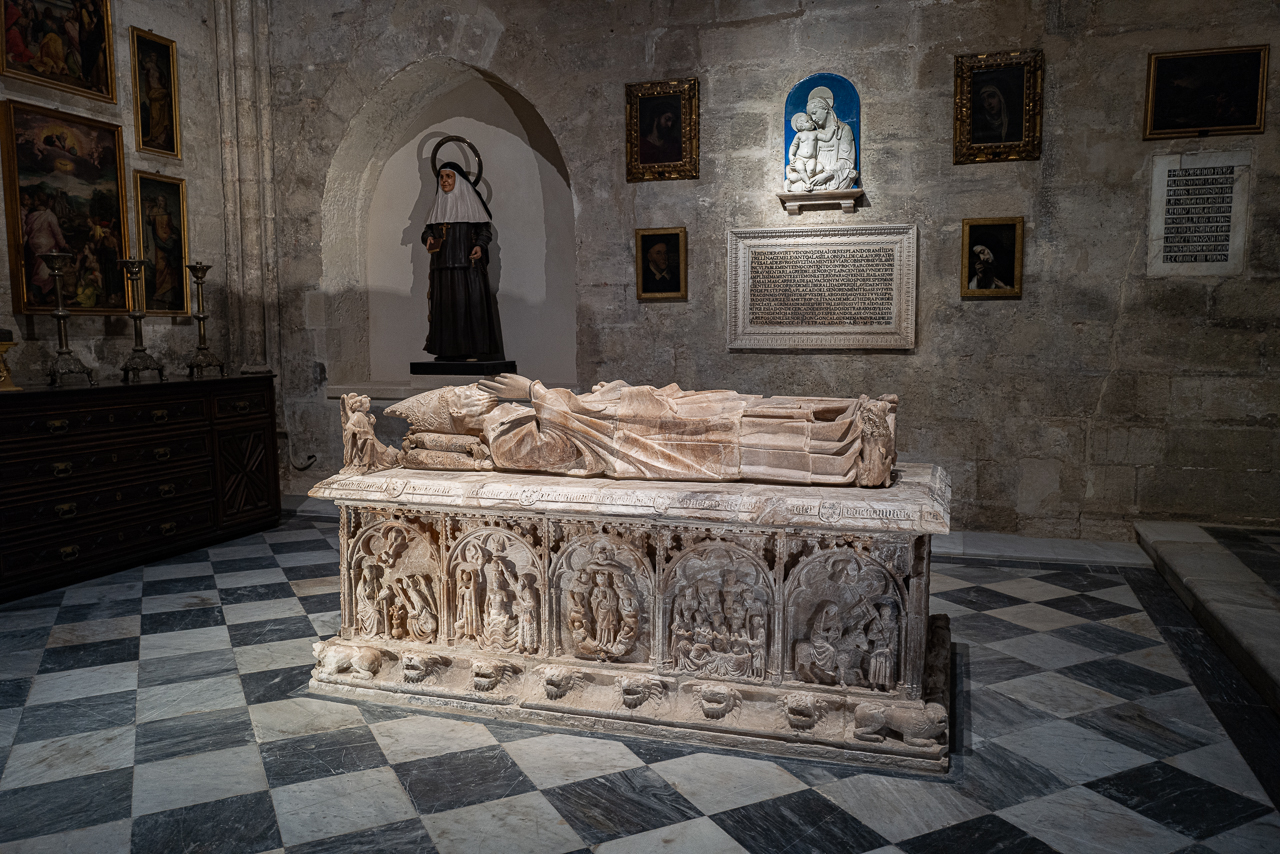
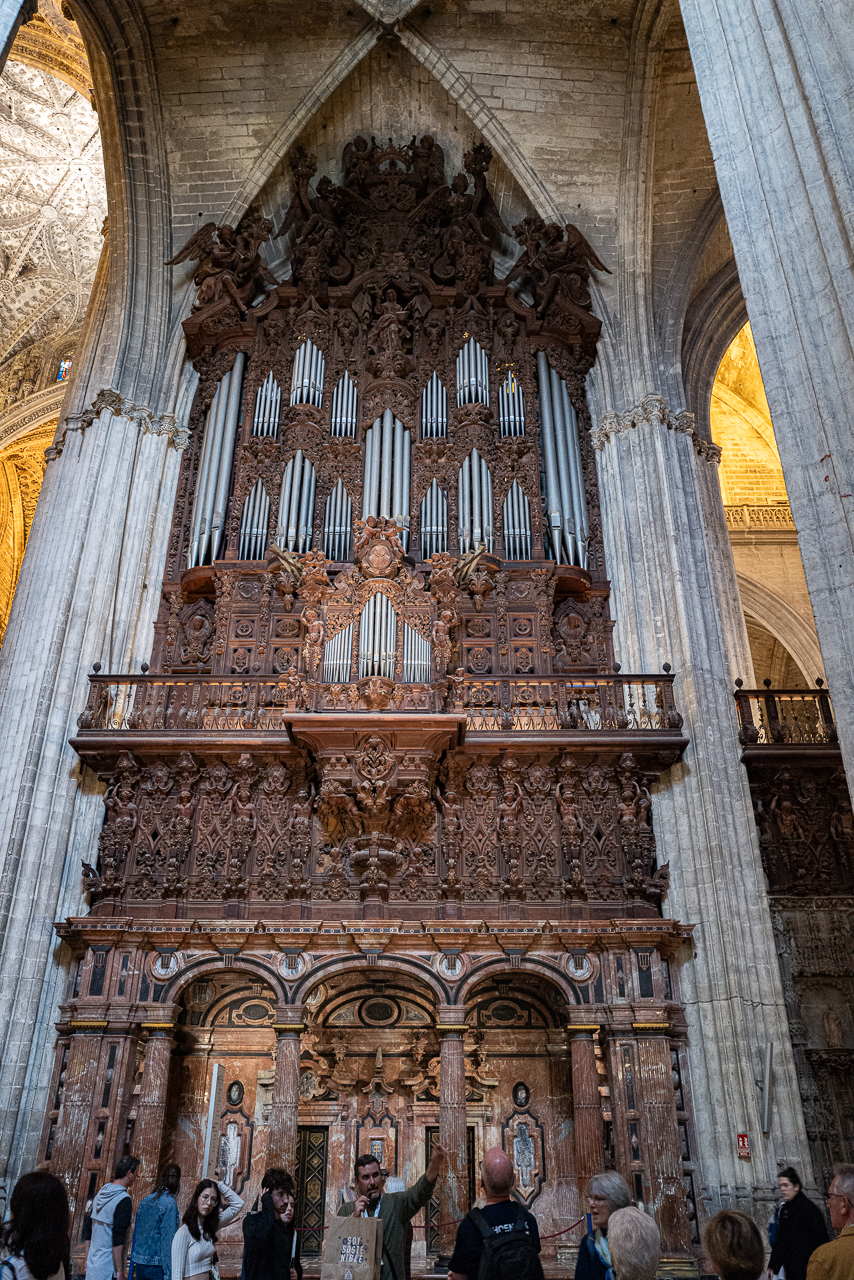
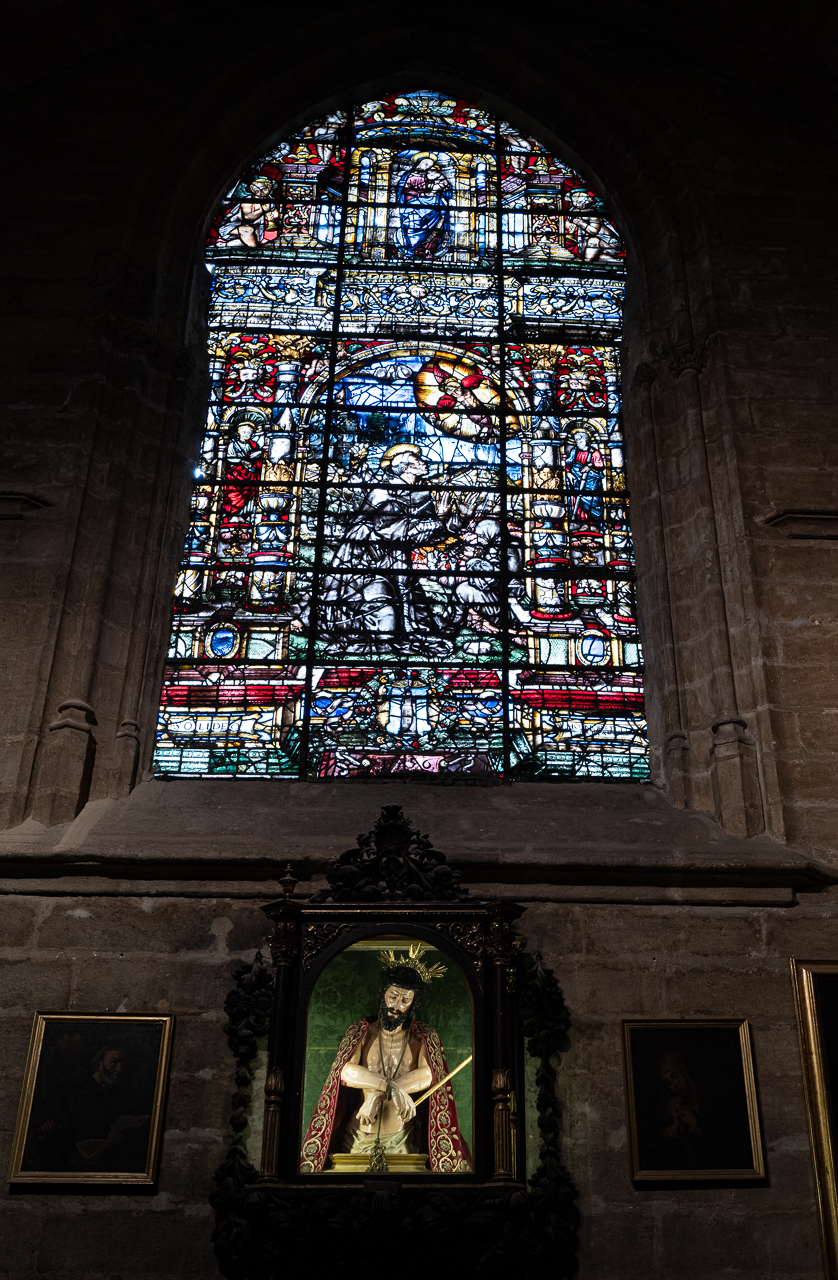
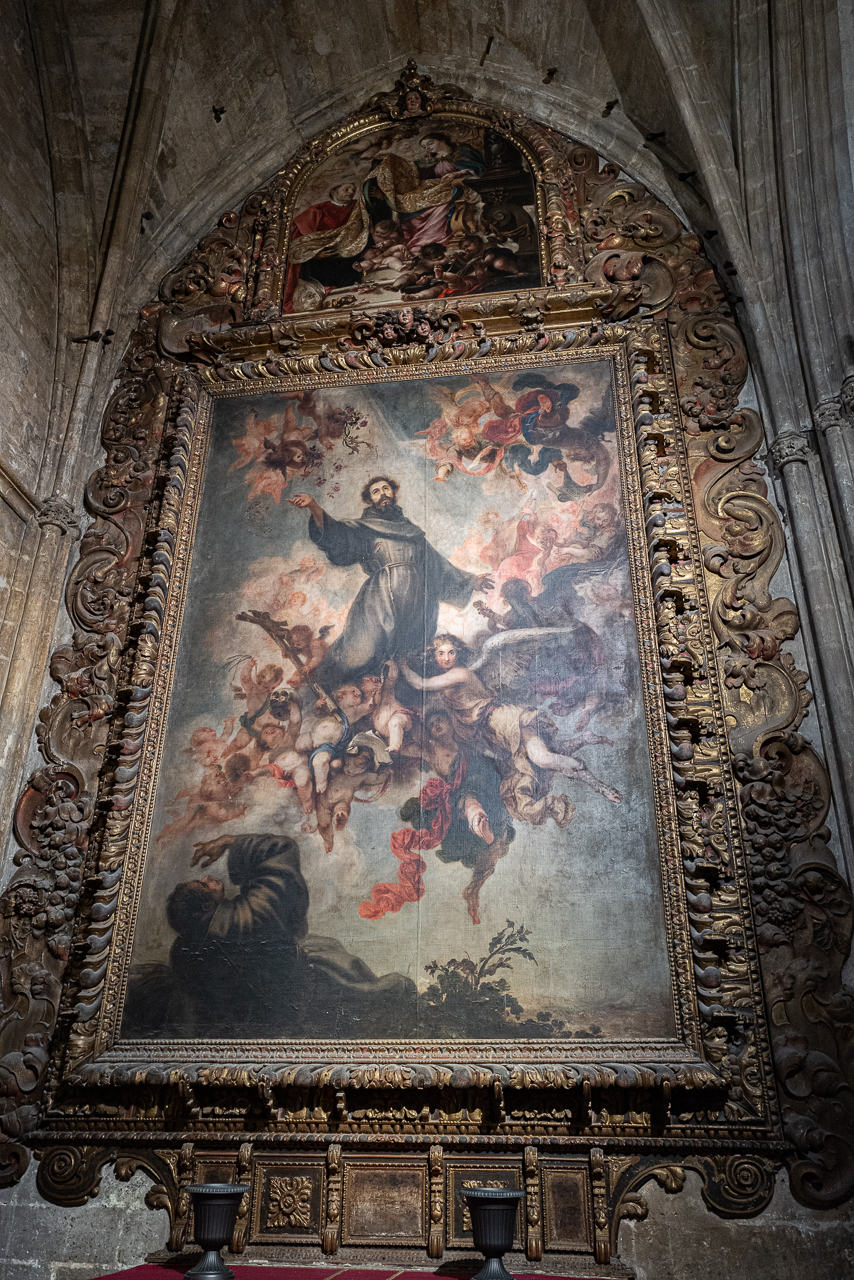
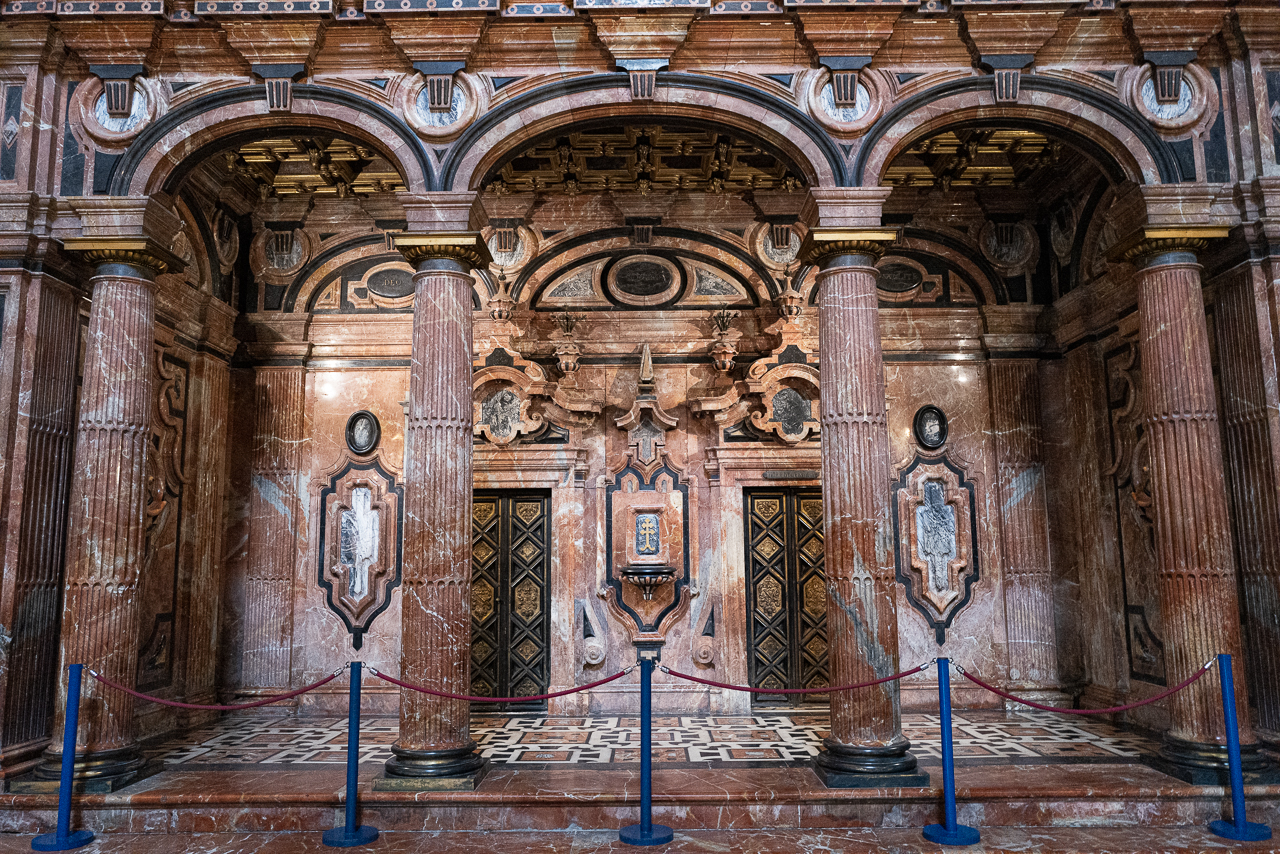
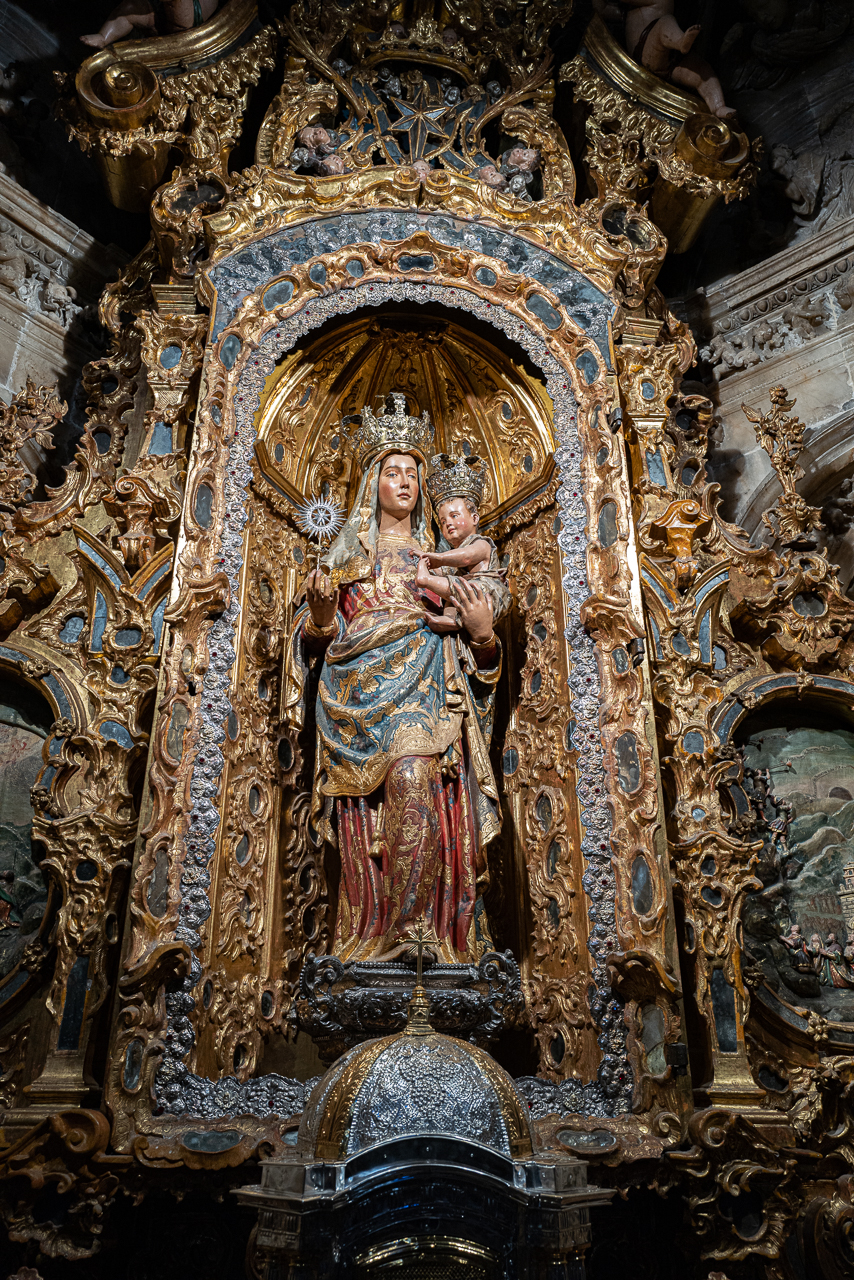
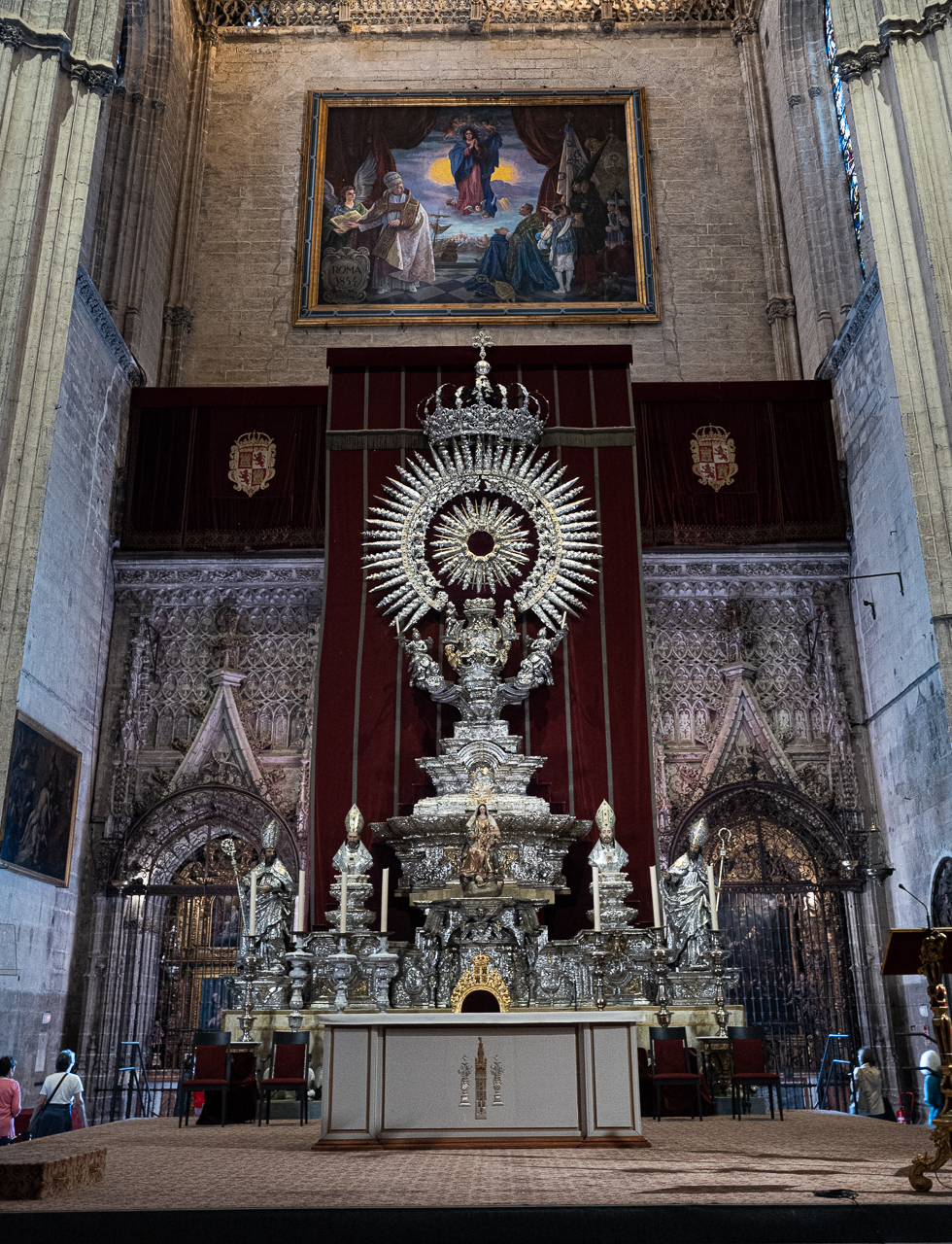
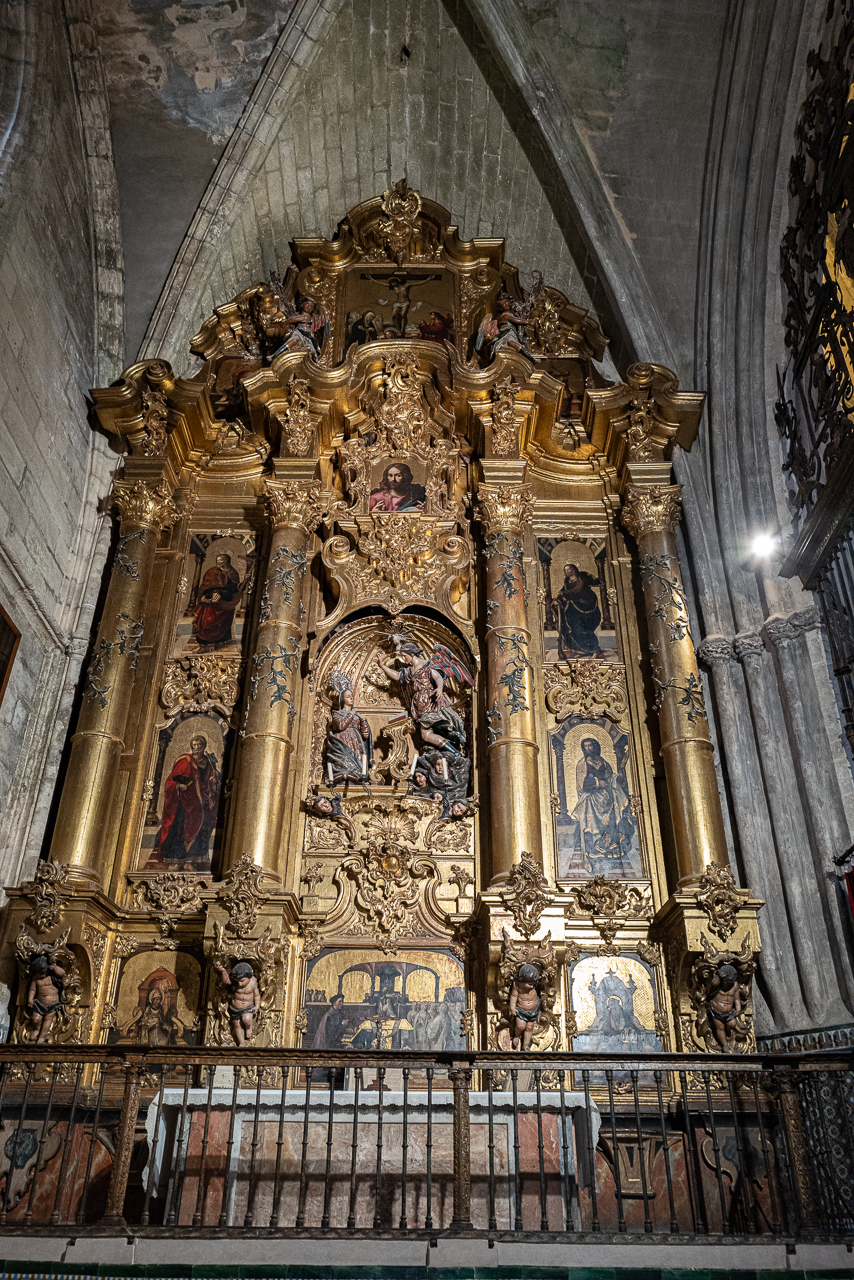
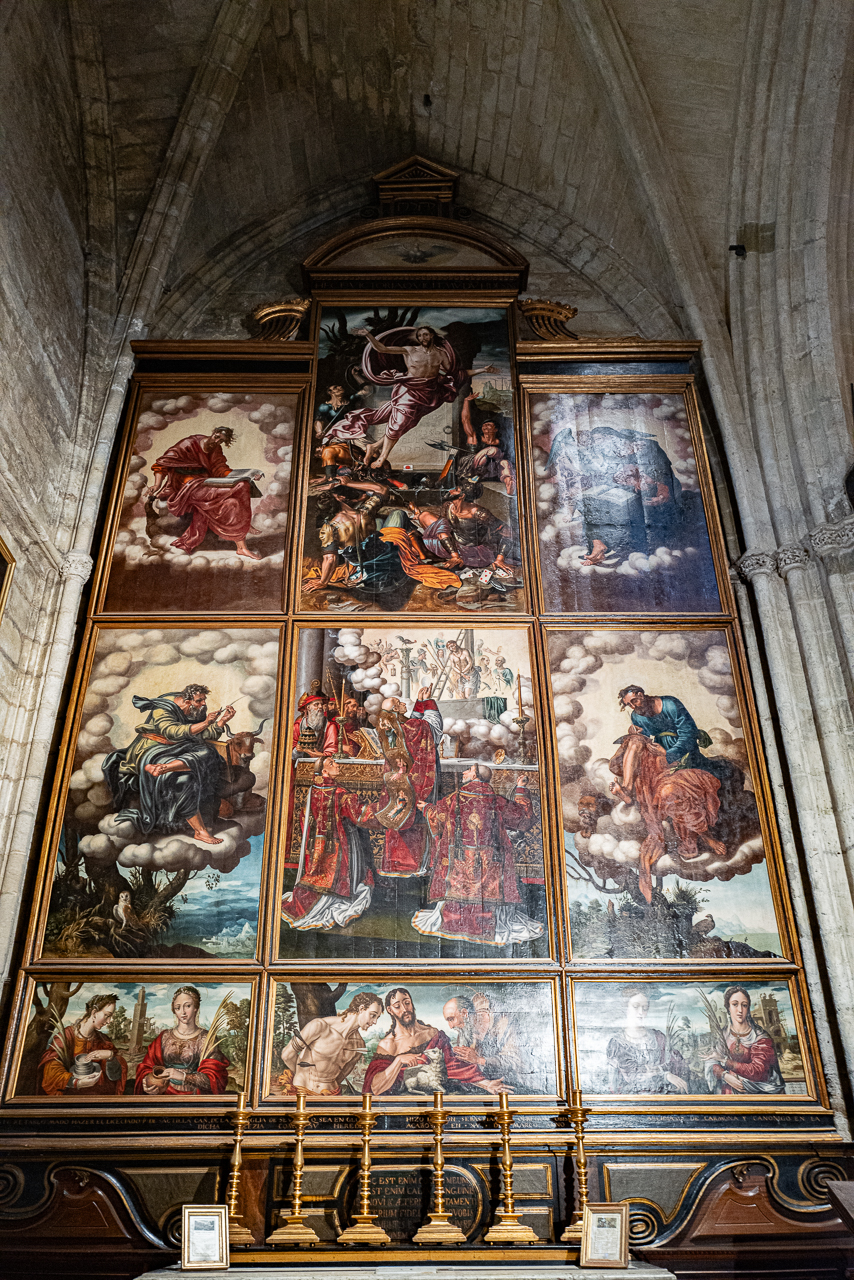
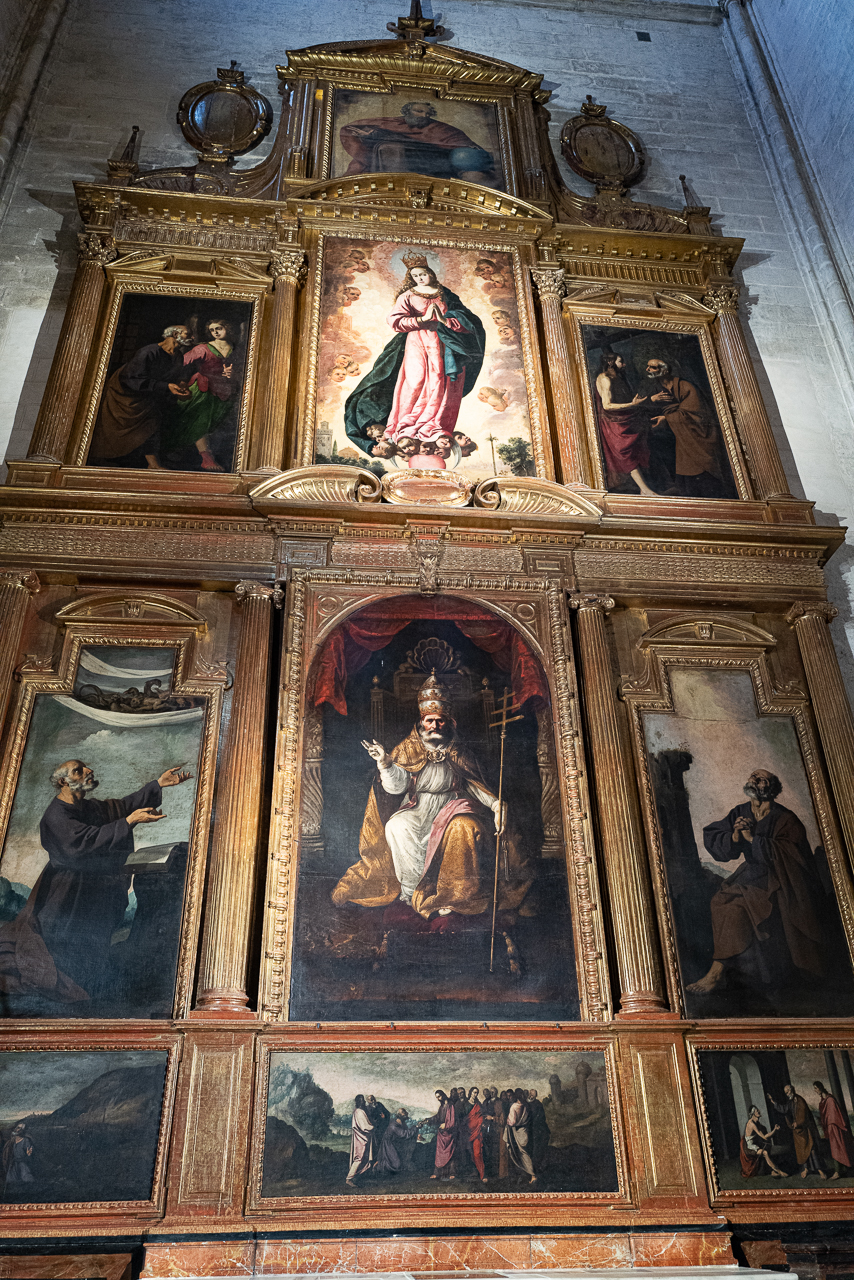
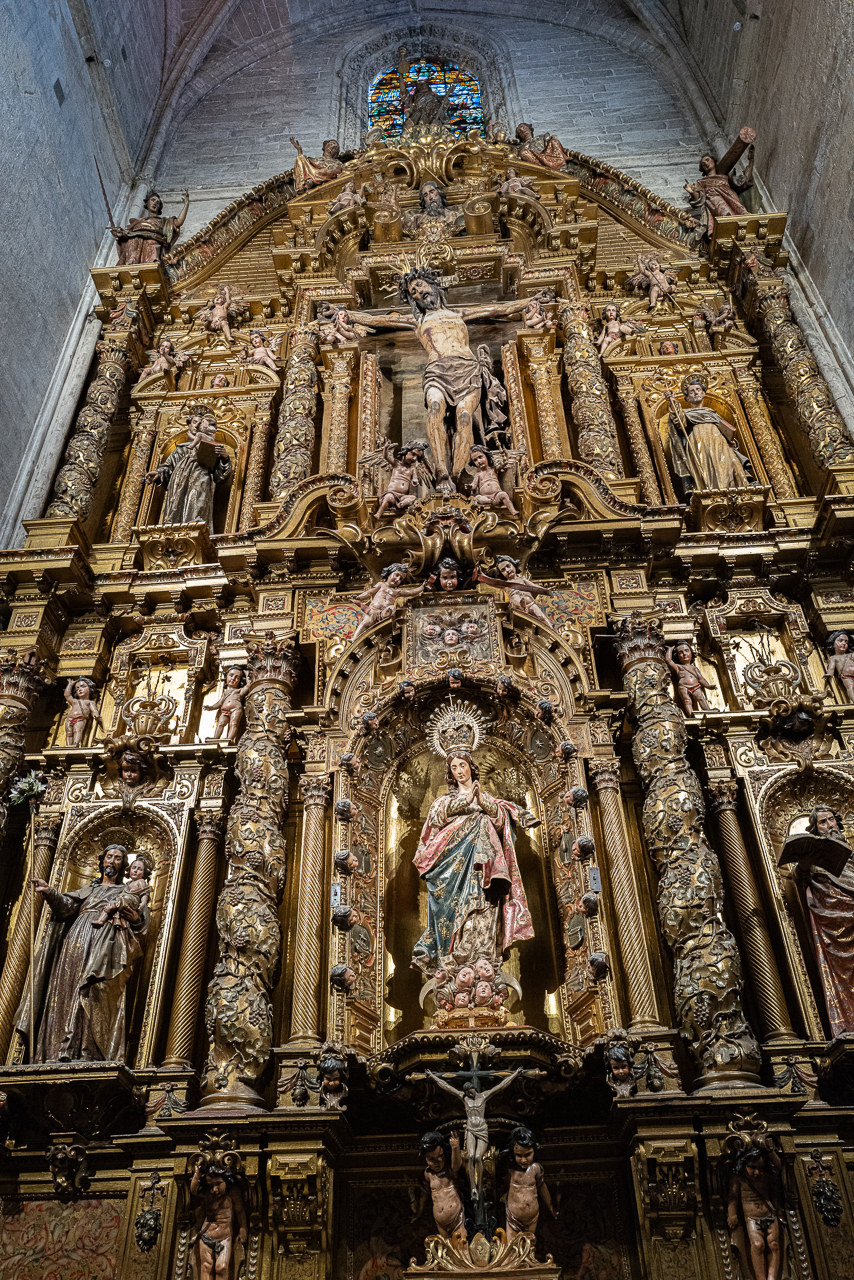
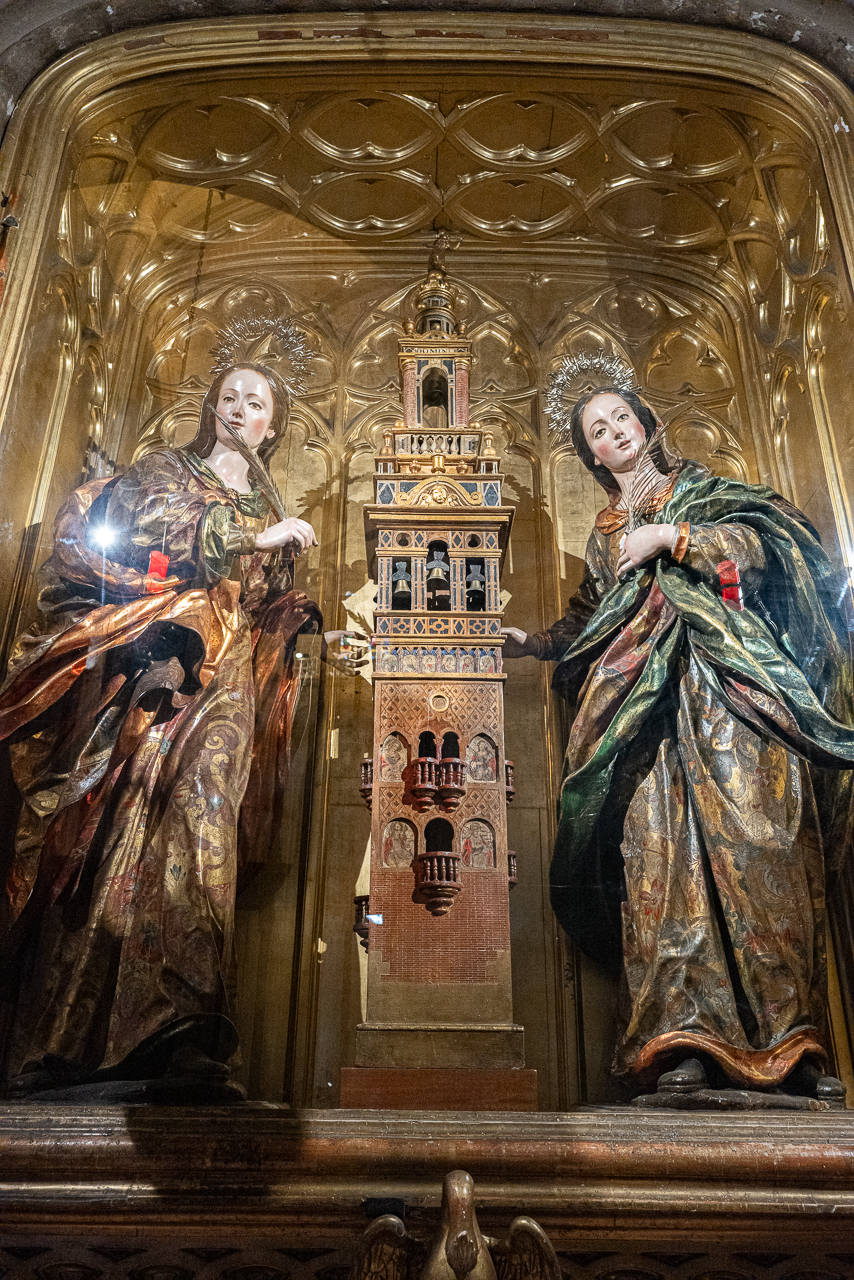
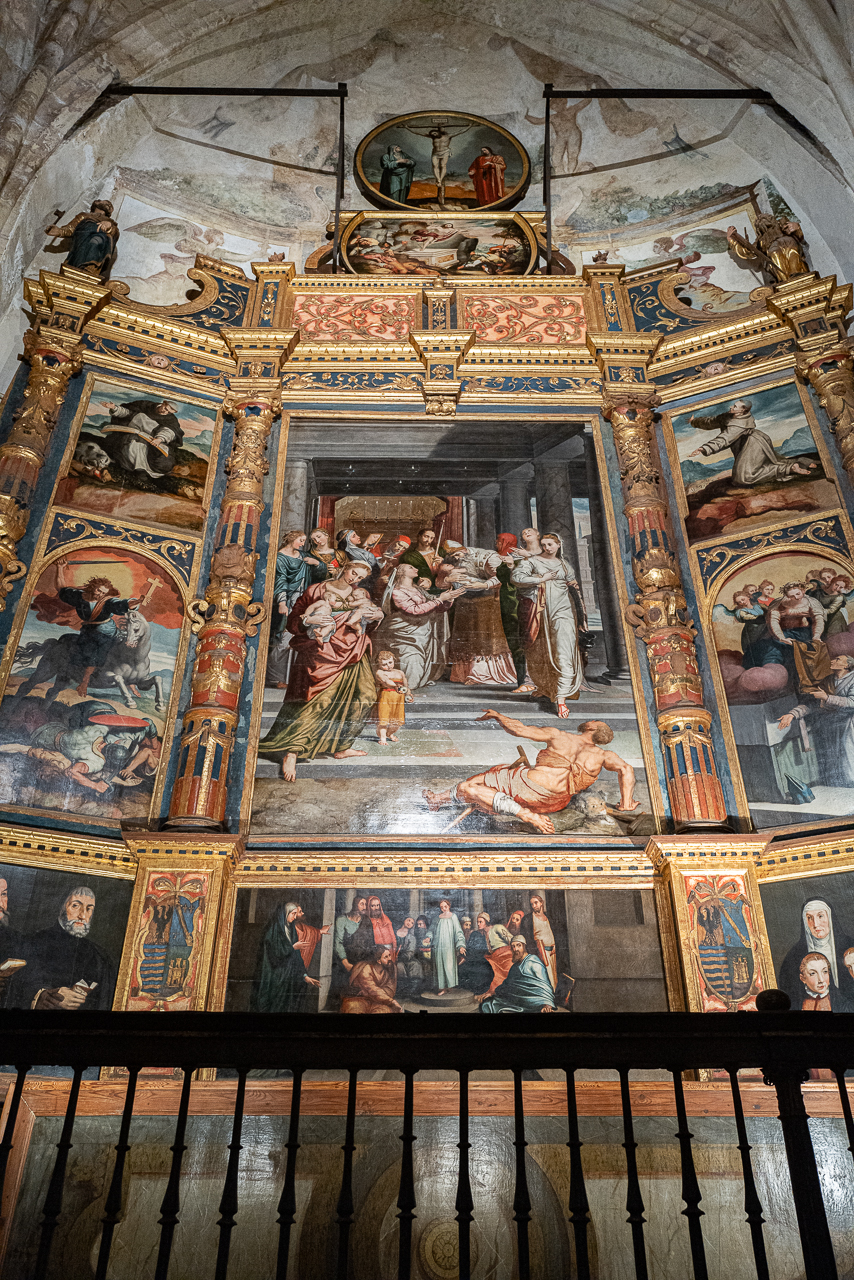
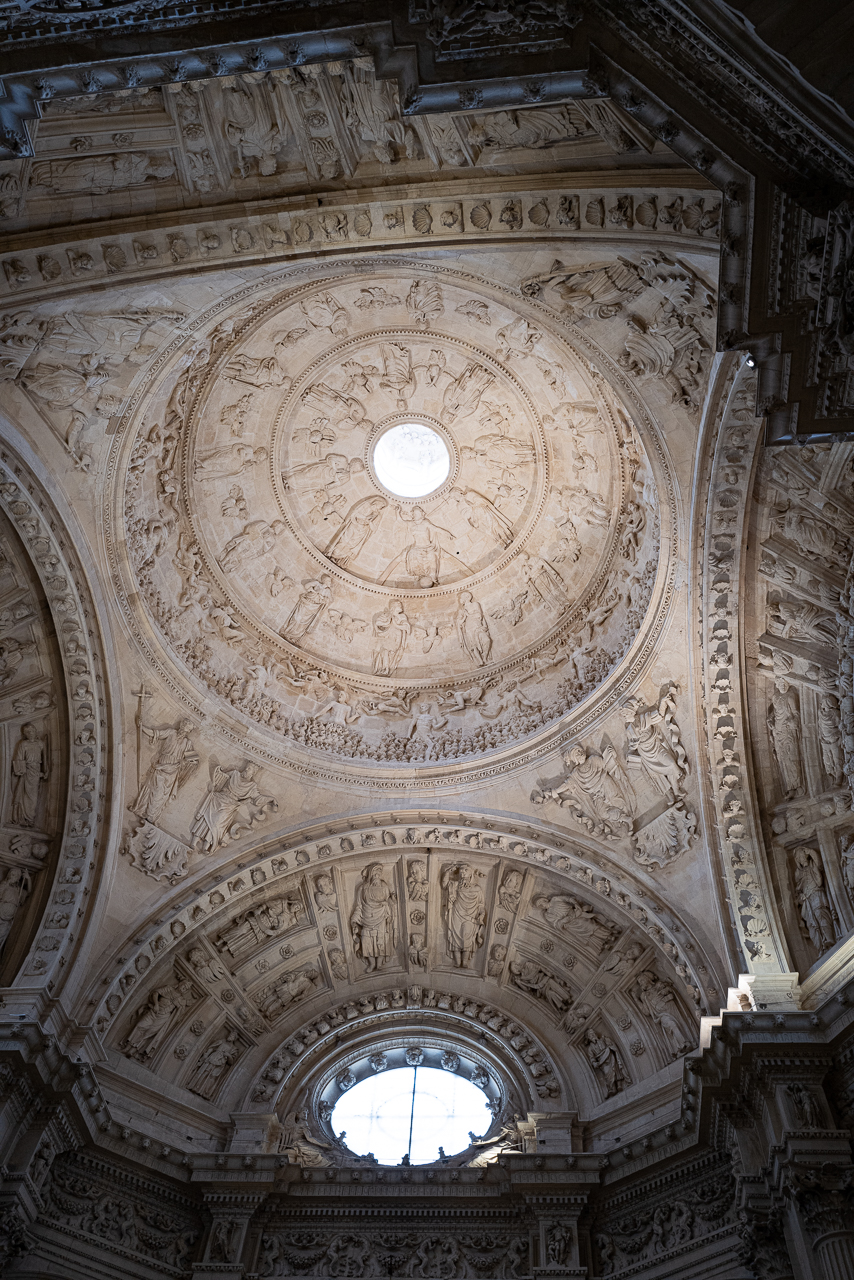
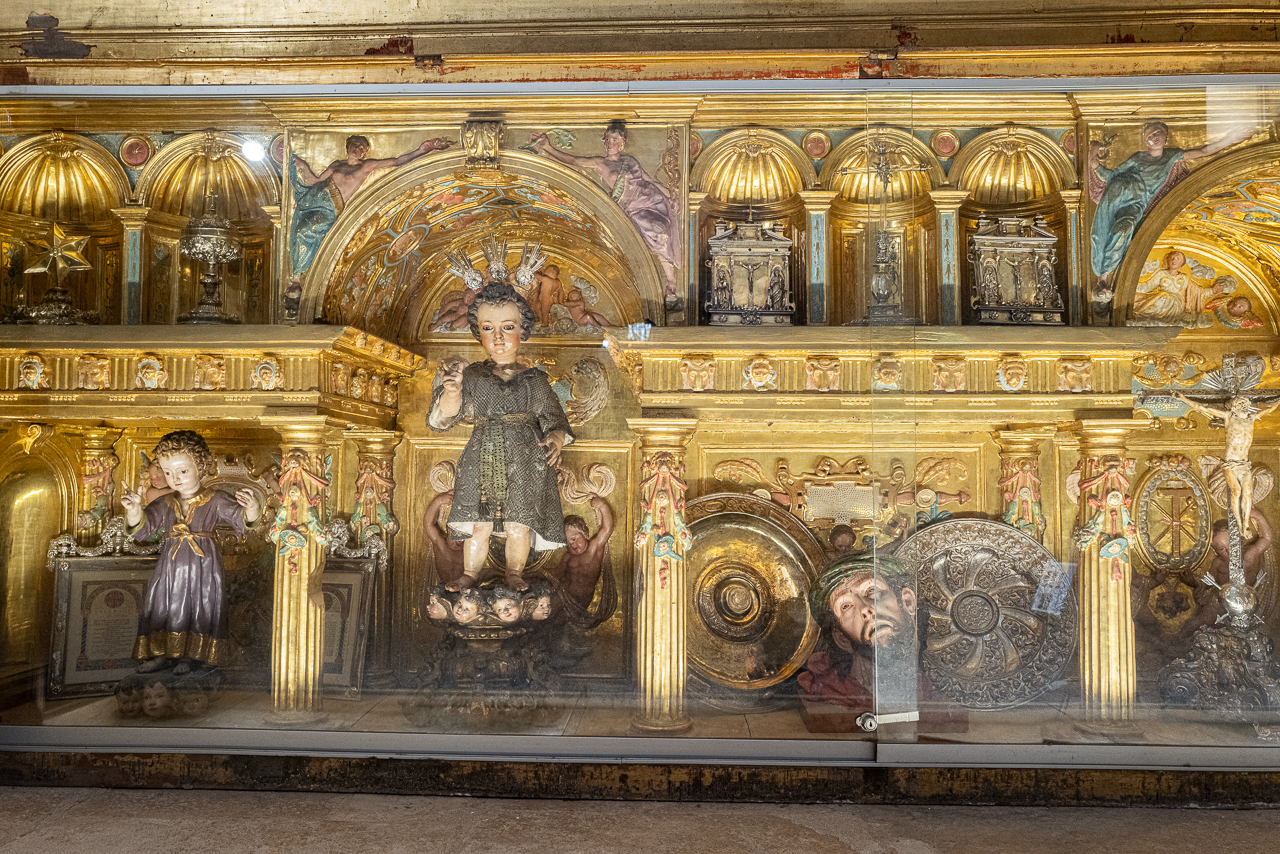
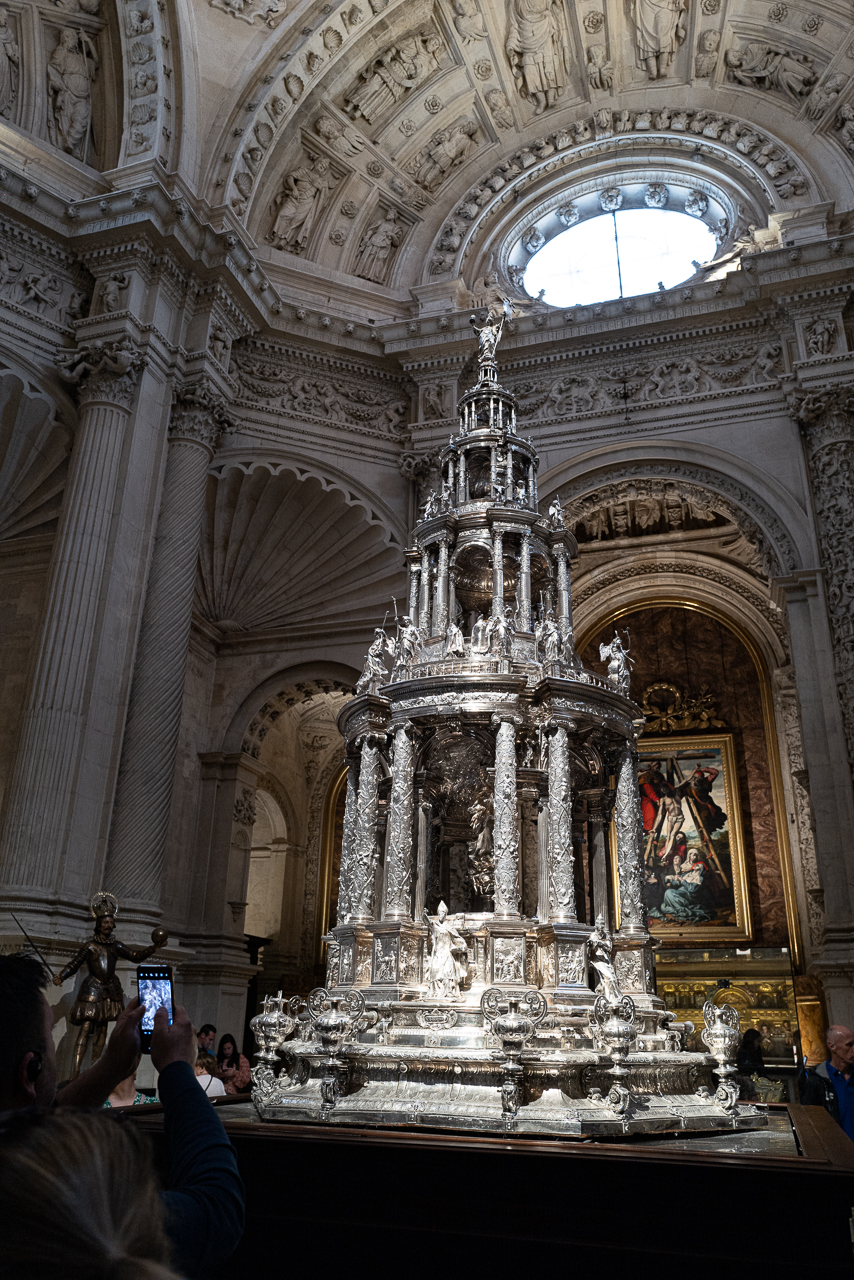
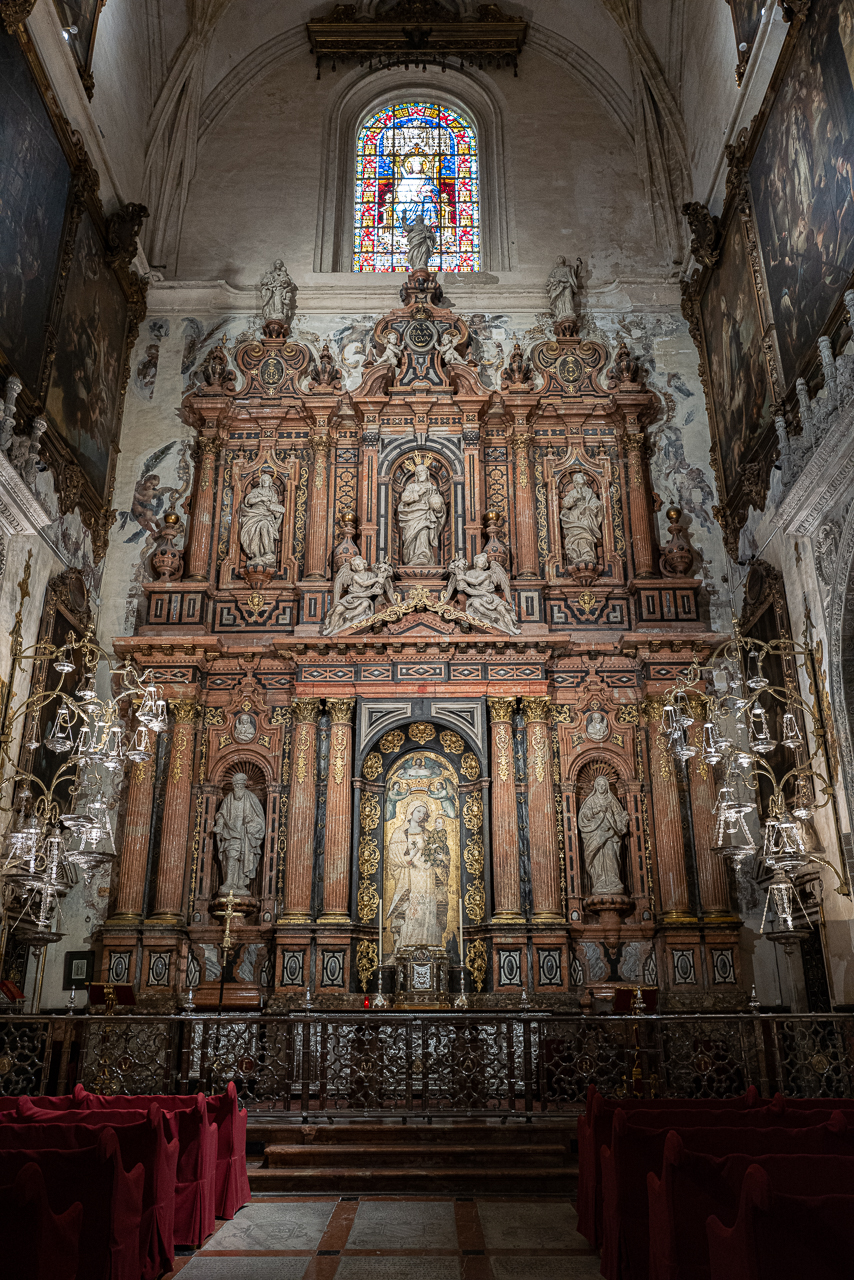
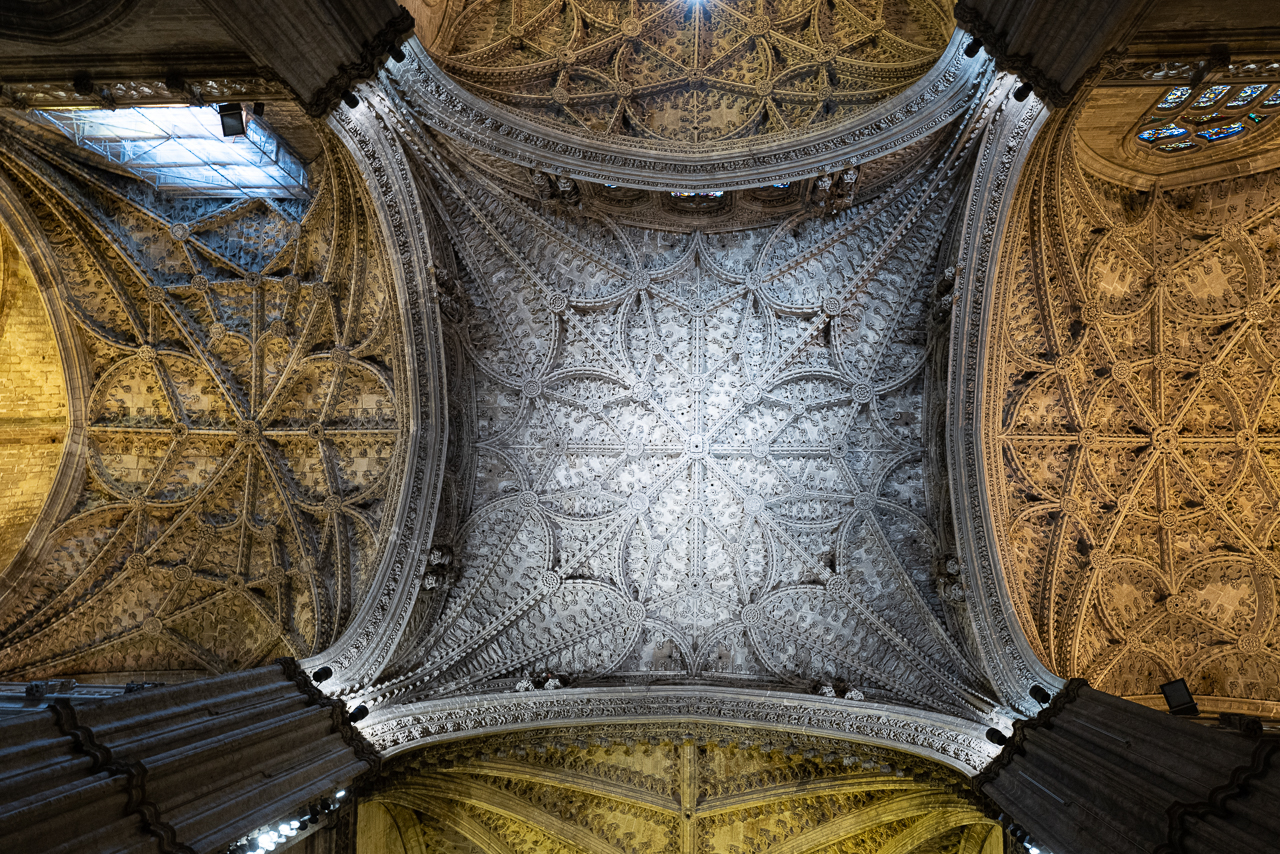
The Church in Photos.
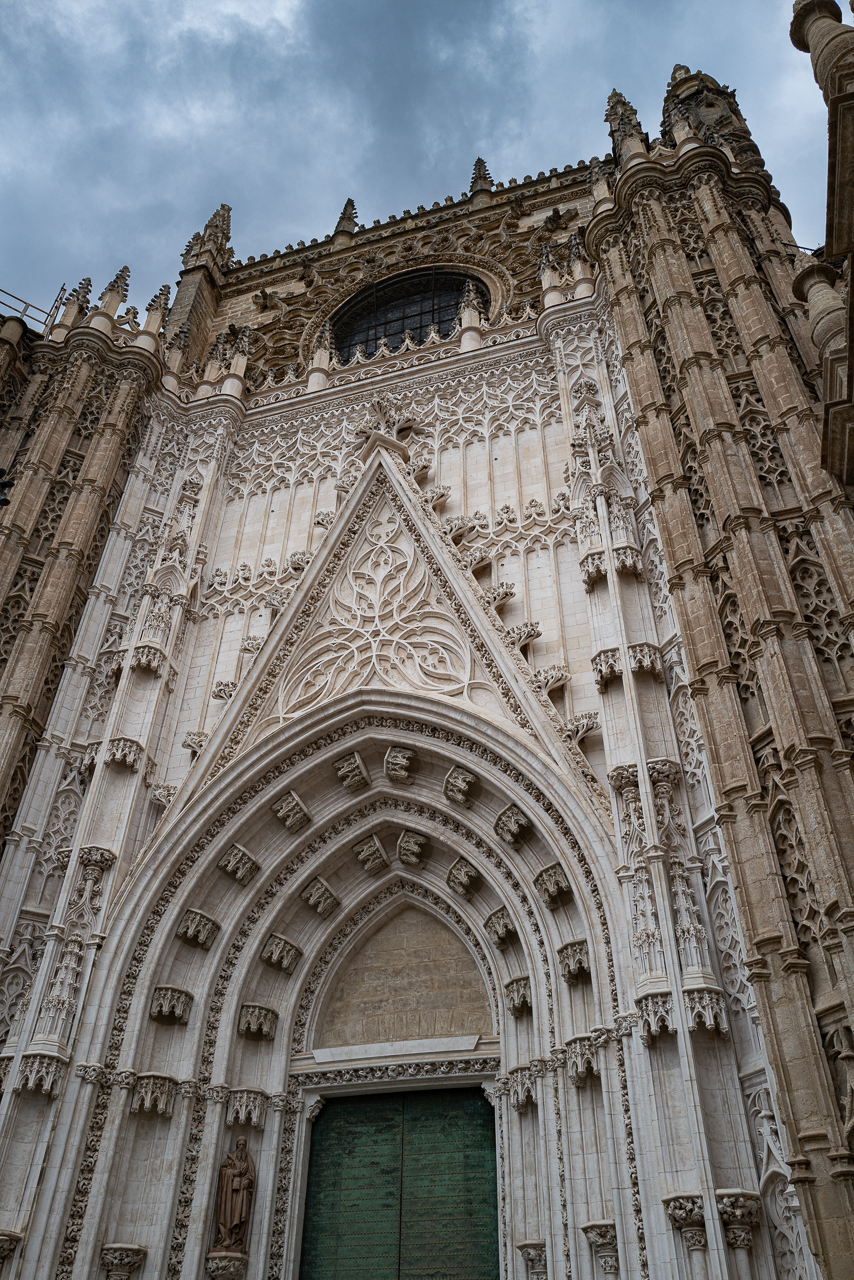
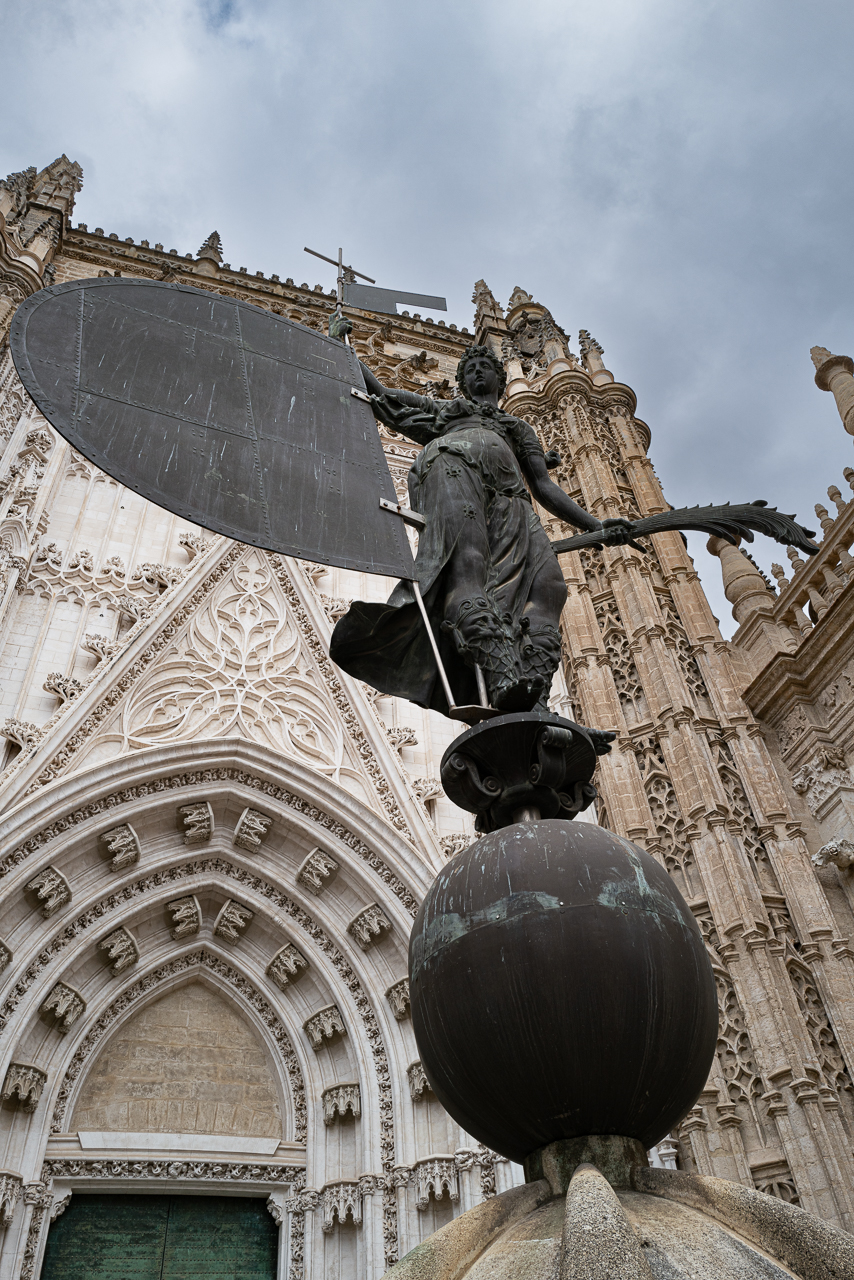
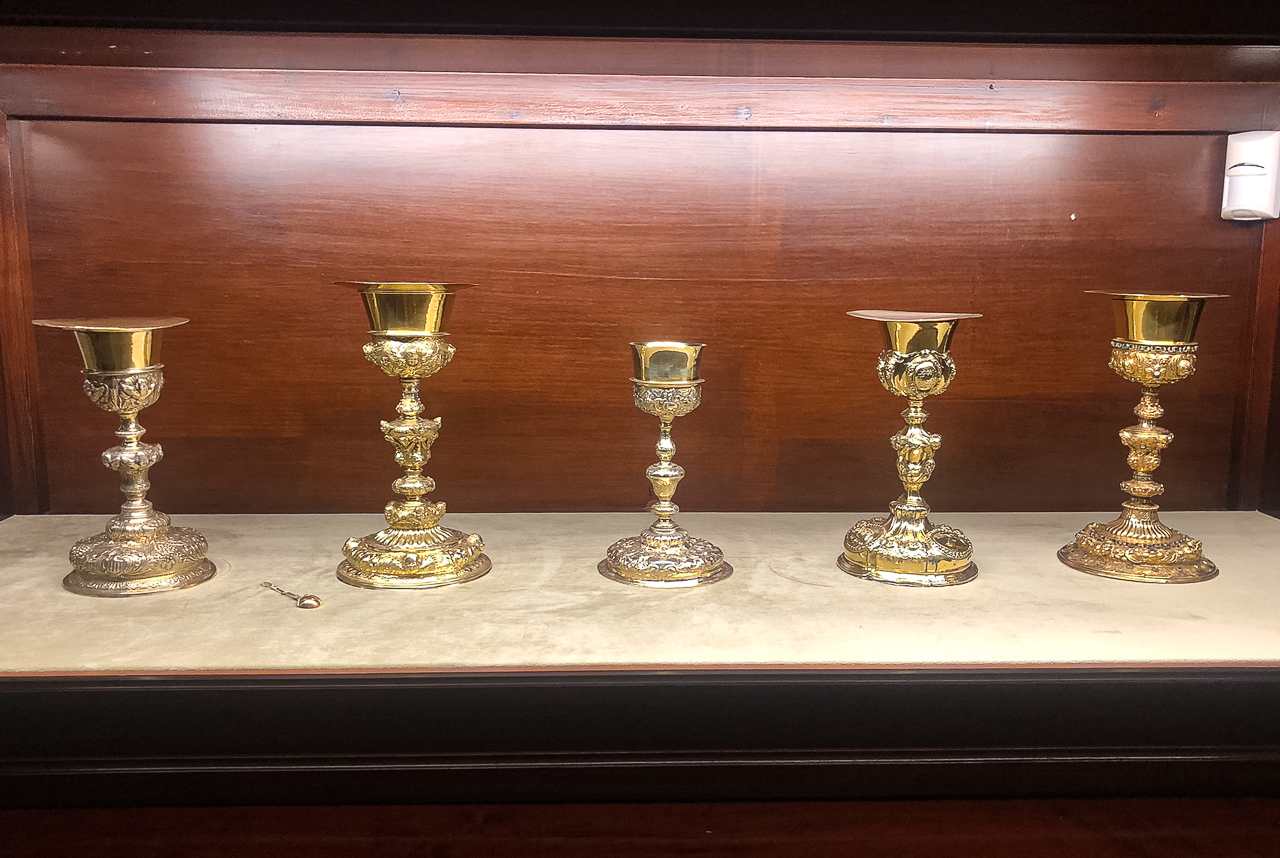
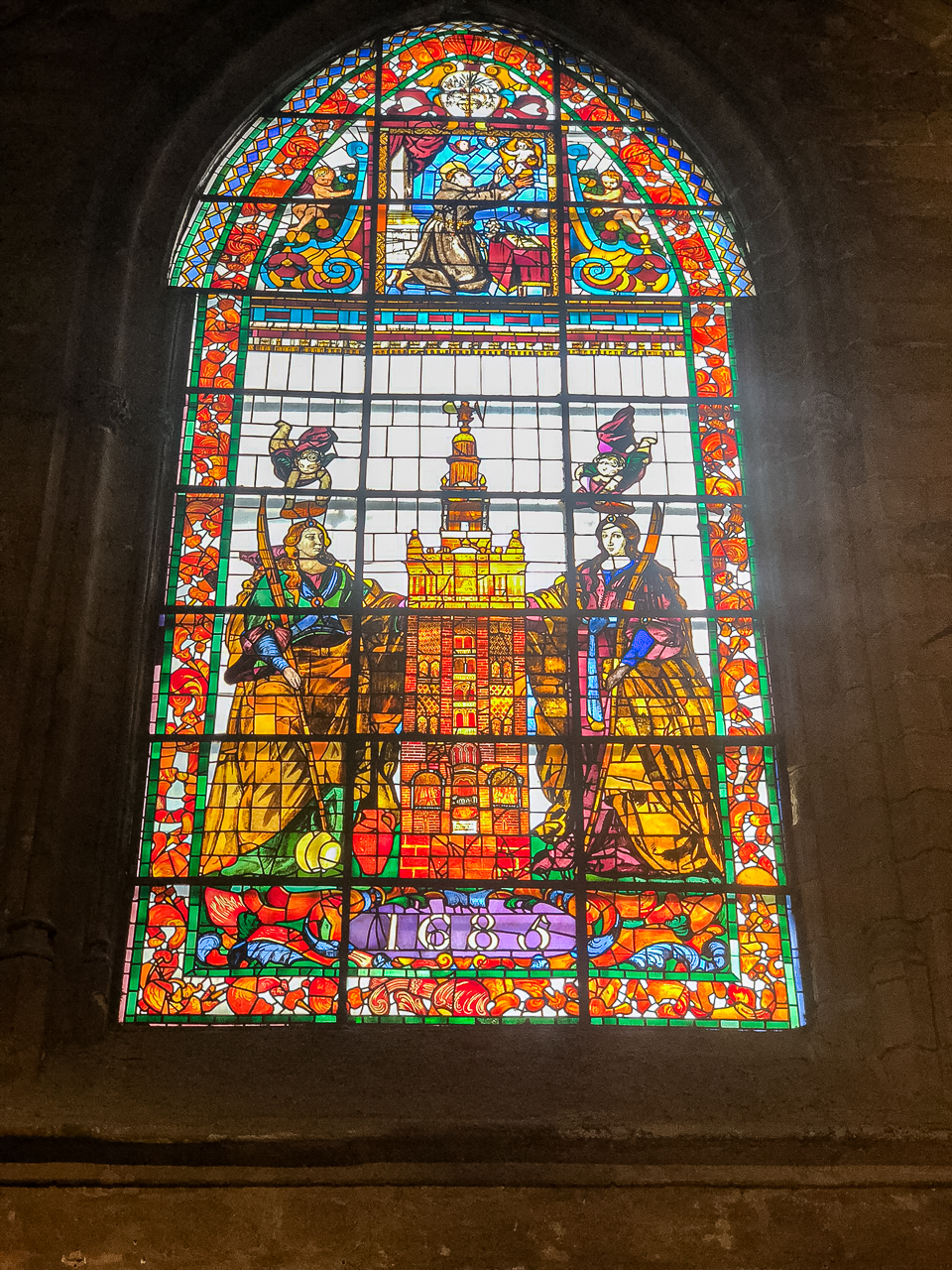
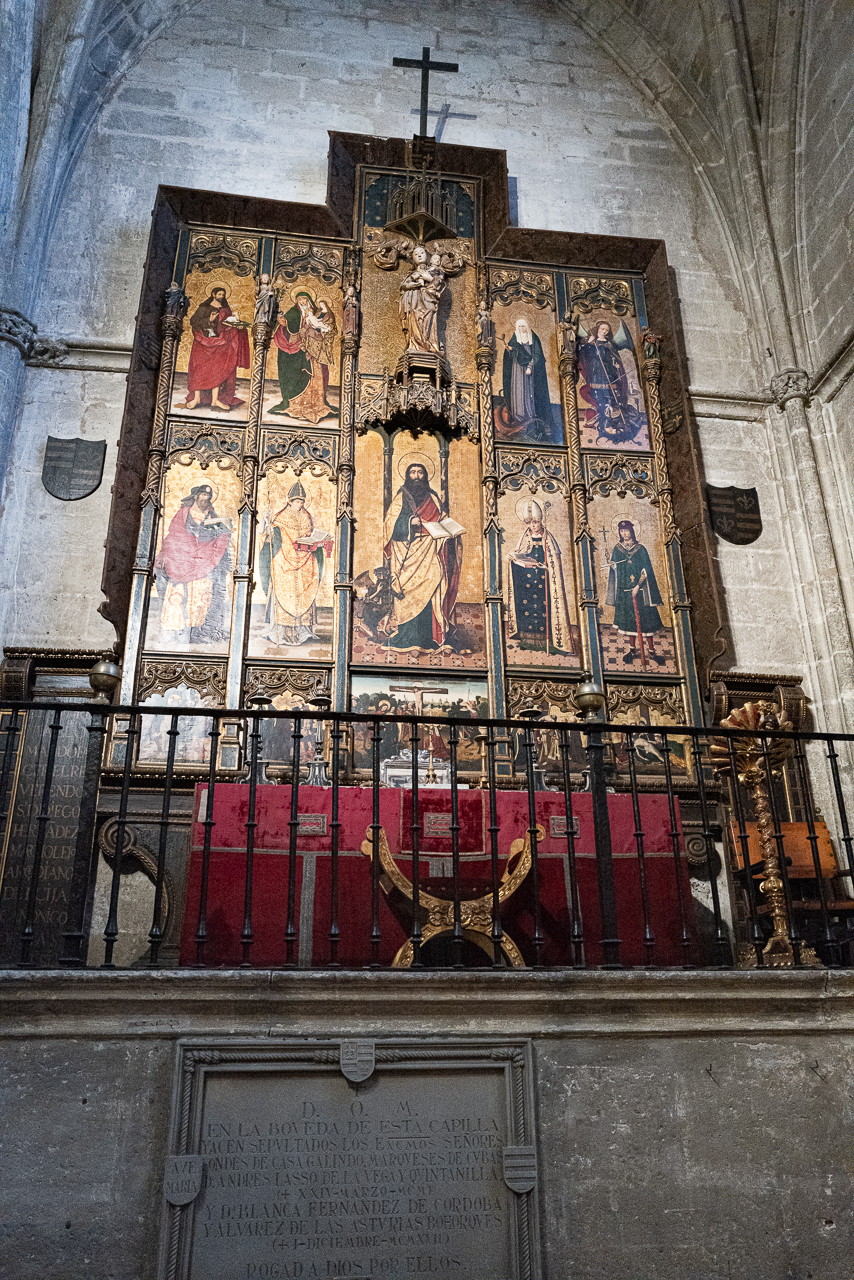
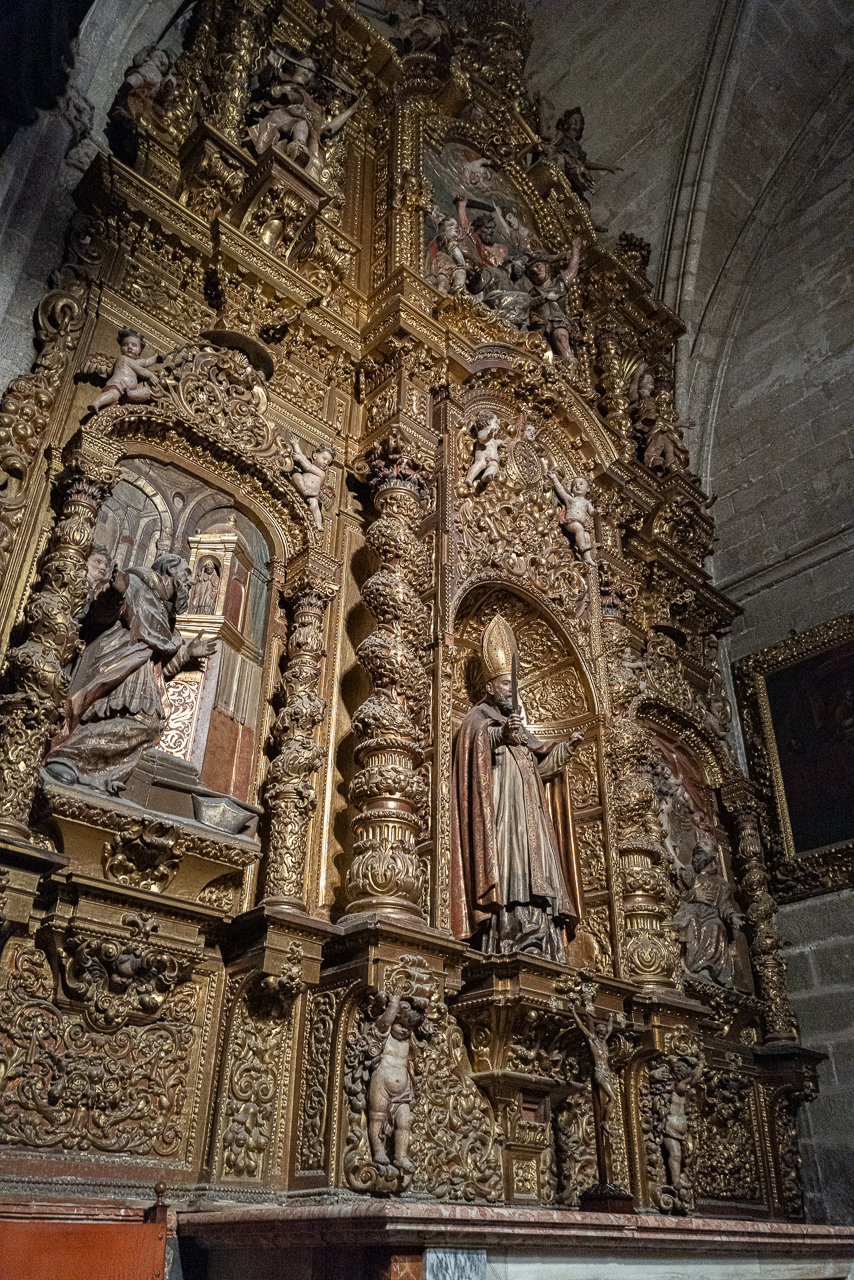
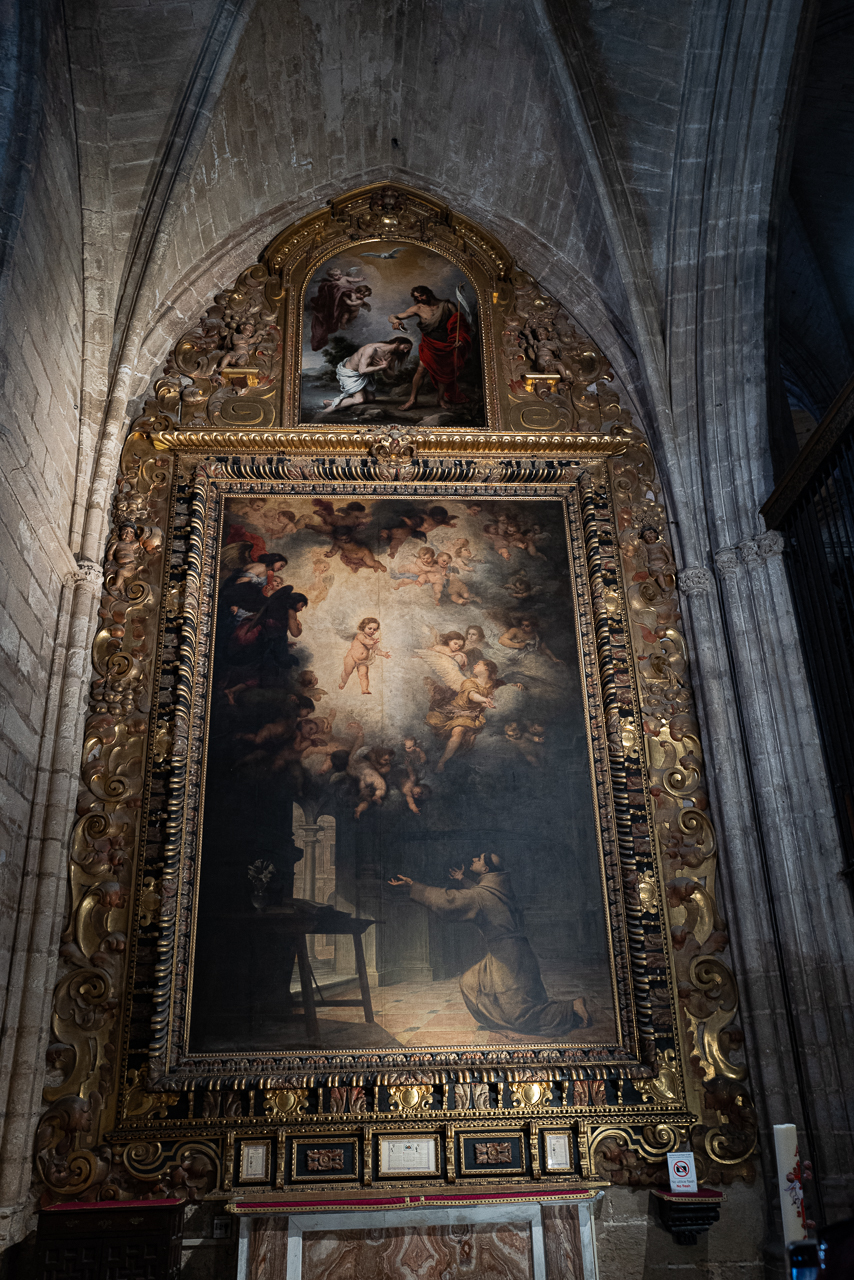
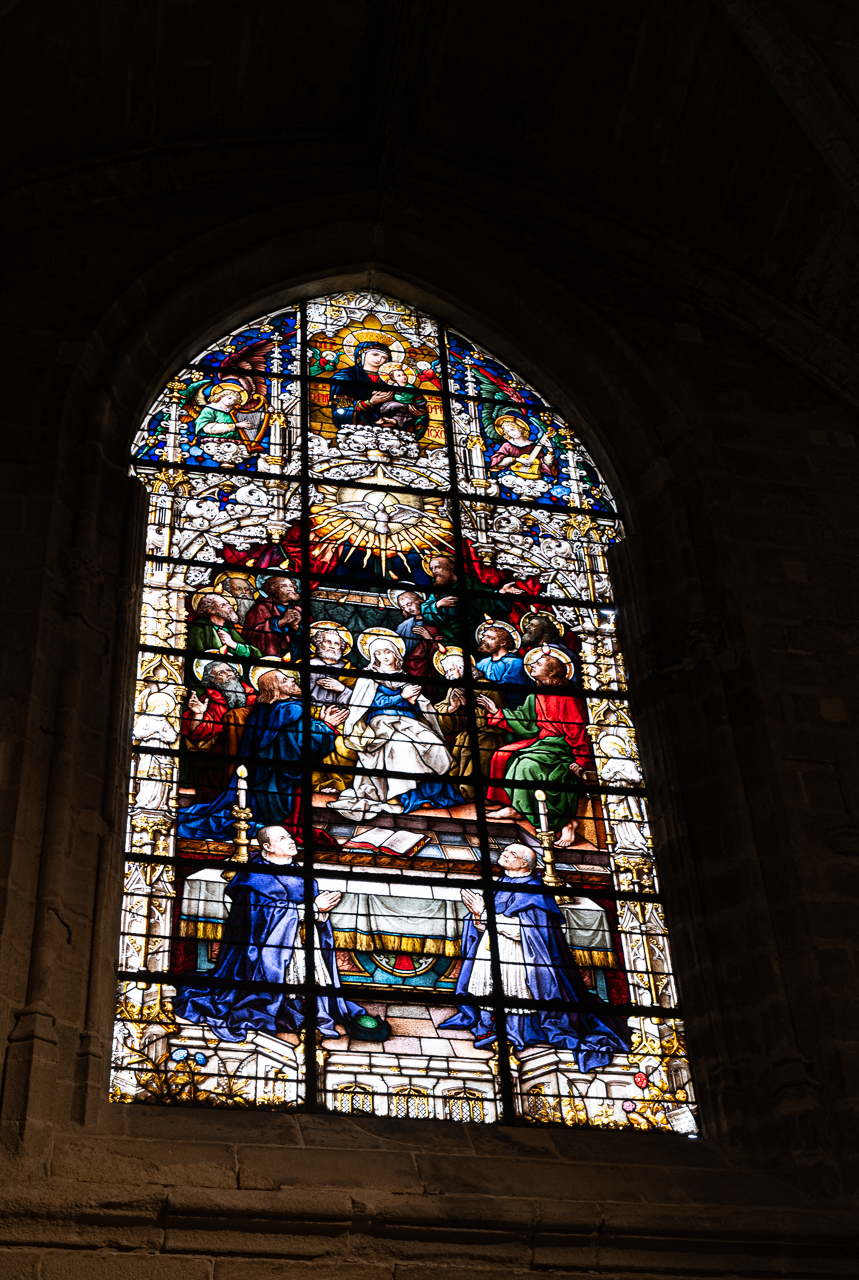
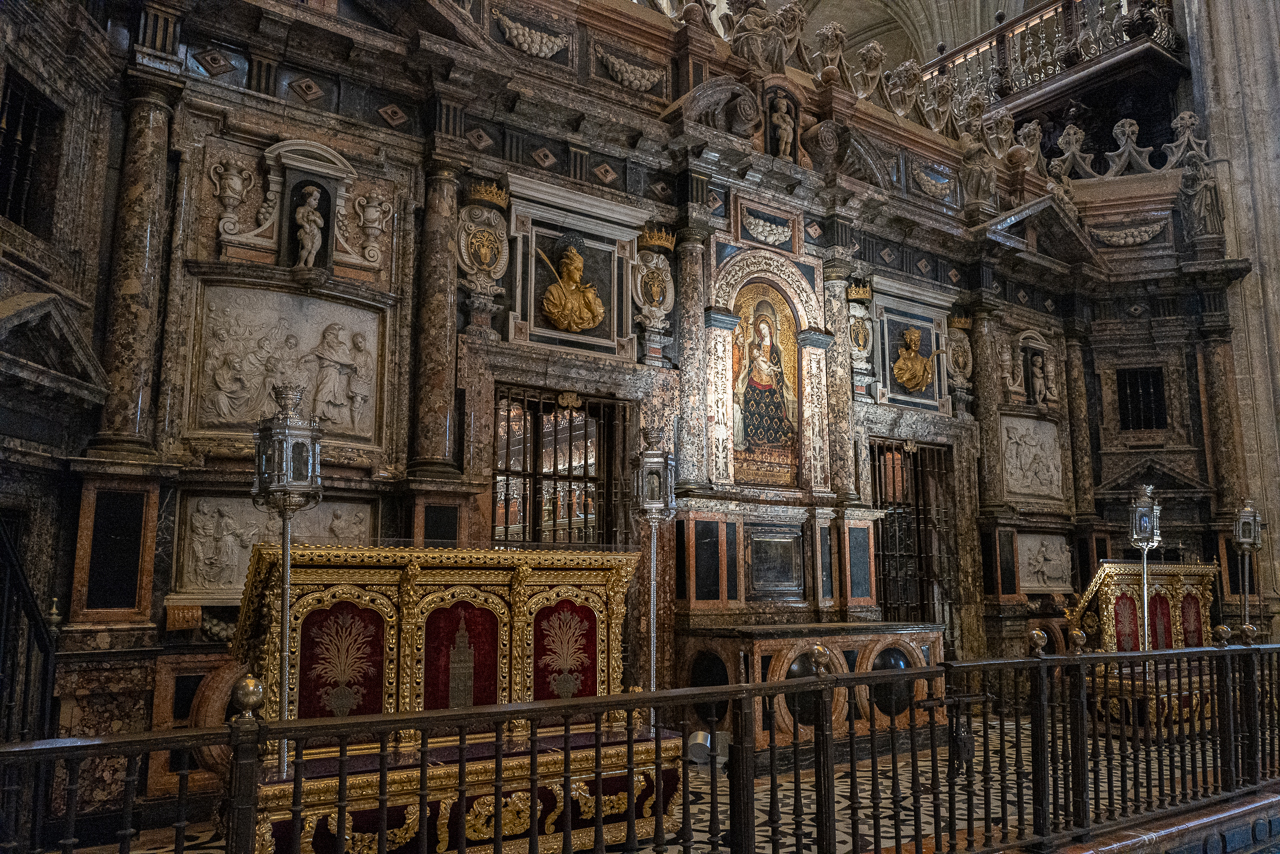
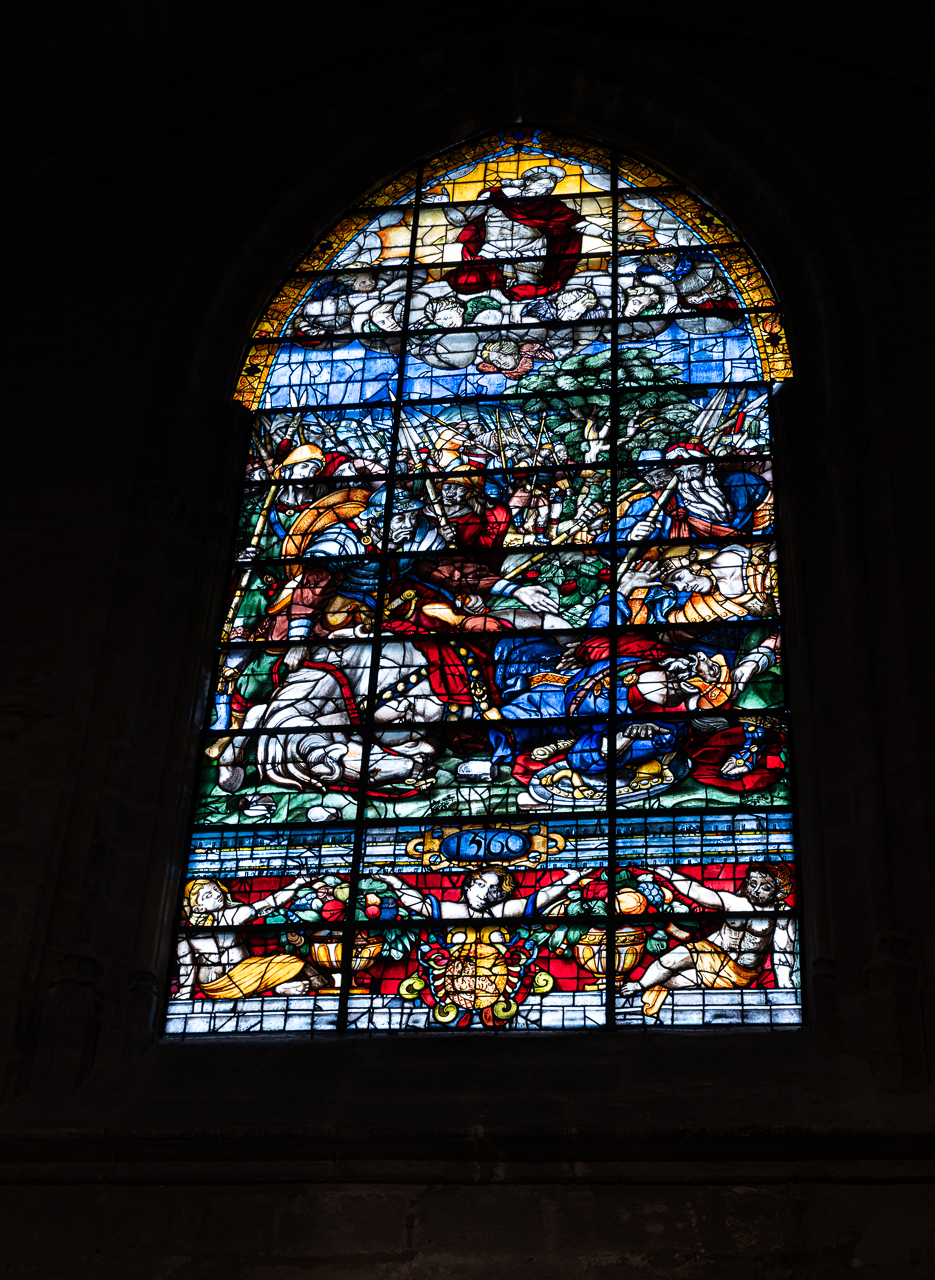
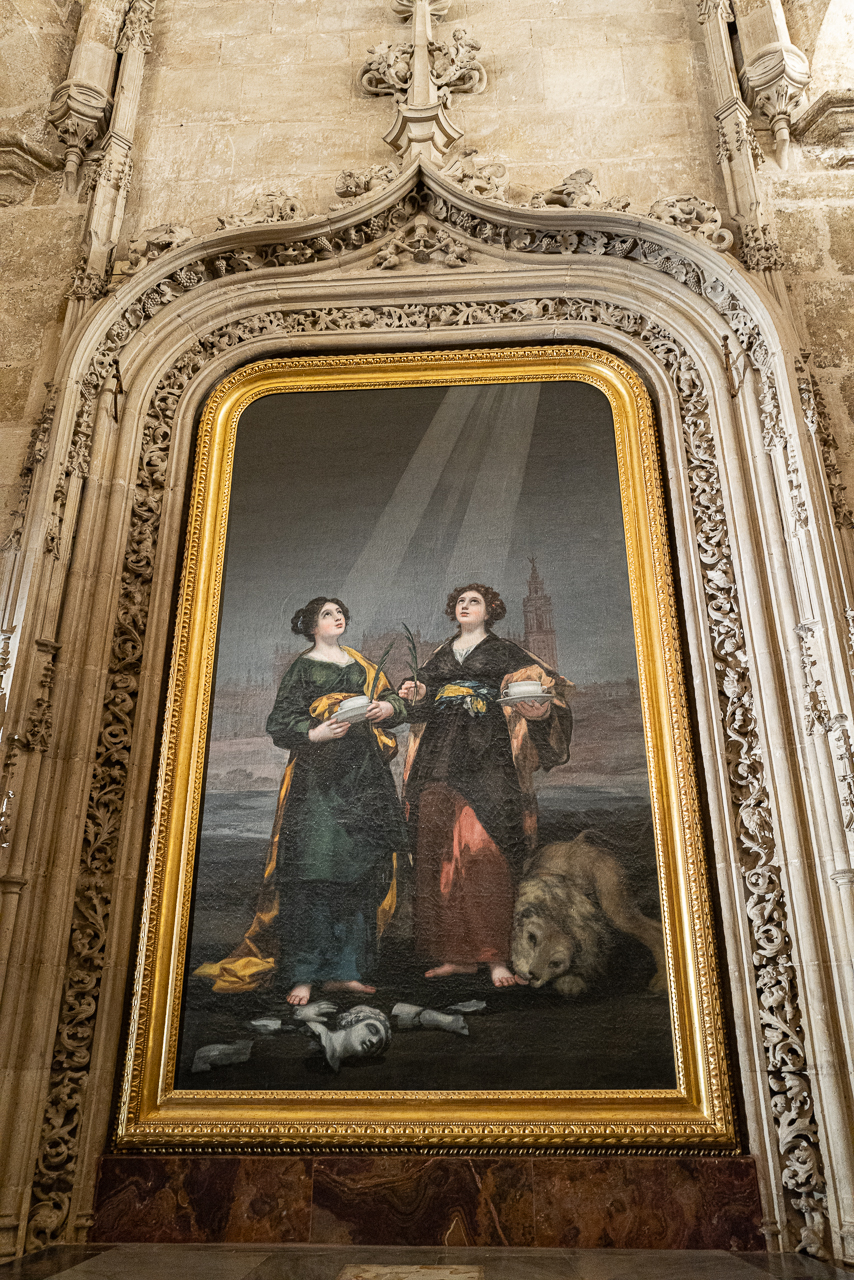
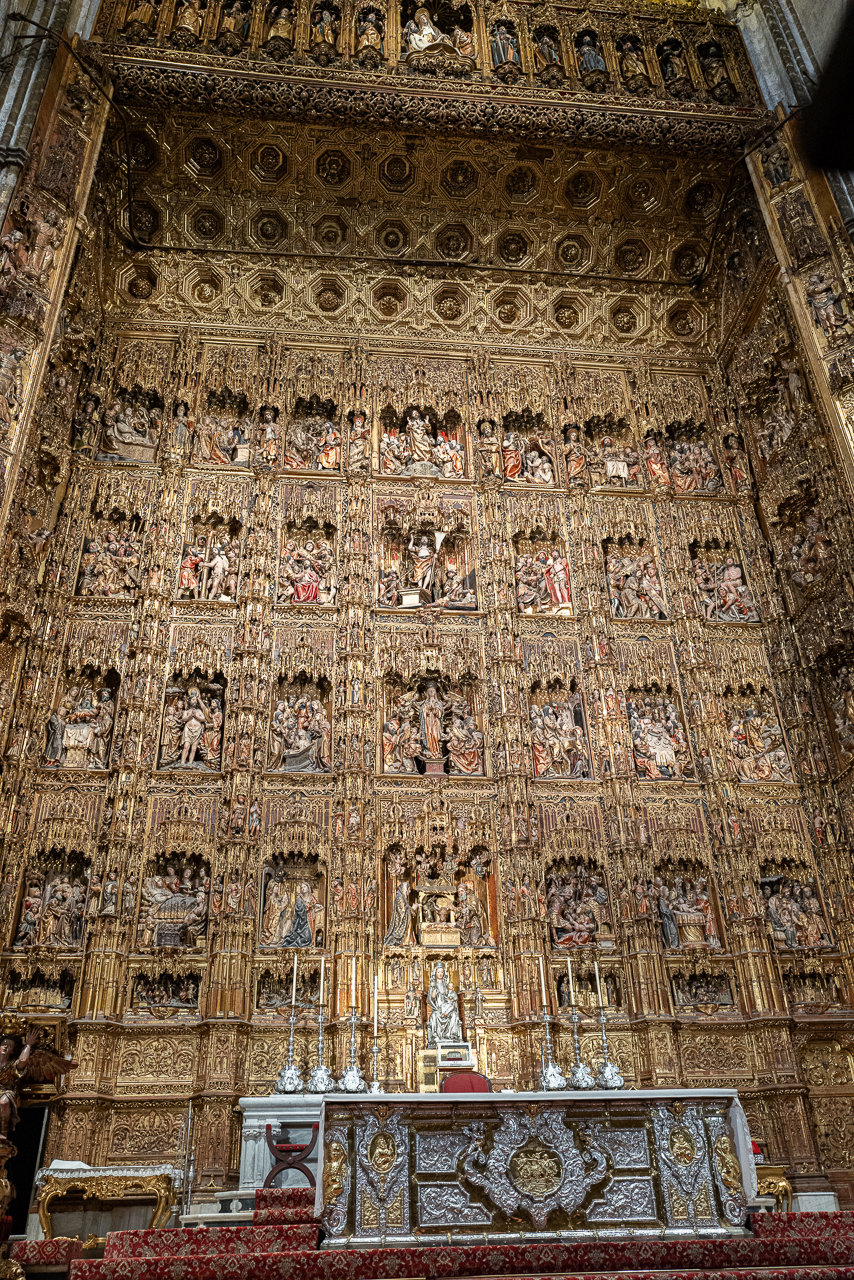
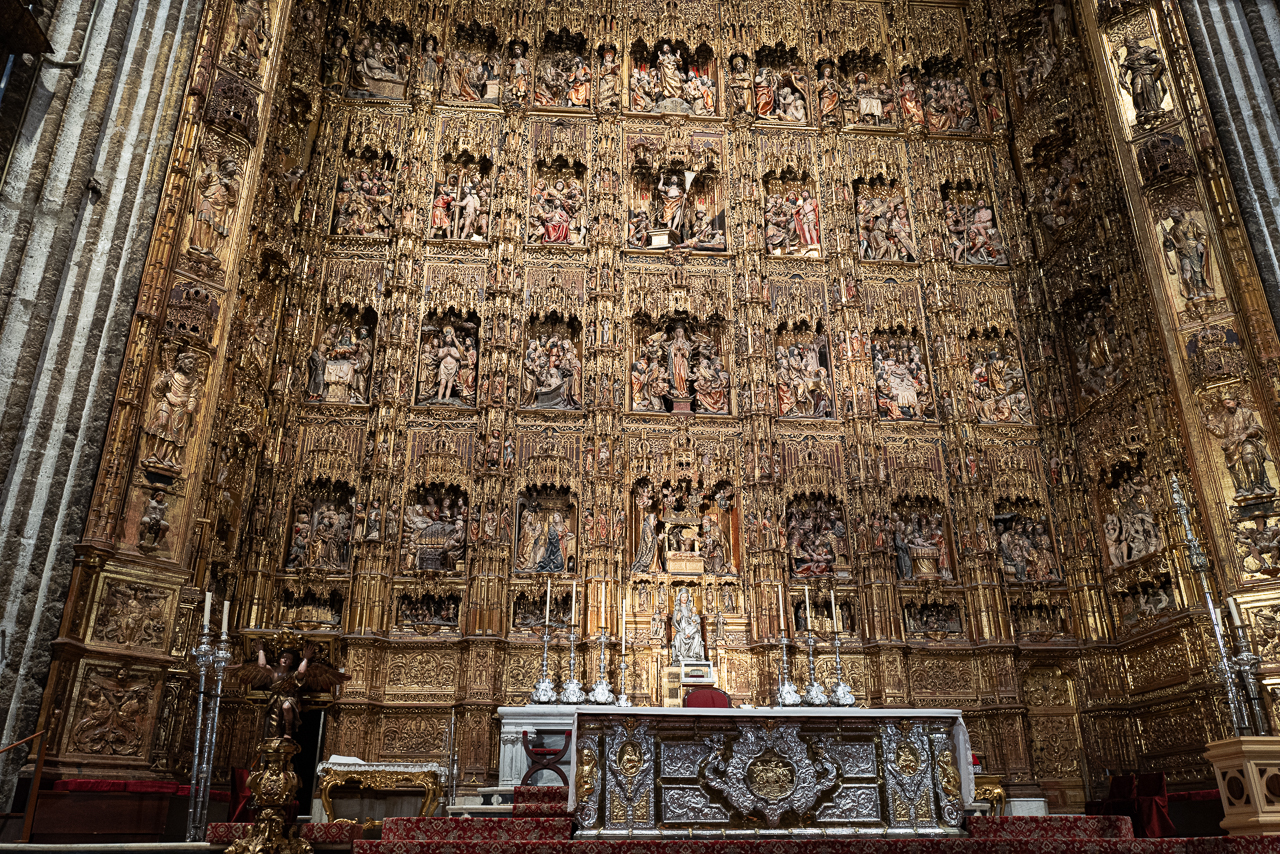
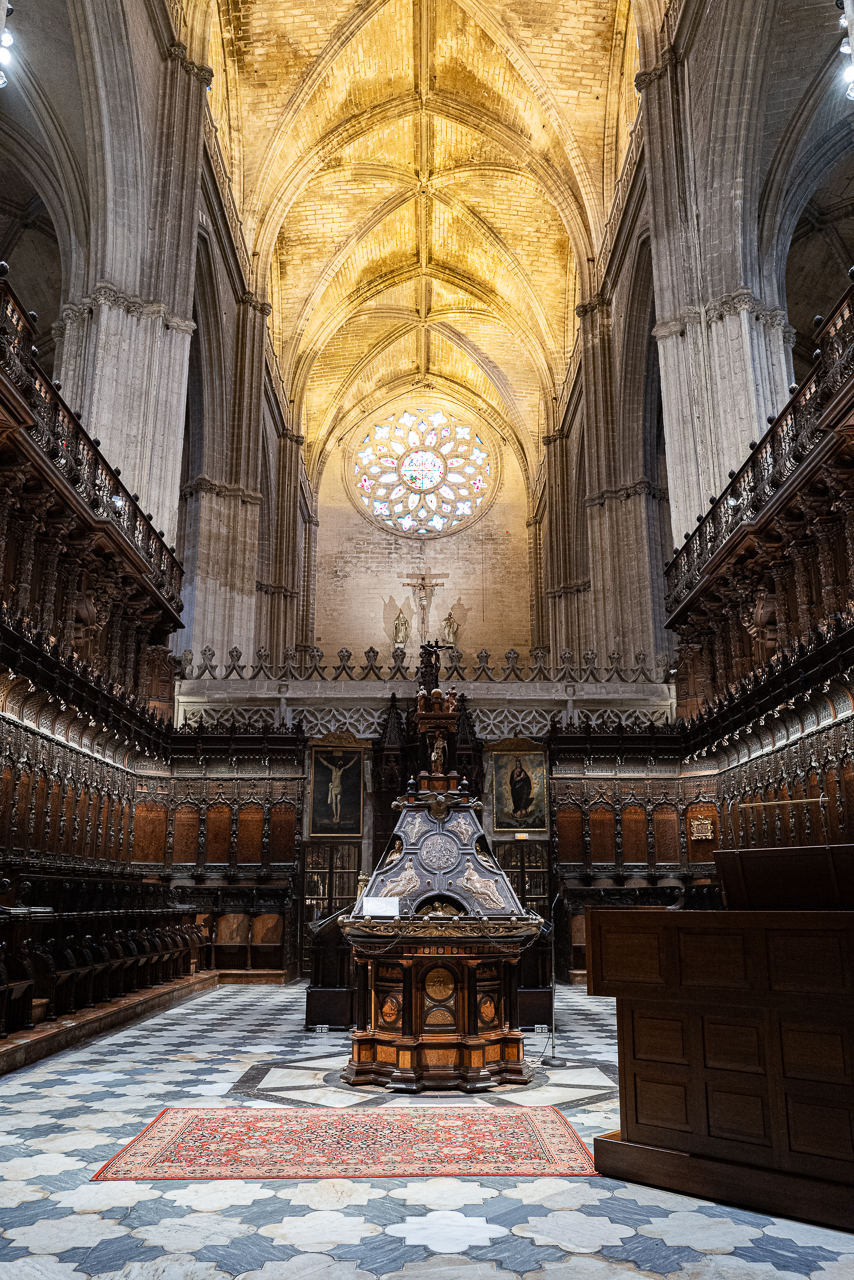
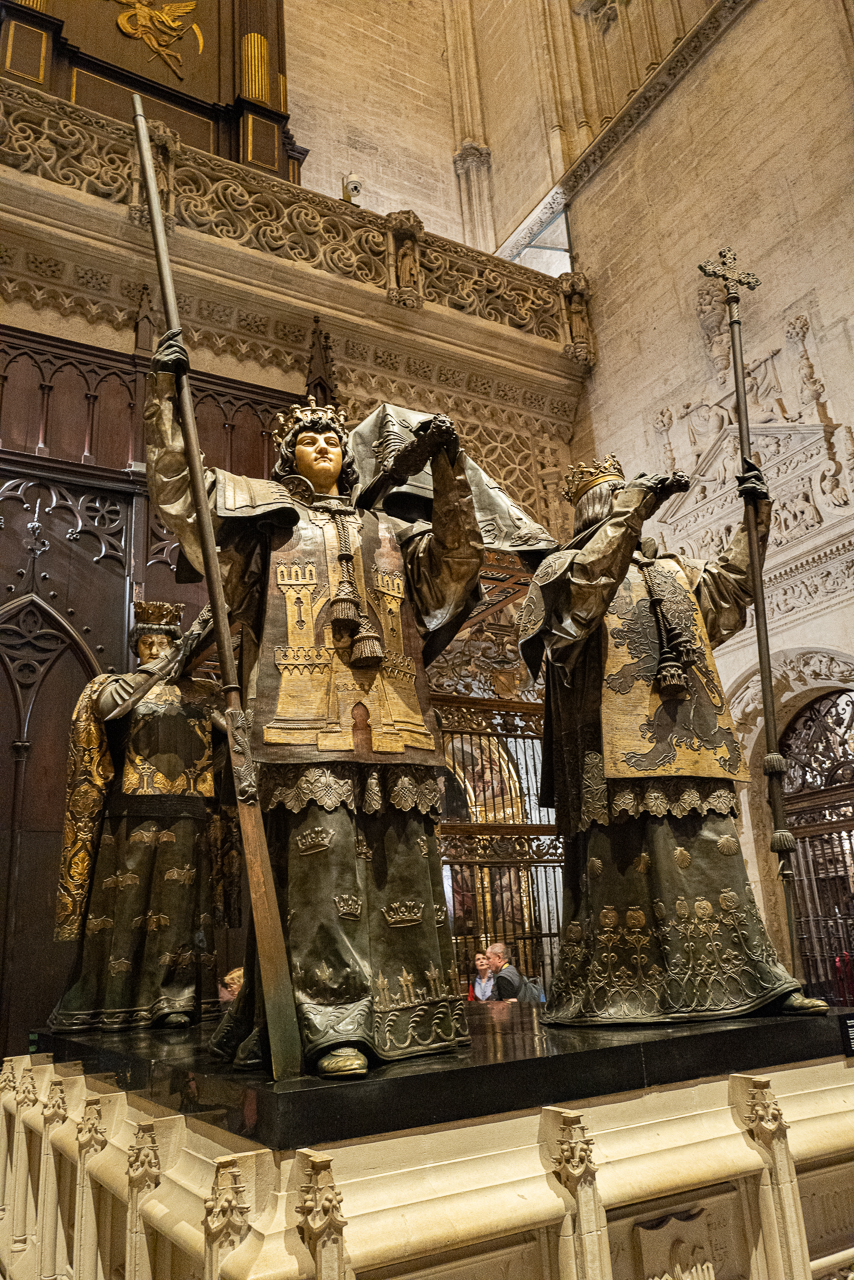
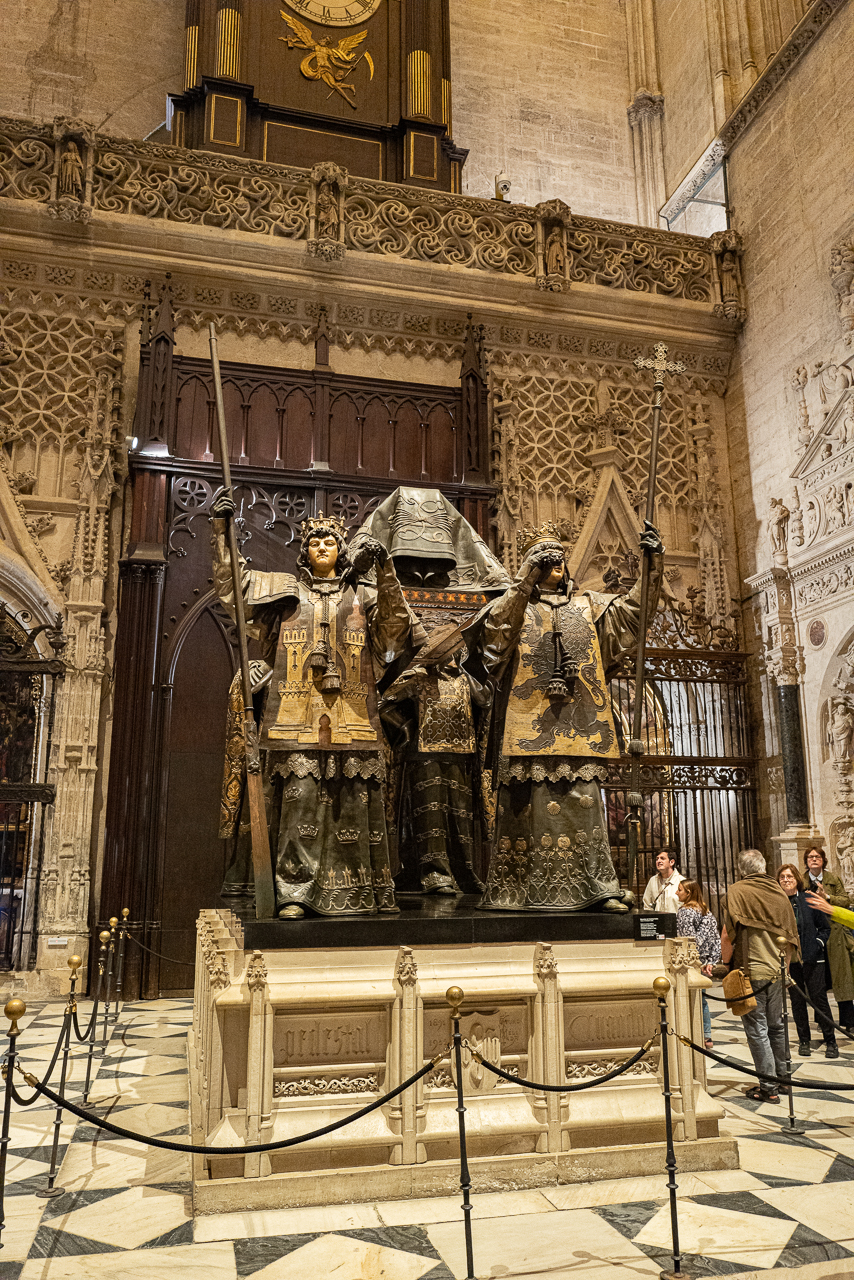
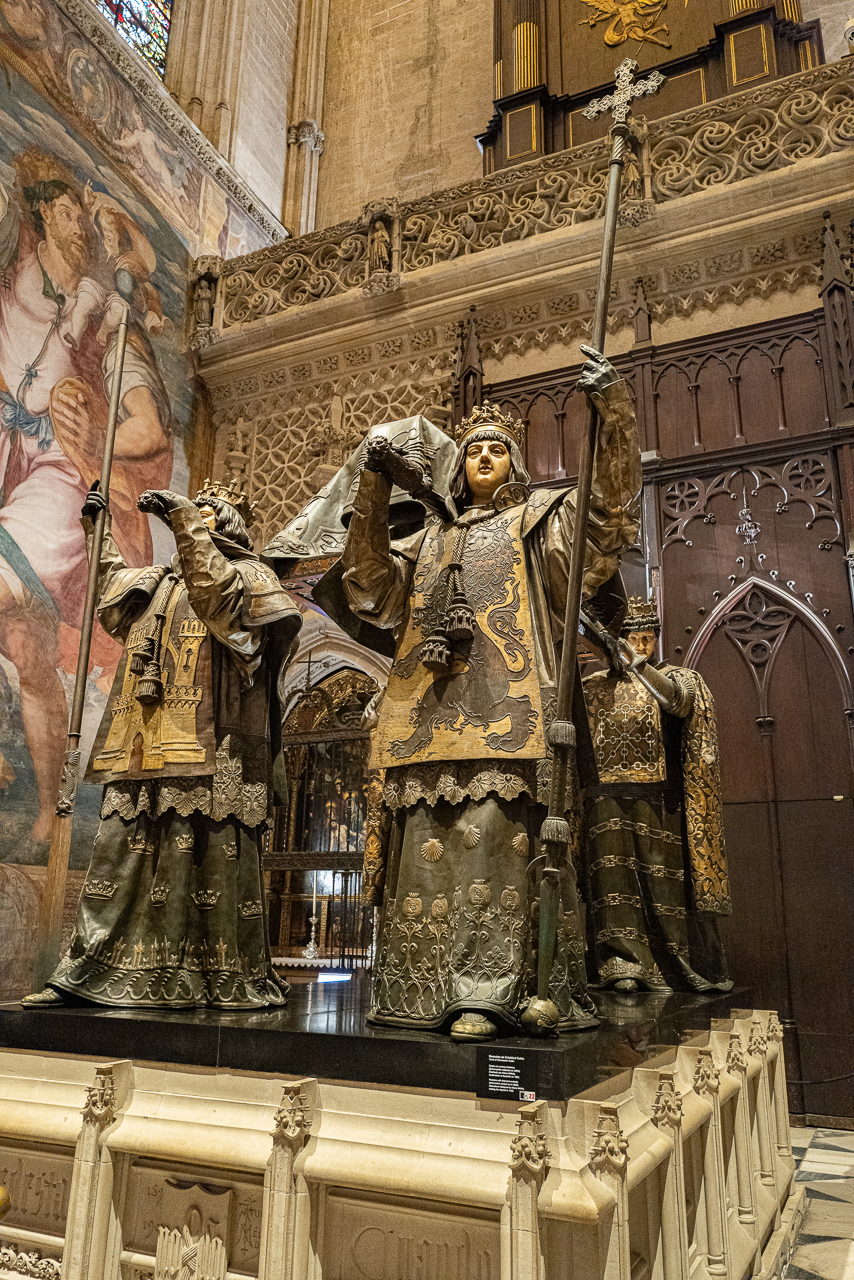
The Tomb of Columbus.
He sailed from here and stumbled upon the Americas. After a nefarious career, he came back in chains only to have his reputation repaired in death.
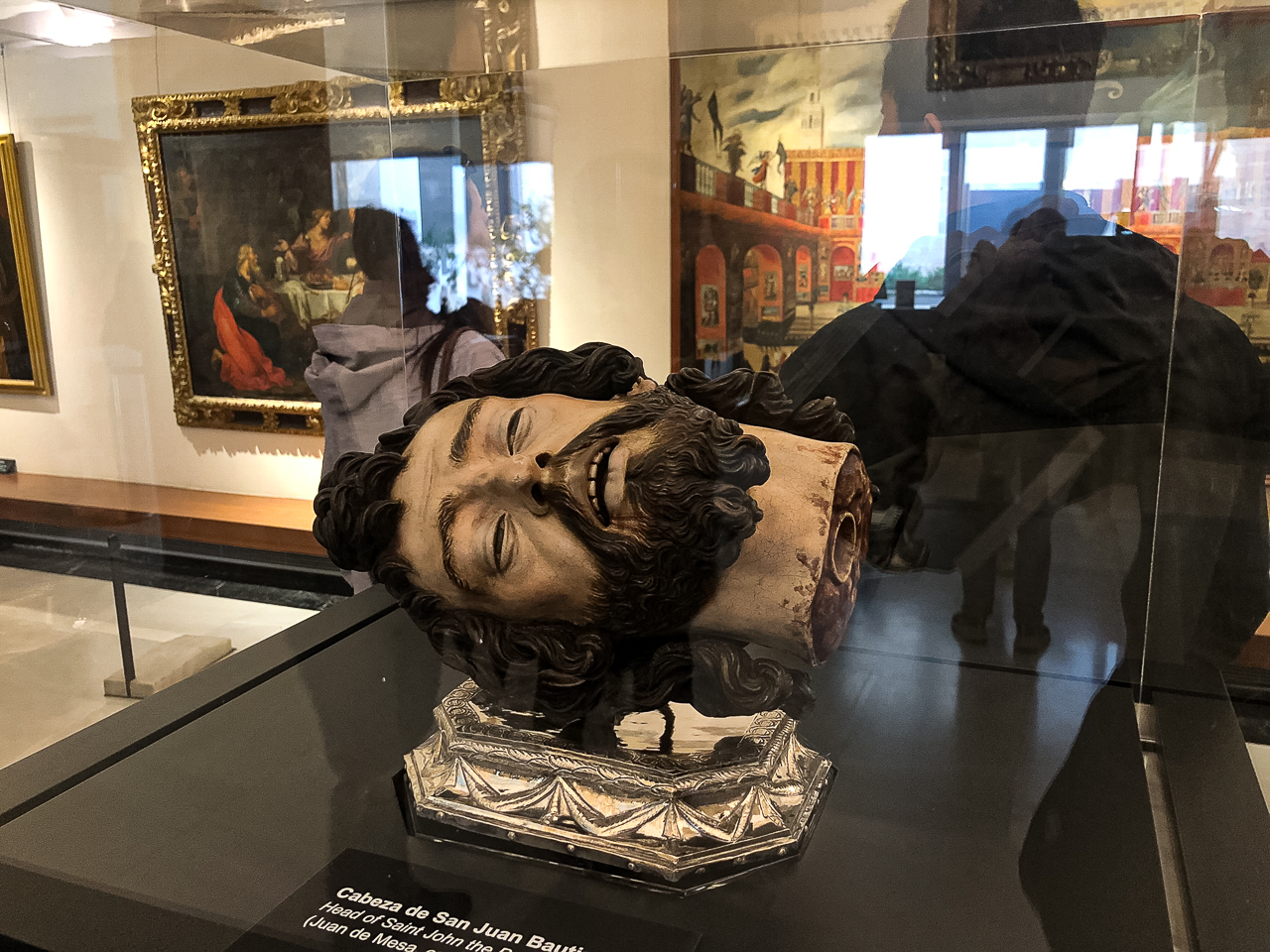
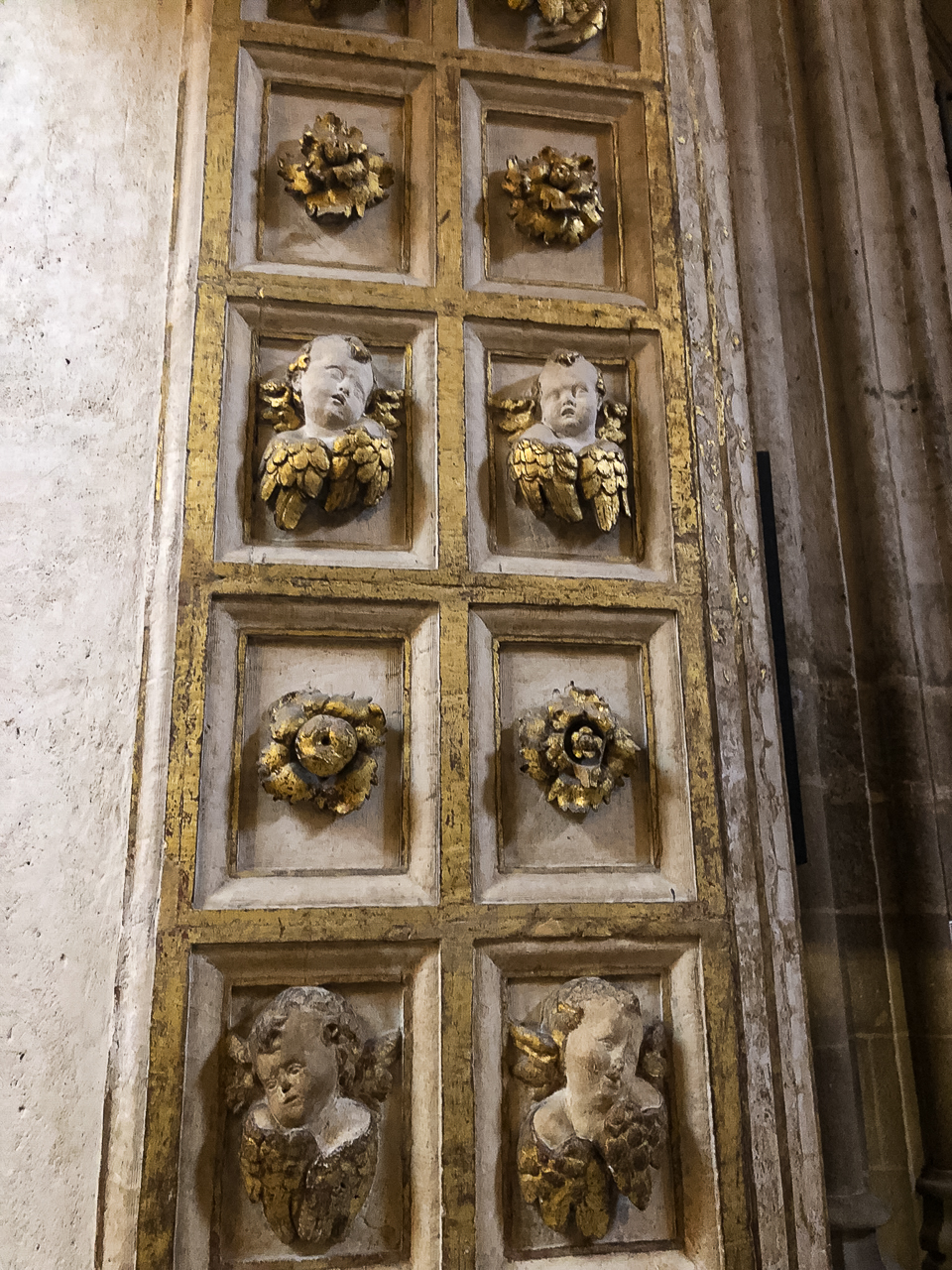
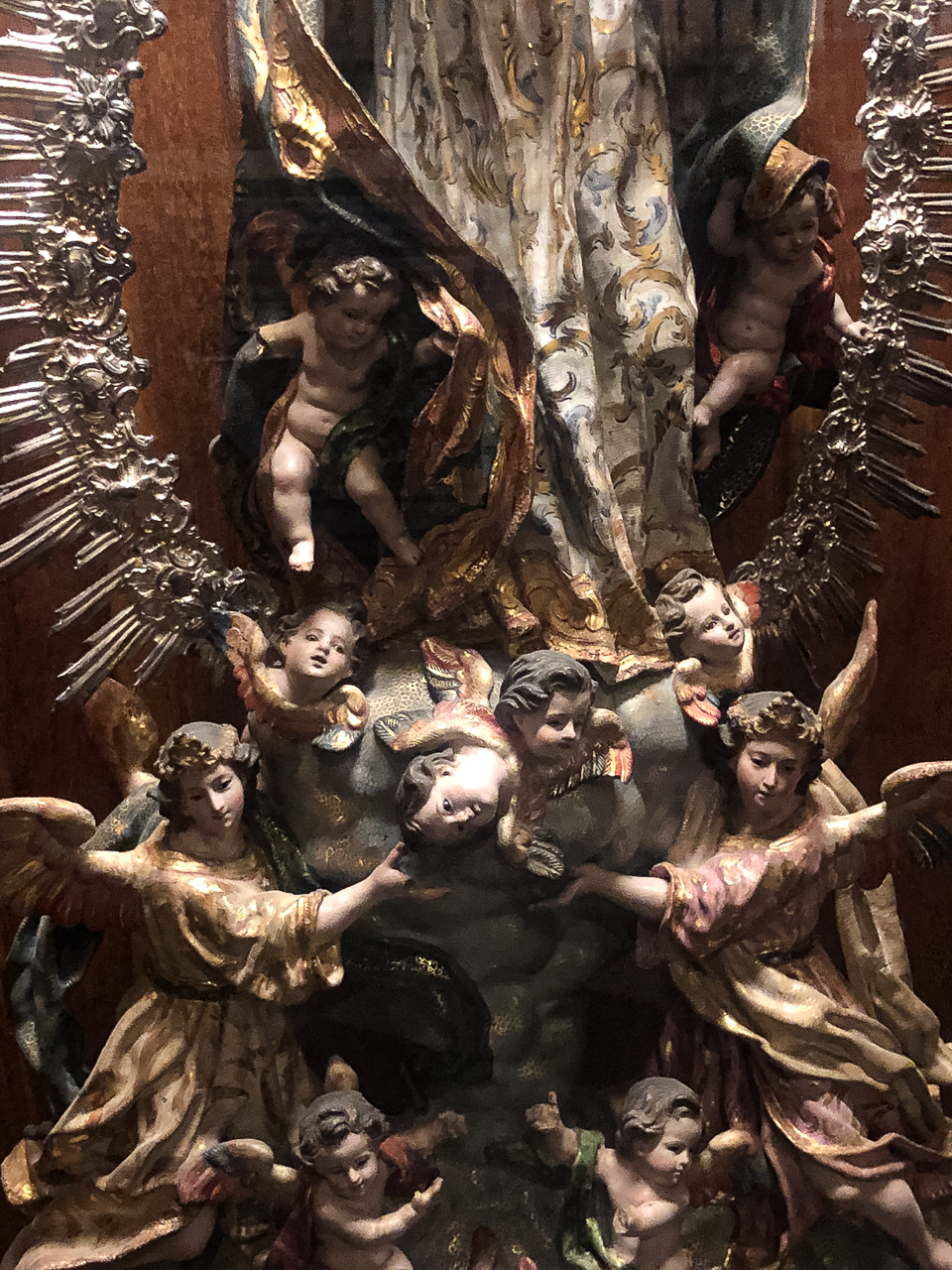
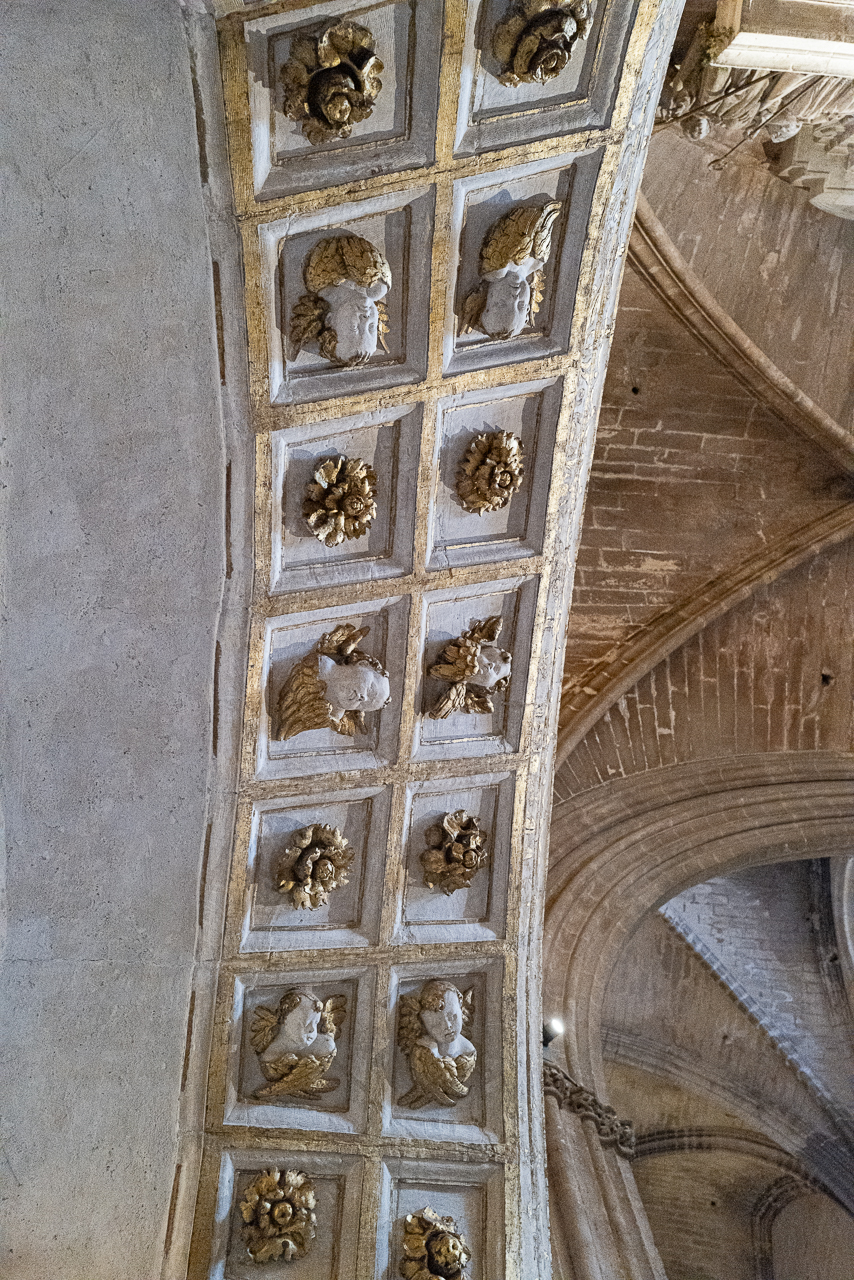
Unexpected Bodyless Flying Babyheads.
Just when I thought they were limited to Murillo paintings in El Museo de Belles Artes, they show up here!
Quoted history sourced from the Cathedral brochure and https://www.lacatedraldesevilla.org.
 tbaroundtheworld
Well, the place is spectacular with the grandeur and spaces and lighting and the flying buttresses and the history. Just stunning.
Help Desk Guy sure could have been more helpful. Geez.
The religious art is pretty heavy. Been thinking this evening of what the modern equivalent is.
Can’t wait to read more of your adventures.
Oh! Where are the churros? Have you not had a proper churro yet?
We’ve passed a few Churro places, but haven’t indulged yet.
Again a fascinating, informative description of this amazing building. I googled it to get a better impression of the outside dimensions. I clearly has something oriental about it, as I suppose much of Andalusian has.
>