
The weather took an interesting turn today, going from bad to worse. We’d been ducking in and out of showers for the last few days, today there was no ducking. It was pouring and the wind was howling, as in “invert your umbrella” howling. We went off to the coffee shop (it’s close) had our second breakfast and had a great conversation with our coffee shop pal, Howard.
I was watching the weather and the rain seemed to come and go so following coffee we stopped at home for a little bit and decided to go to that one last church. There were two on my list, but the furthest away simply wasn’t going to happen. The other, Igreja de São Francisco was just around the block so we waited for a break in the squall and went outside. The break lasted until we were just far enough away to not change our minds and run back to cover. By the time we climbed the 40 stairs to the entrance, we were soaked.
There are actually two churches on the site, one was decreed by Pope Gregory IX in 1233 assigning the site to the Franciscans. Eleven years later, Pope Innocent IV authorized the order to build a convent on the site. The church was remodeled in 1383 and again in the late 17th century. Following the removal of the Franciscan order from Portugal in 1834, the site was consigned to the Venerable Third Order of Saint Francis of Porto. The second church was built in 1795 by that order.
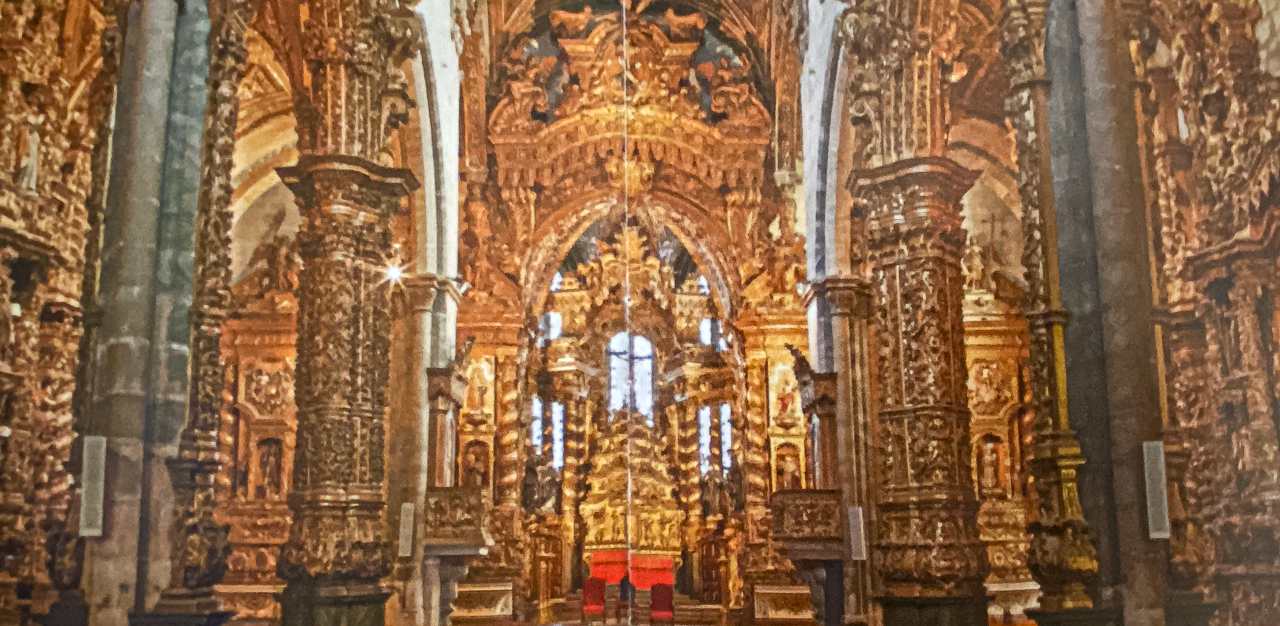
I’m sorry to report that photography is not allowed in the main church because it was bar none, the single most gobsmacking religious interior we’ve ever seen. And we’ve seen some gobsmacking religious interiors. Every square inch of every surface above the floor was covered in gold-leaf-painted carvings including all the pillars. The statues of saints in the side niches were huge and ornately detailed. I could go on and on, but words don’t do it justice. Here’s an image I lifted from their brochure to give you a small taste of what I am trying to describe –
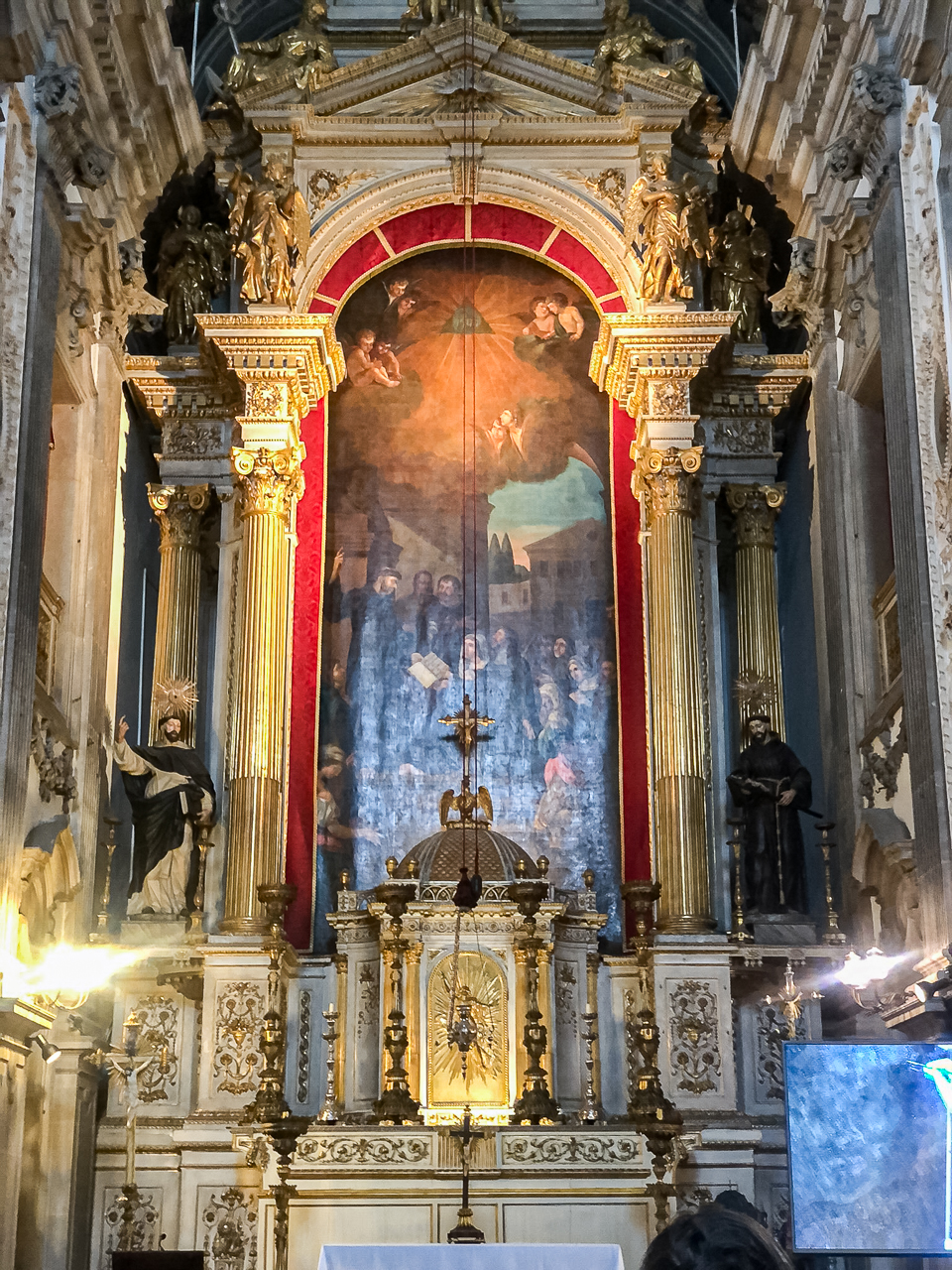
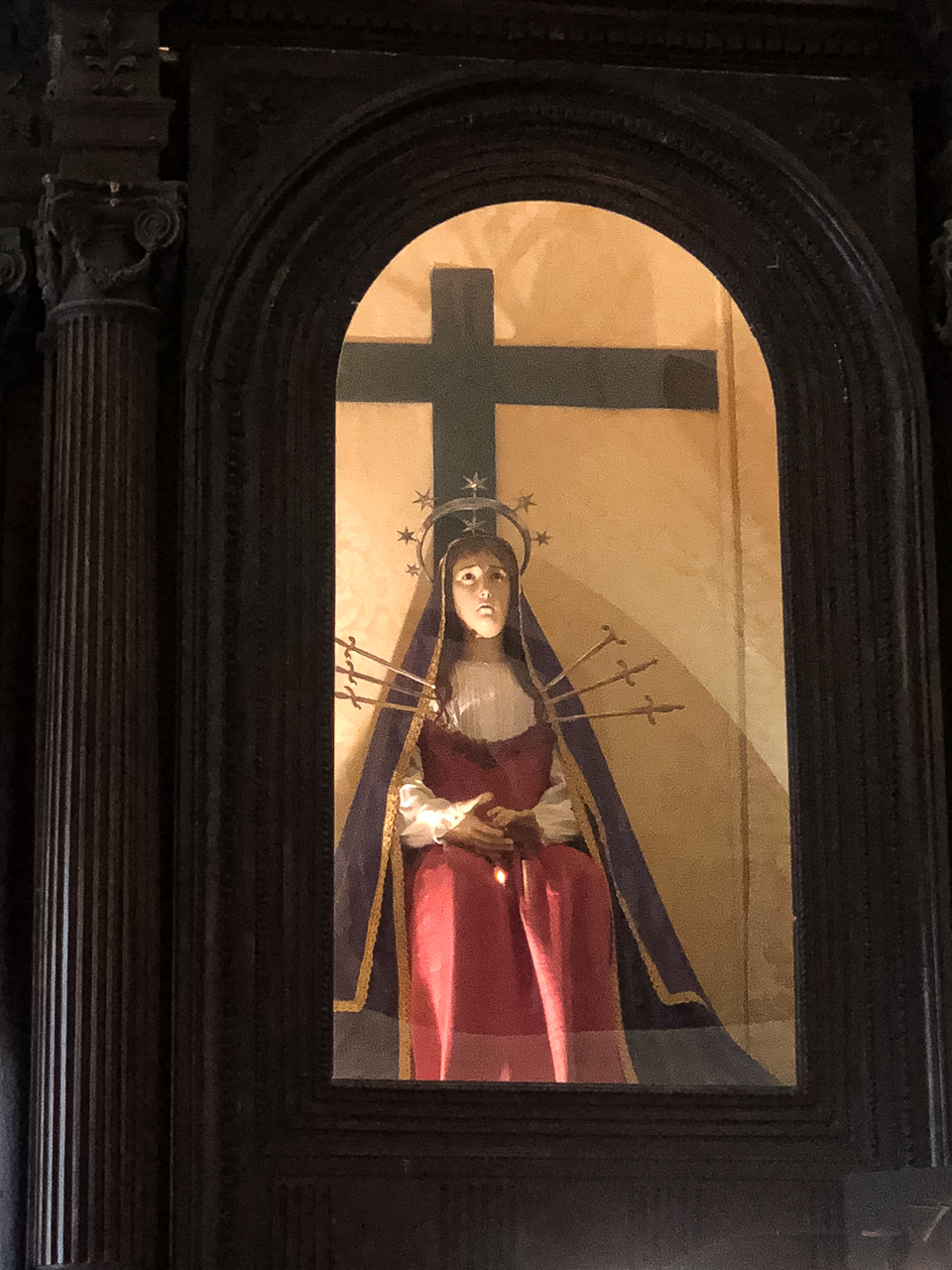
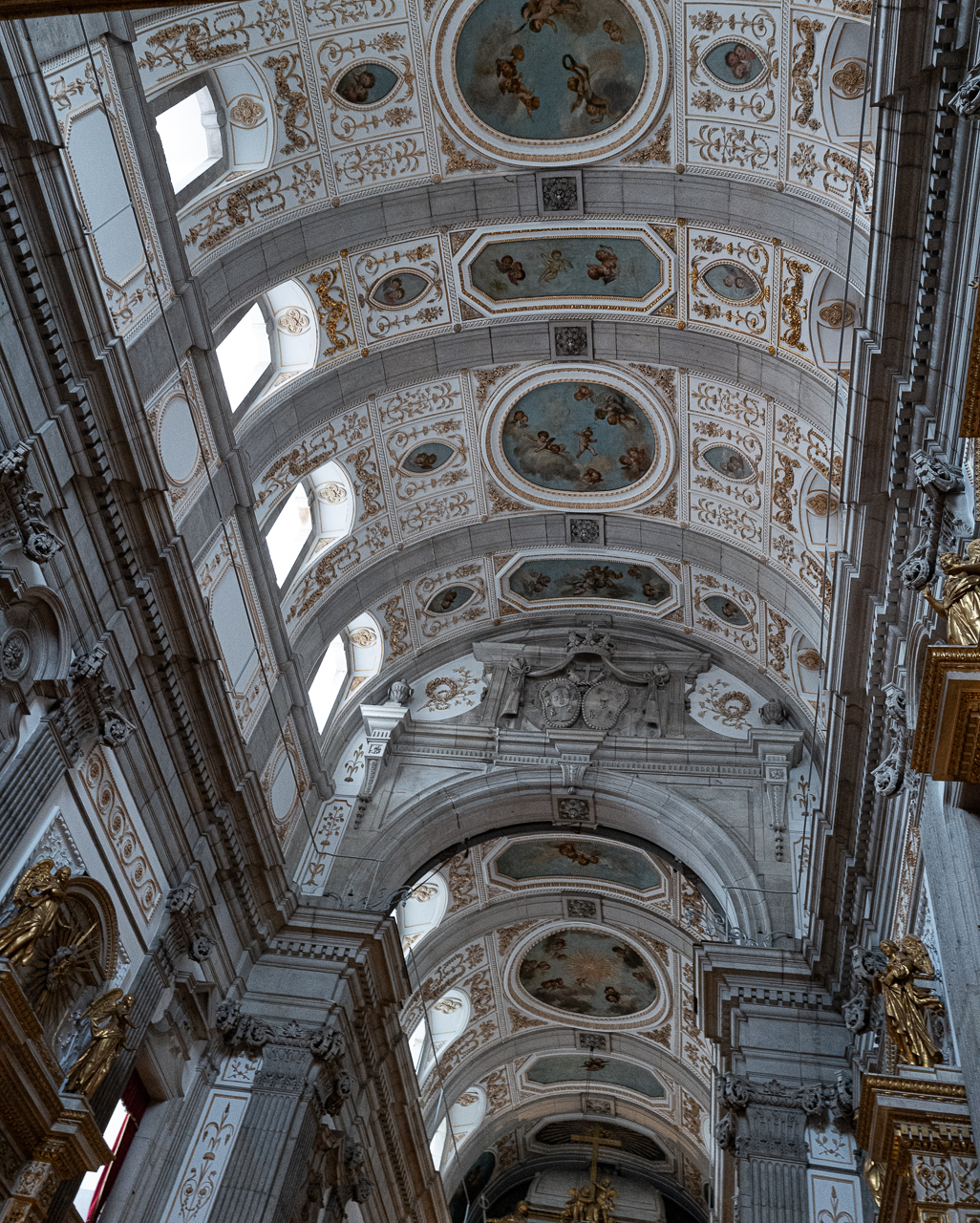
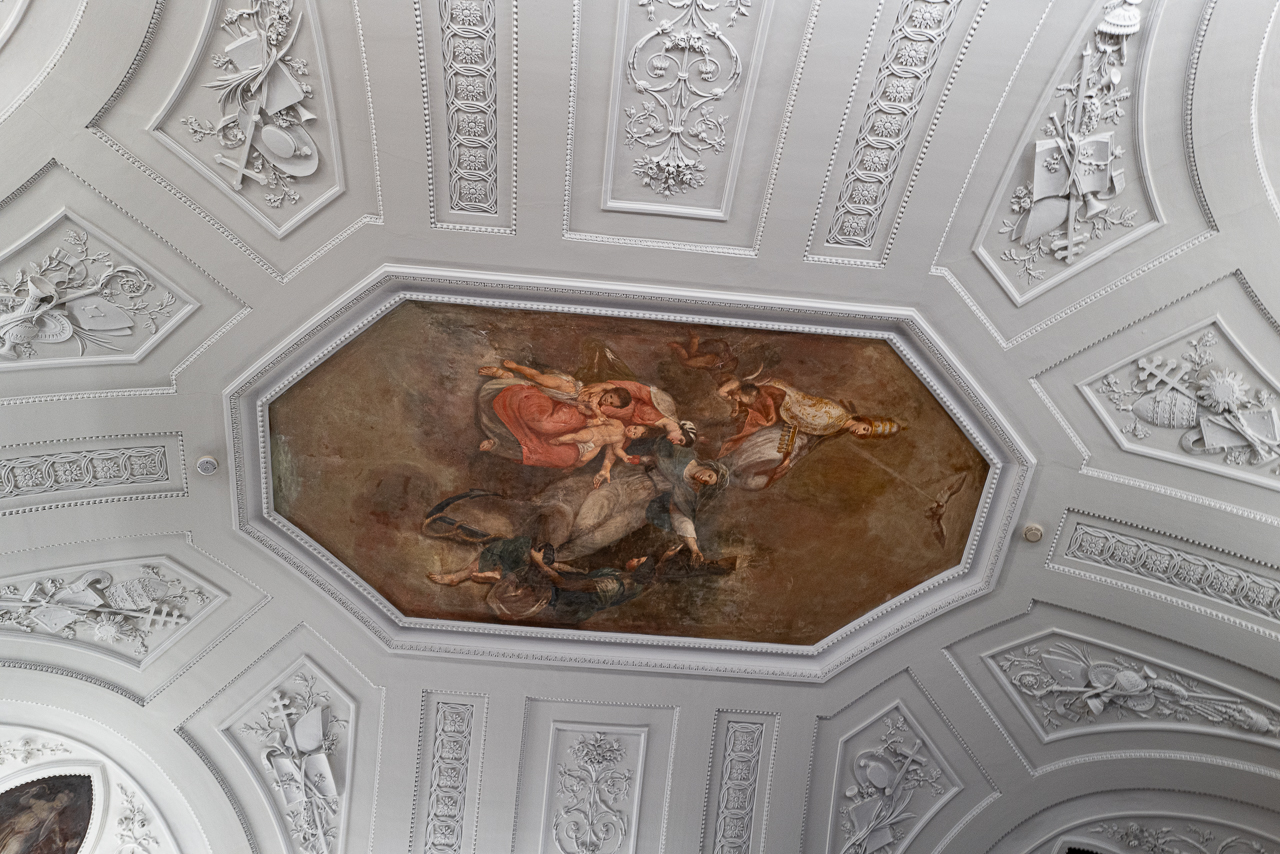
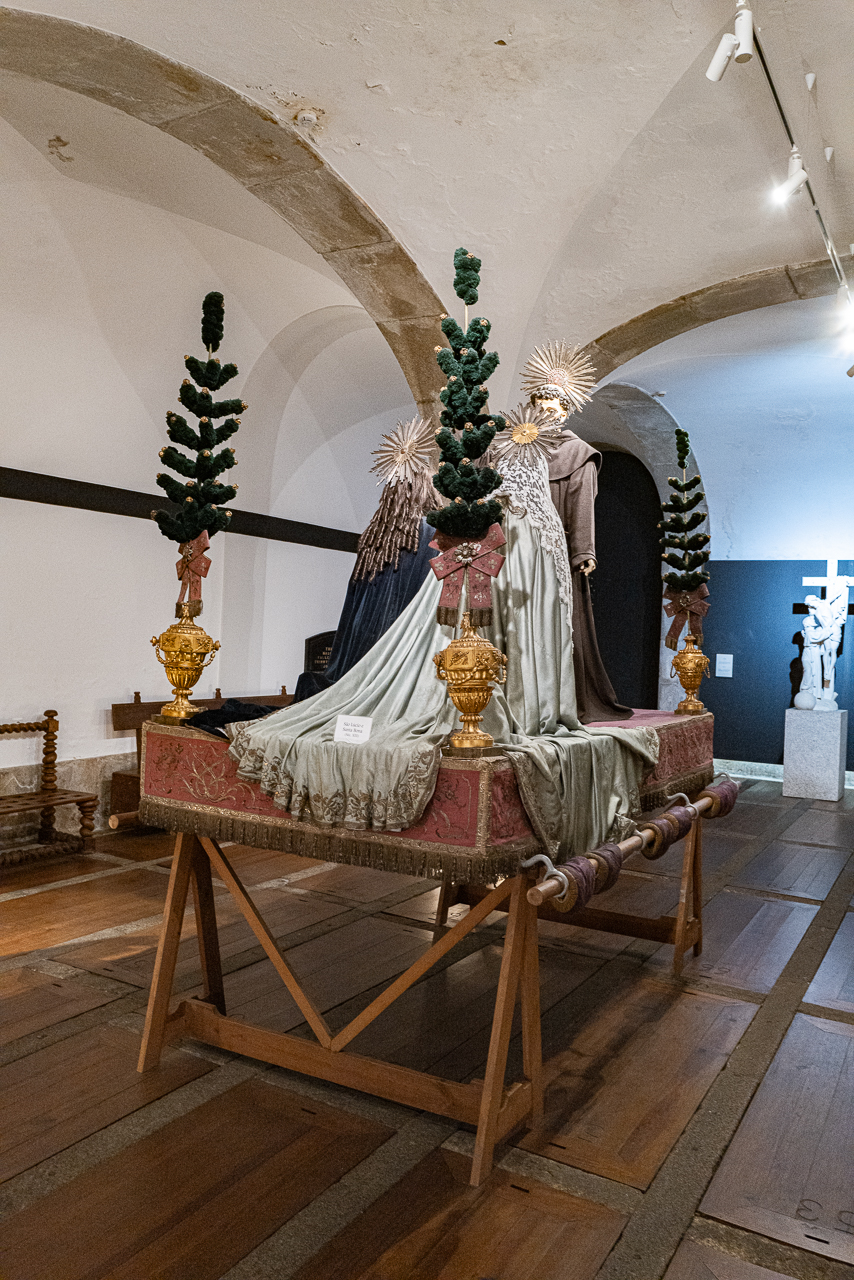
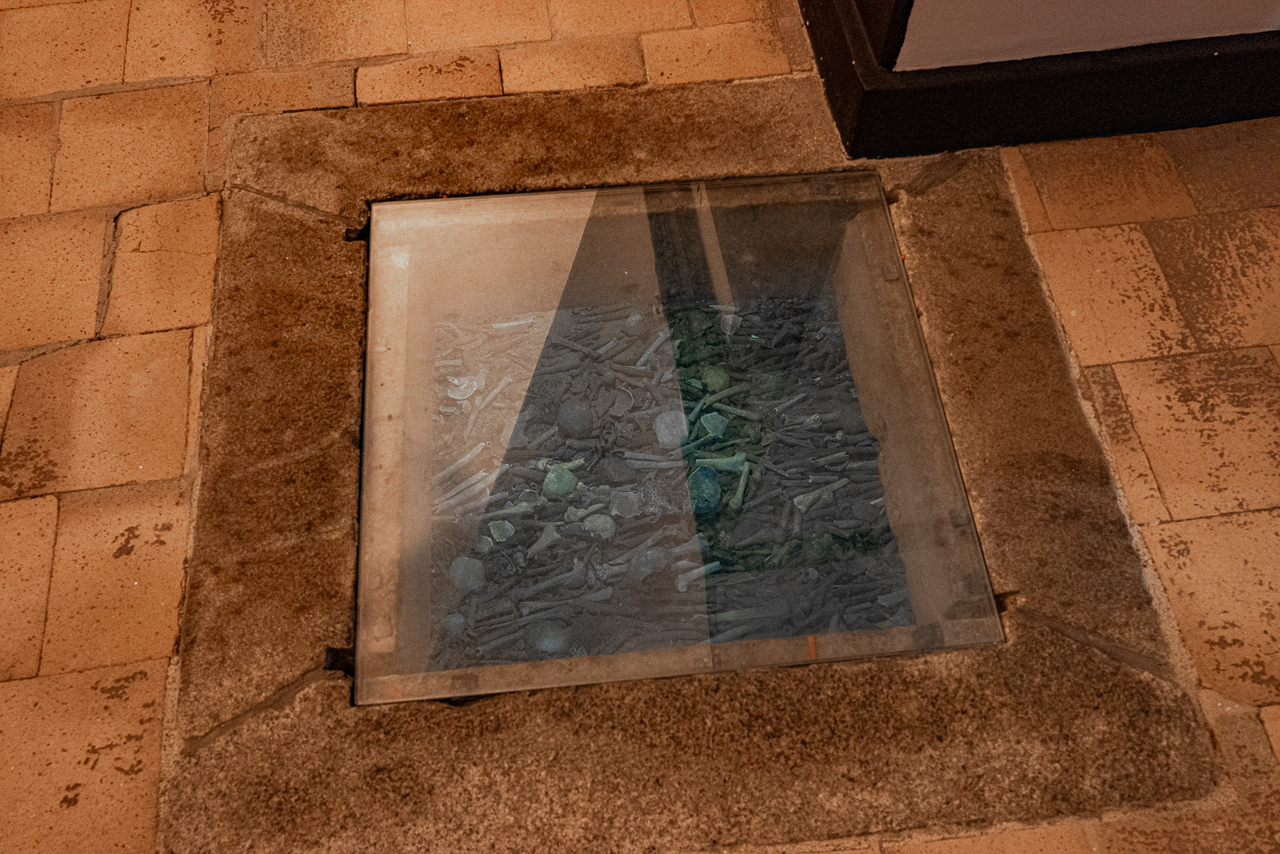
The other building, The Church and Sacristy of the Third Order was more modest and typical of the Baroque Era. Gold-decorated white ceilings and more traditional saints in the niches. Thankfully they do allow photography on this side so we took a few representative shots. There is a small museum off to the side and a crypt in the basement that was pretty interesting. Walls and walls of burials of the notable church-going citizens of Porto. The catacombs were built in 1746 and were unique to the city. They served as burial spots until 1866 when the first aboveground cemetery was built. Below the first-class graves was an ossuary with an astounding mass of the bones of the less well-heeled parishioners. In a room adjacent to the graves was a nice collection of some of the litters paraded on Ash Wednesday. Oh, and we found one statue with more bodyless flying heads than we’ve seen in any location.








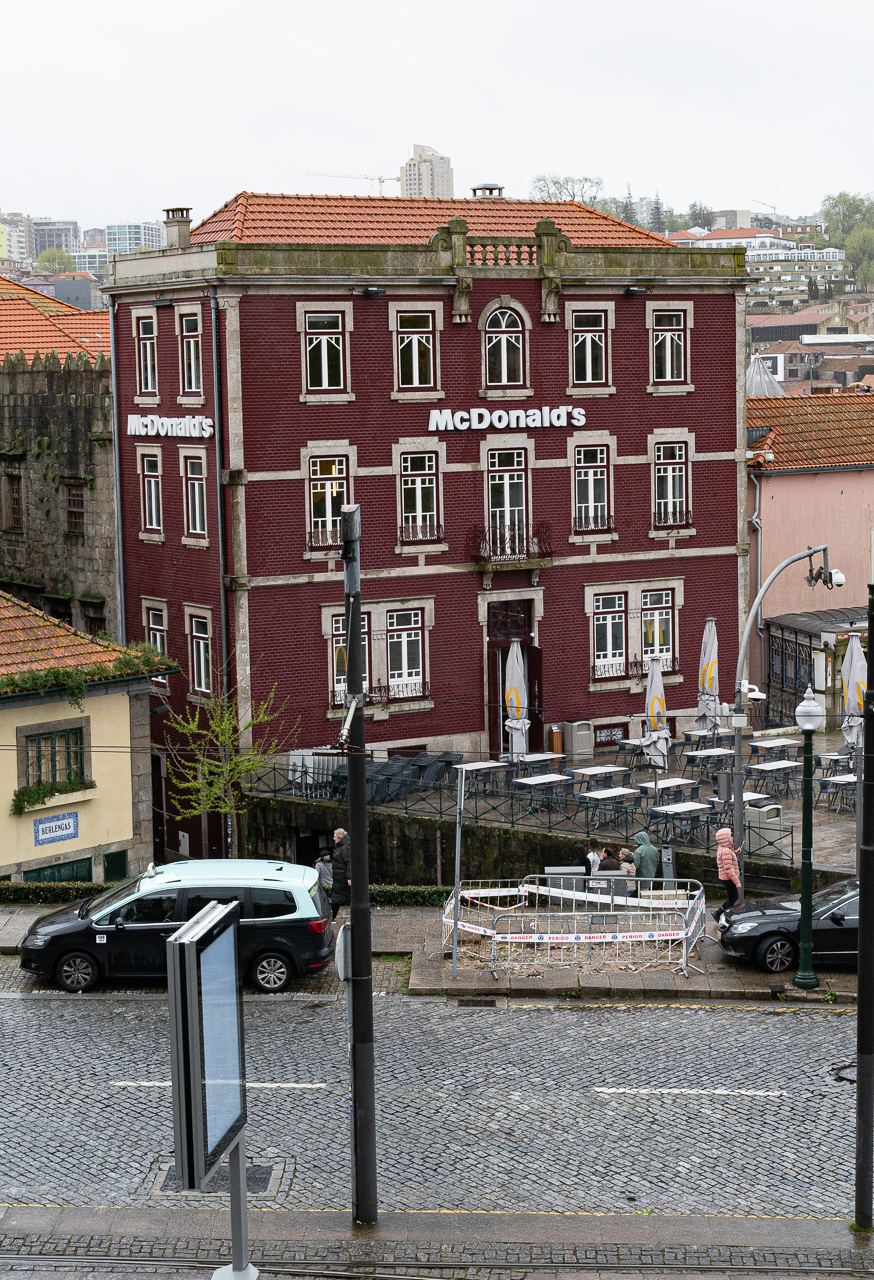
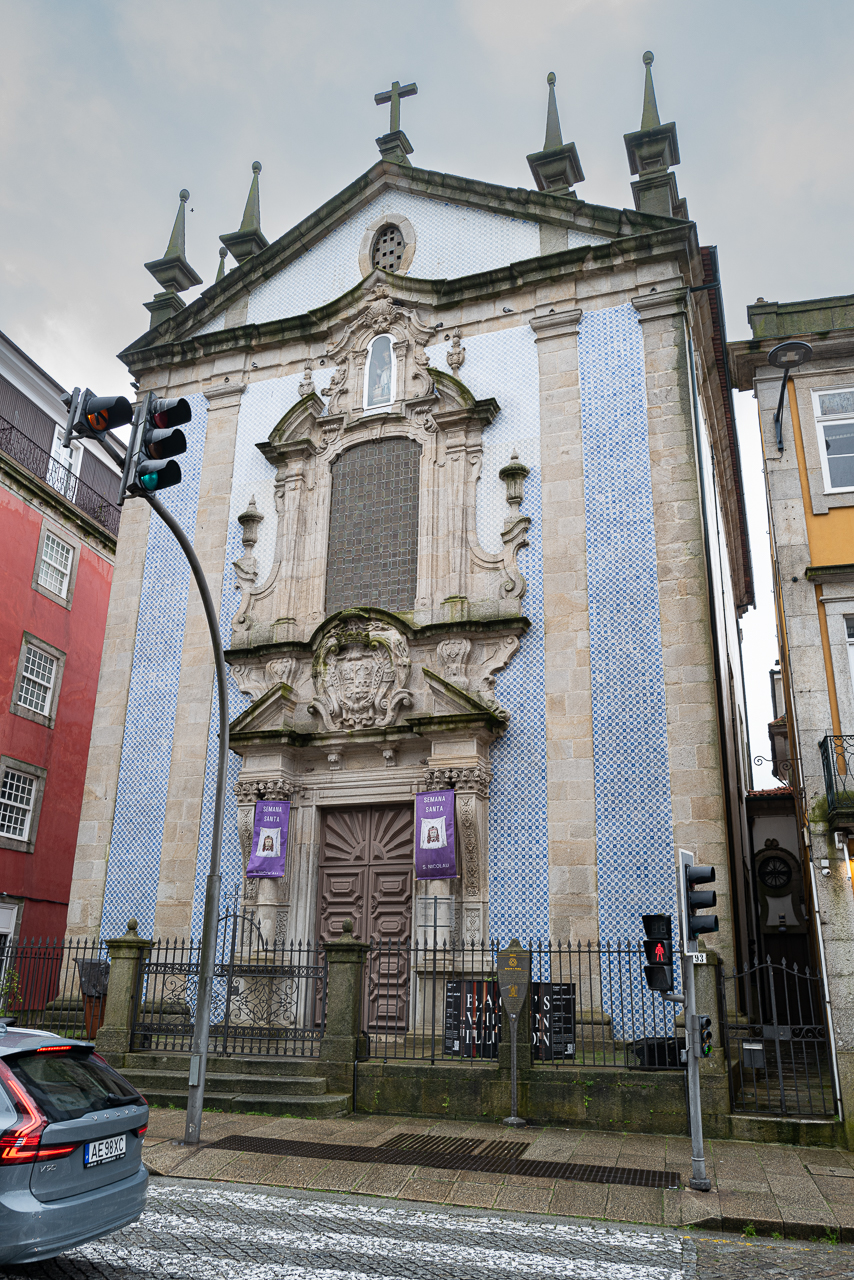
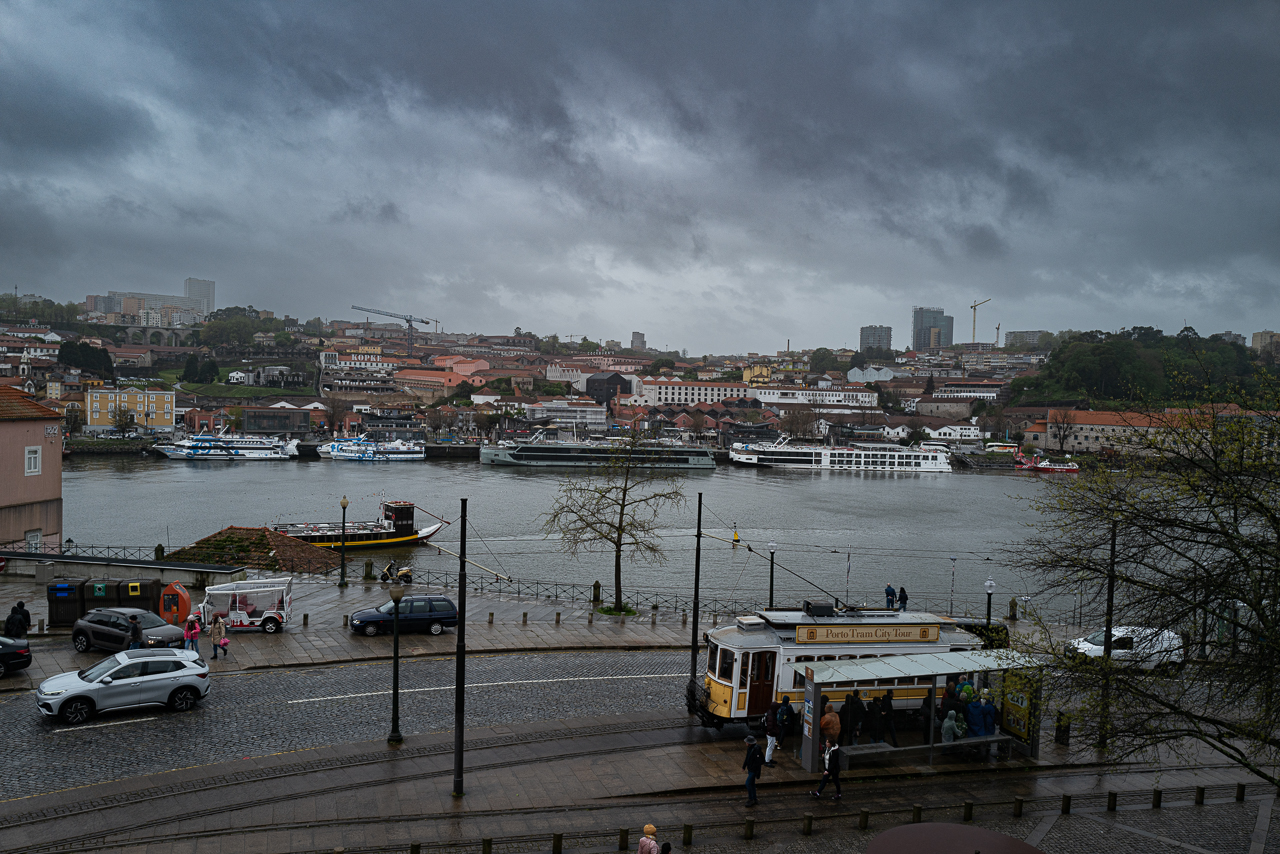
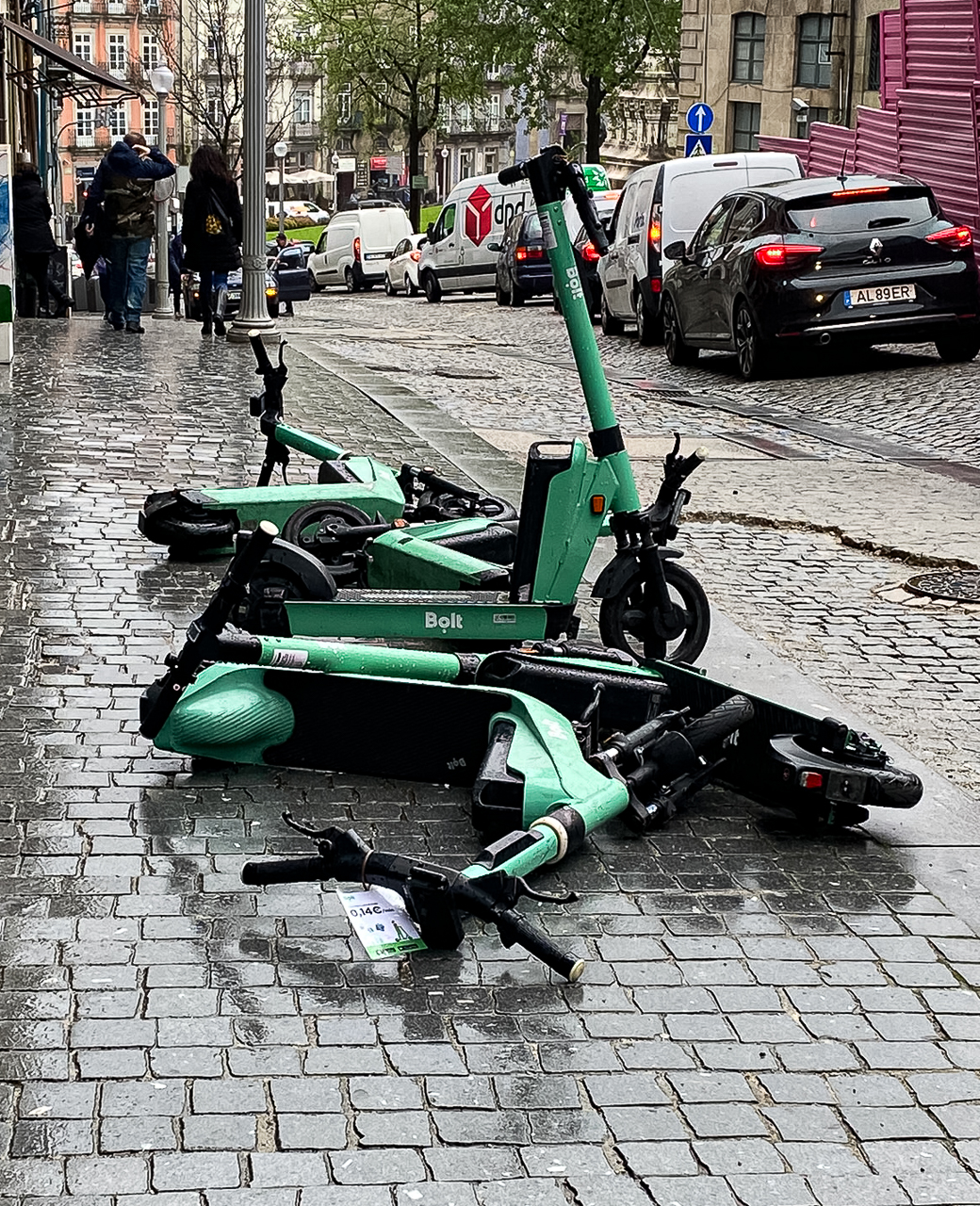
We managed to leave during a break in the rain (wind still howling) and headed back home. As always, the stuff along the way was interesting, more so when you’re not being pelleted by sleet. The weirdest McDonalds I’ve ever seen, another little church covered in azulejos, a view of the stormy river, a statue of Prince Henry the Navigator (founder of the Age of Discovery,) and one more reminder that scooter rentals have no place in a civilized society.

 tbaroundtheworld
I hope the rainy day was peaceful and calming when you weren’t trying to get somewhere.
Image 5 of 15, the one right after the creepy bodiless heads, the poor woman sitting so poised with 6 swords penetrating her chest cavity – who is that? What did she do?
Very crazy McDonalds.
Ha! Boy if the scooters could talk! Bet they’d have some words.
Interesting how one church can be so different from all the others, which you would not expect after Baroque, Baroque, Baroque. Again interesting pictures, and terrible weather. Aren’t you glad you’re not at sea?
>