
The Thyssen-Bornemisza Museum collection is the result of 120 years of art collecting by the Thyssen family. August Thyssen, the founder of the family fortune established his first iron and steel factories in 1871. In 1905 he commissioned seven sculptures from Auguste Rodin beginning the family’s collecting tradition. In 1906, August’s 3rd son, Heinrich, Margit Bornemisza, the daughter of a Hungarian Baron gained that title and changed his surname to Thyssen-Bornemisza. In 1919 the fled the Hungarian Revolution, relocating to the Netherlands where most of Heinrich’s business interests were located. Following his father’s death in 1926, Heinrich began collecting art in earnest, mimicking the collecting approach of the major German museums. He offers his collection up for public viewing but the reviews are poor due to the dubious provenance of much of his collection. He declines to donate them to museums and retains the collection for private use.
In 1932 he acquired a villa in Lugano, Italy, and added a building to house his growing collection. In 1936, the gallery opened to private viewings by invited guests. Following Heinrich’s death in 1948, his youngest son Hans Heinrich inherited the family fortune and the artworks and opened up the Lugano Gallery to the public. He also begins an effort to re-purchase paintings that his father had sold. In 1954, he began to acquire works by the old masters, keeping with his father’s classical tastes. The collection is displayed in Rotterdam, Essen, and London between 1959 and 1961. At this time he begins acquiring modern art emulating other wealthy collectors. From 1964 to 1979, the complete collection toured the world, displayed in major museums.
In 1986, having failed to receive the support of the Swiss government to support the collection, he began to shop the collection around, receiving offers from the United Kingdom, the Getty Foundation, and several German cities along with the Spanish Government. Ultimately, it’s the influence of his wife, Carmen Cervera that gives the nod to Spain. In 1988 he signed a lease with a purchase option with Spain for 775 works.
A foundation is established and an existing palace is renovated to house the collection and the museum opens in 1992. In 1993 the works were officially purchased for $350,000,000. In 2004 a modern wing was added to the museum and opened. It expands the mission of the museum by adding classrooms, storage, offices, and spaces for temporary exhibitions. In 2018, an agreement was signed between the museum and the baron’s daughter to display her collection twice each year. In 2021 the museum signed a 15-year lease-option for Carmen Thyssen’s collection.
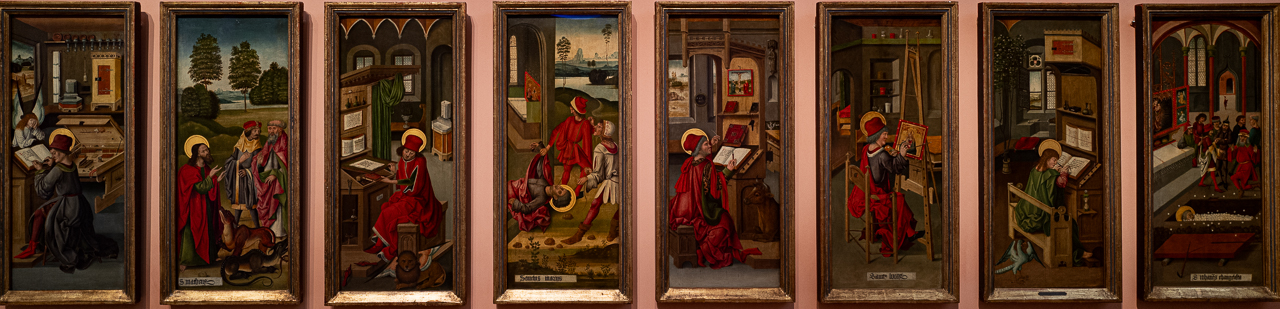
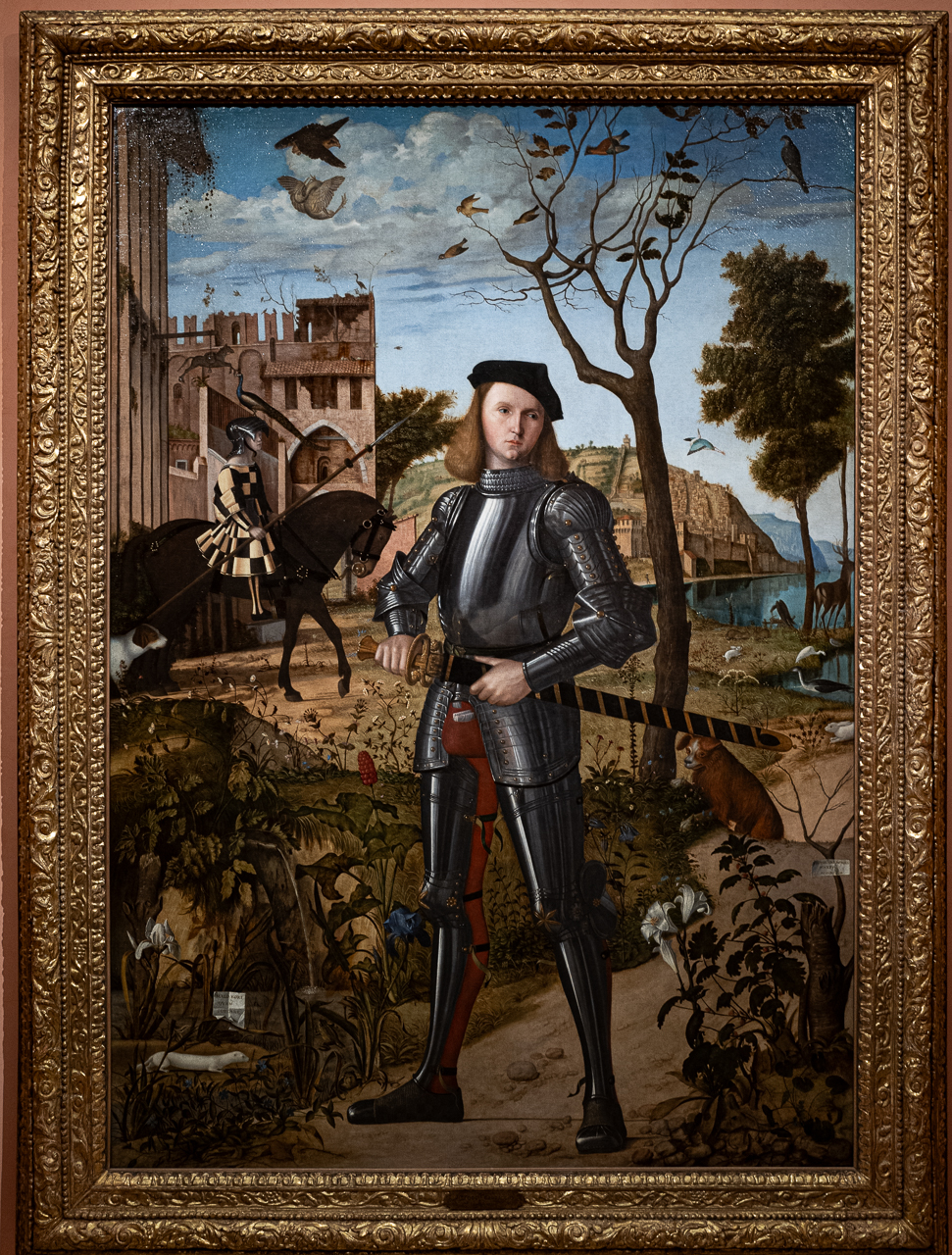
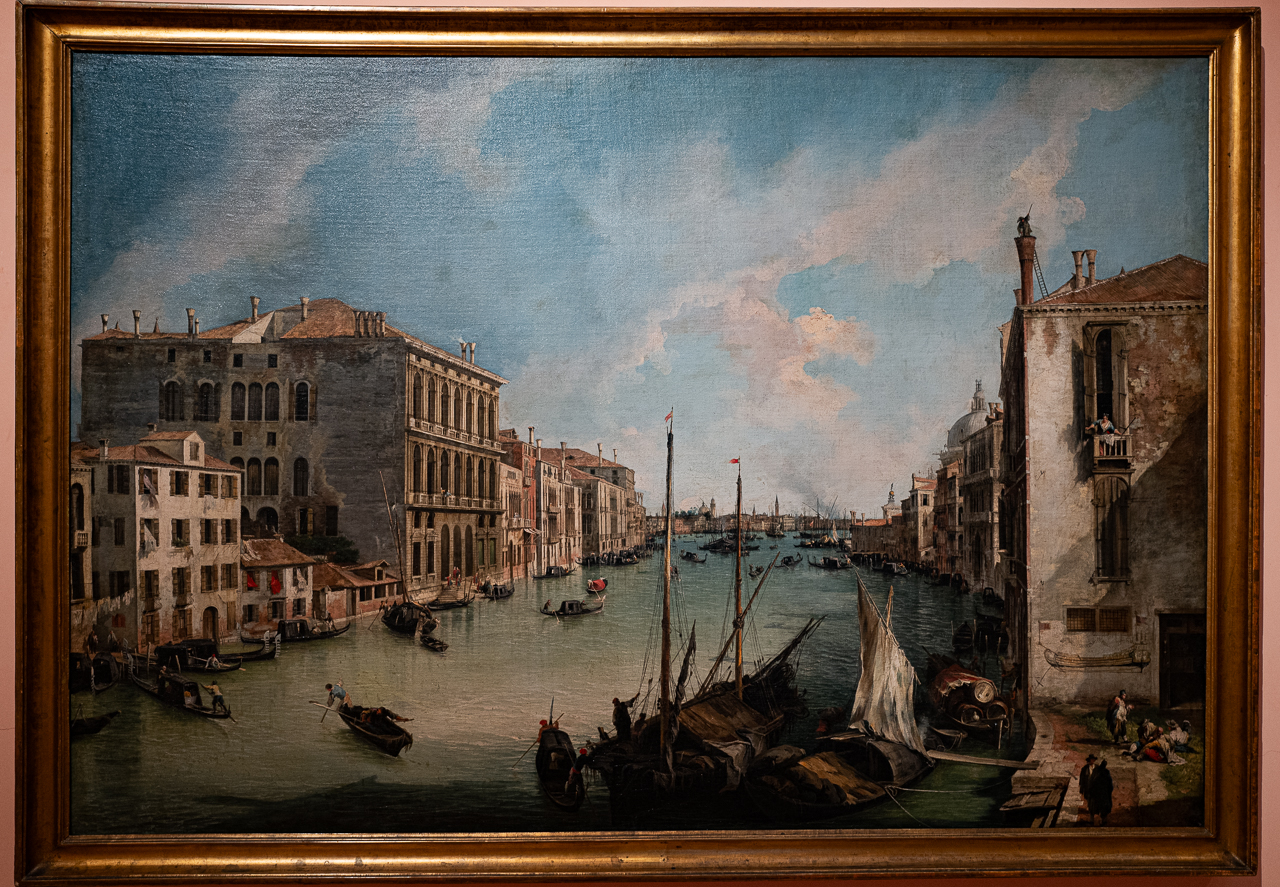
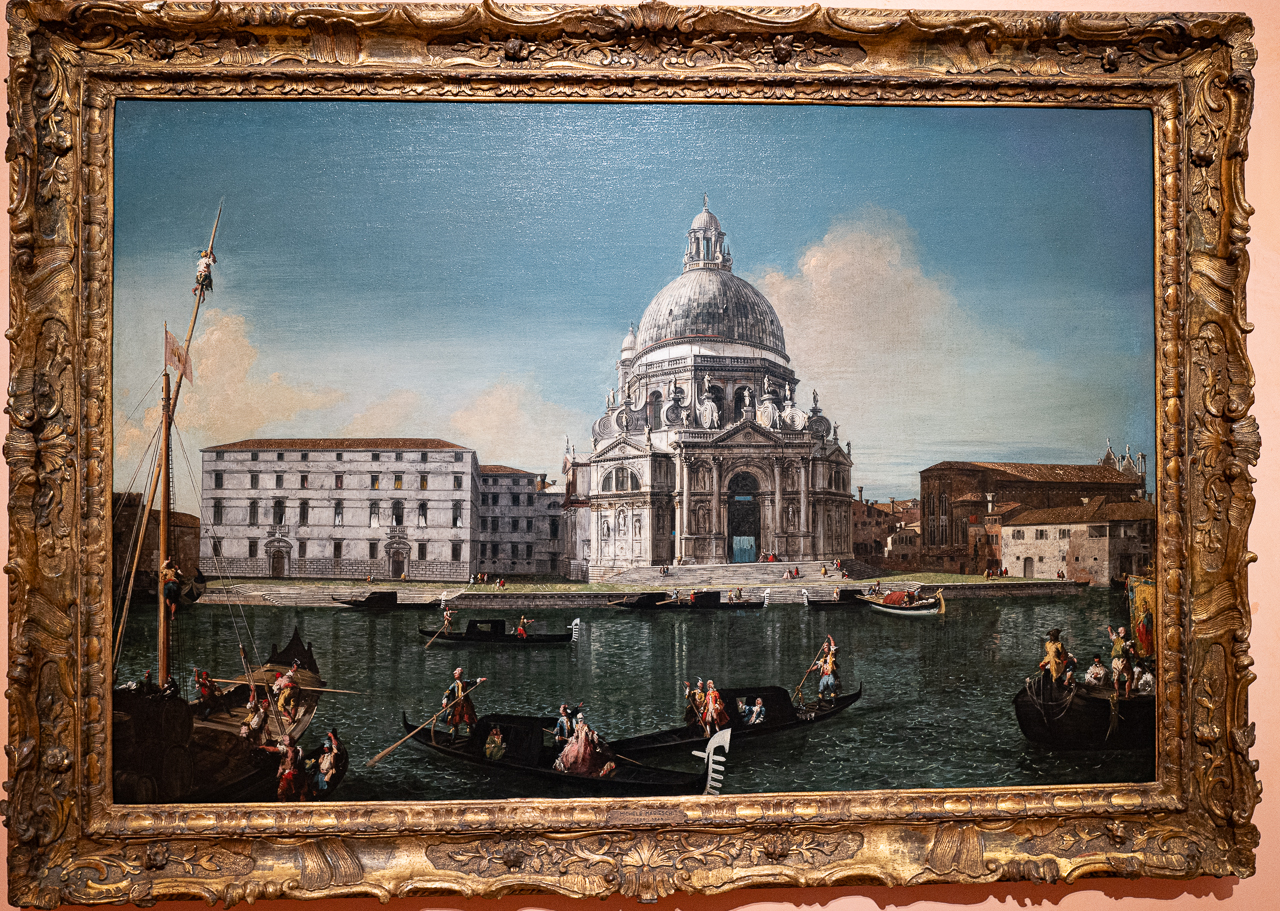
The museum is arranged on 3 floors. The ground floor displays the Carmen Thyssen collection and is where we began our day. Honestly, our visit would have been memorable if that was all we had done. The Baroness’ taste was evident, the collection was heavily loaded with Impressionists and works by Gauguin. It spanned the 1600s to the 1960s, everything from the Dutch to Roy Lichtenstein. From there we went up, deciding to work our way down. The 3rd floor holds a very impressive medieval religious art collection and then moves on to the Dutch and Italian masters and finally the Impressionists. Those galleries were by far my favorite. The next floor down began with American 19th-century landscape art and then went on to cover the revolutions in art that took place in the 20th century. It closed with pieces from the 1970s. It was of course educational, but we didn’t spend a lot of time pouring over the details.
It took us about 3 hours to do a good survey and I think if we go back again, we’ll focus our time on the stuff we love.
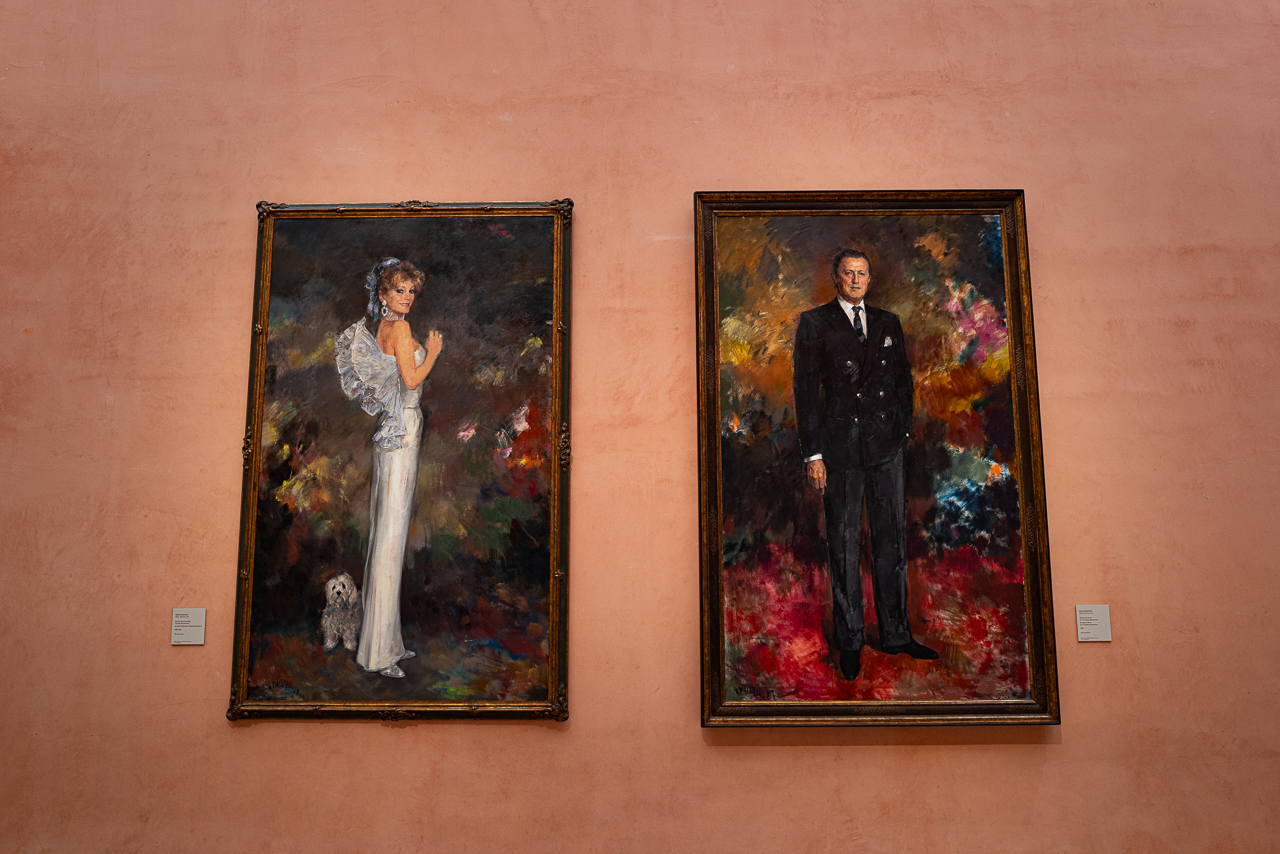
The Baron and Baroness.
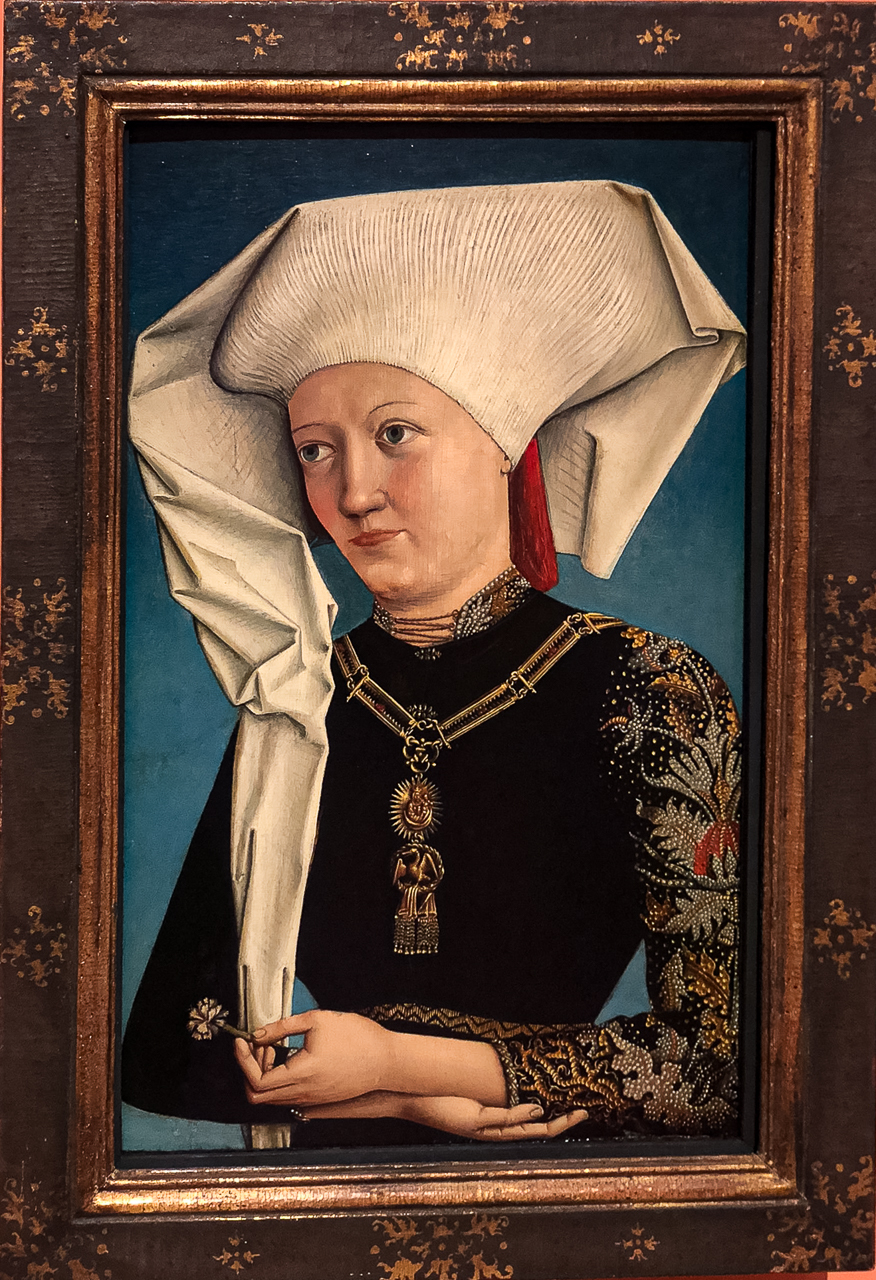
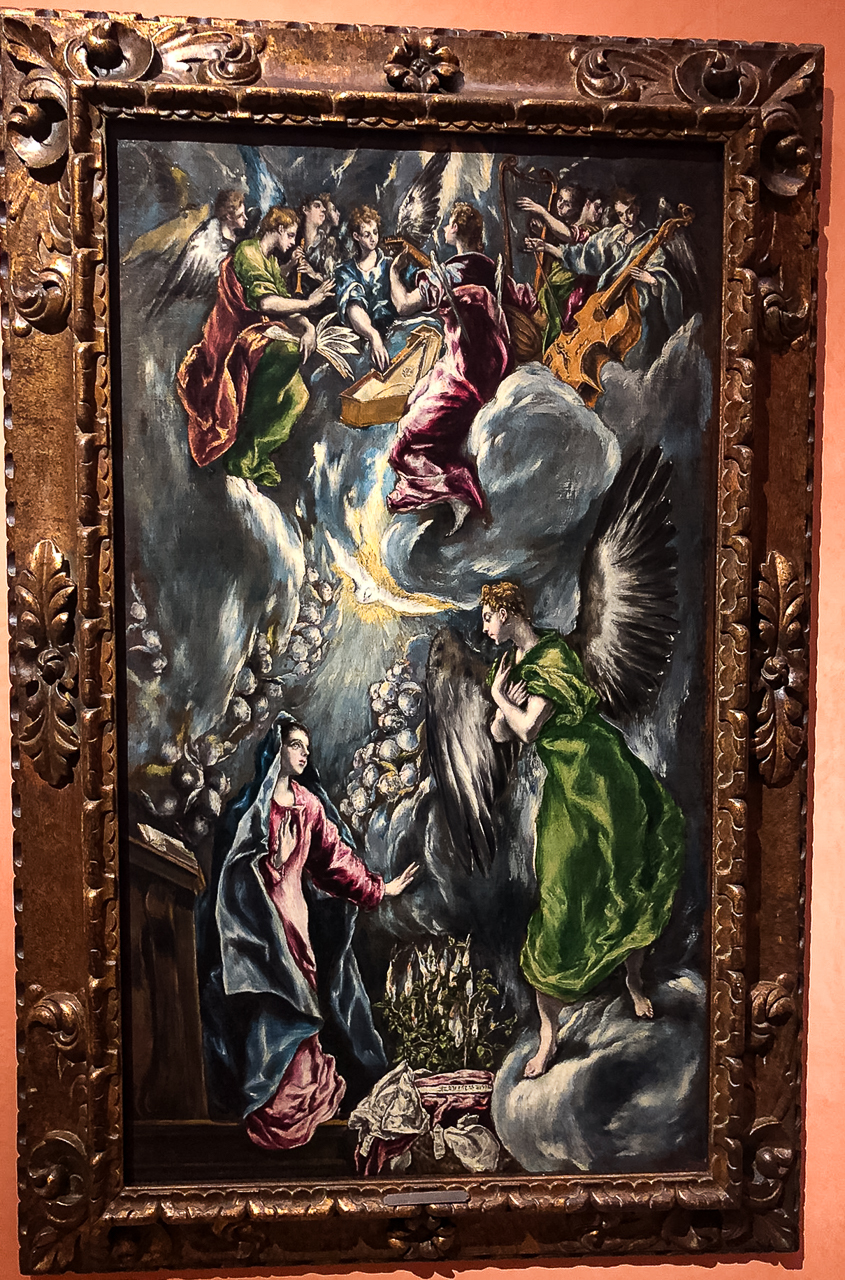
The Masters
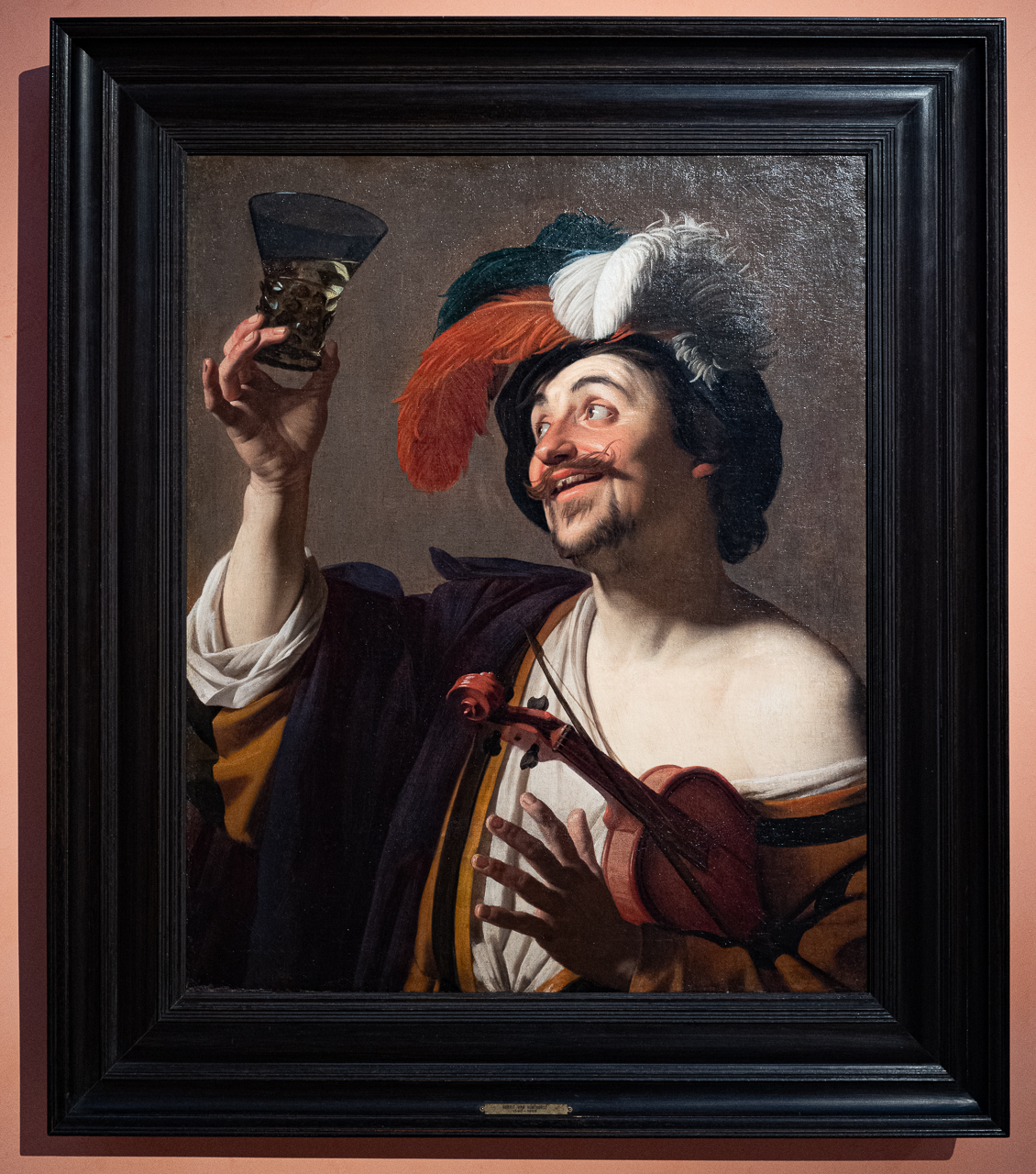
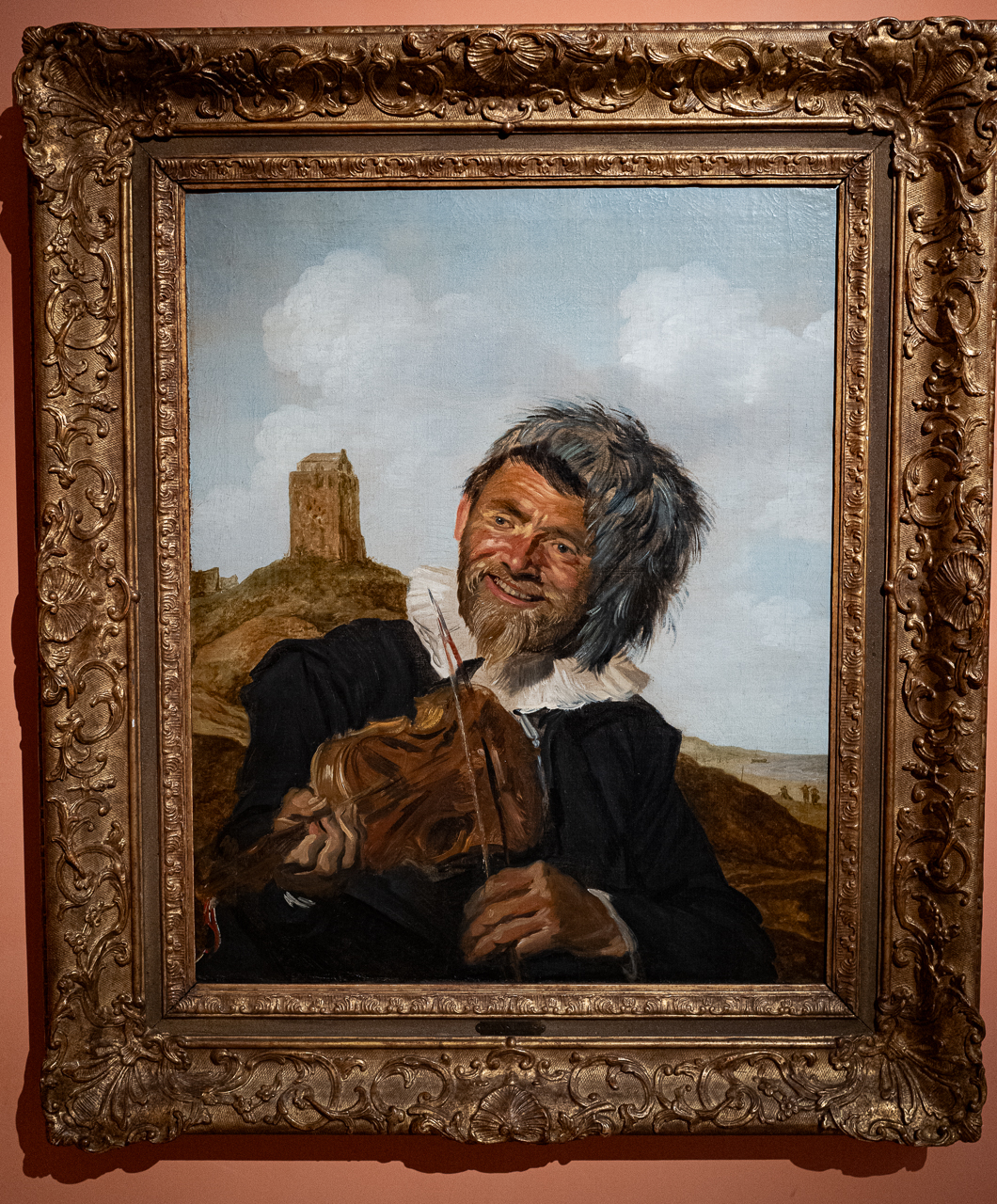
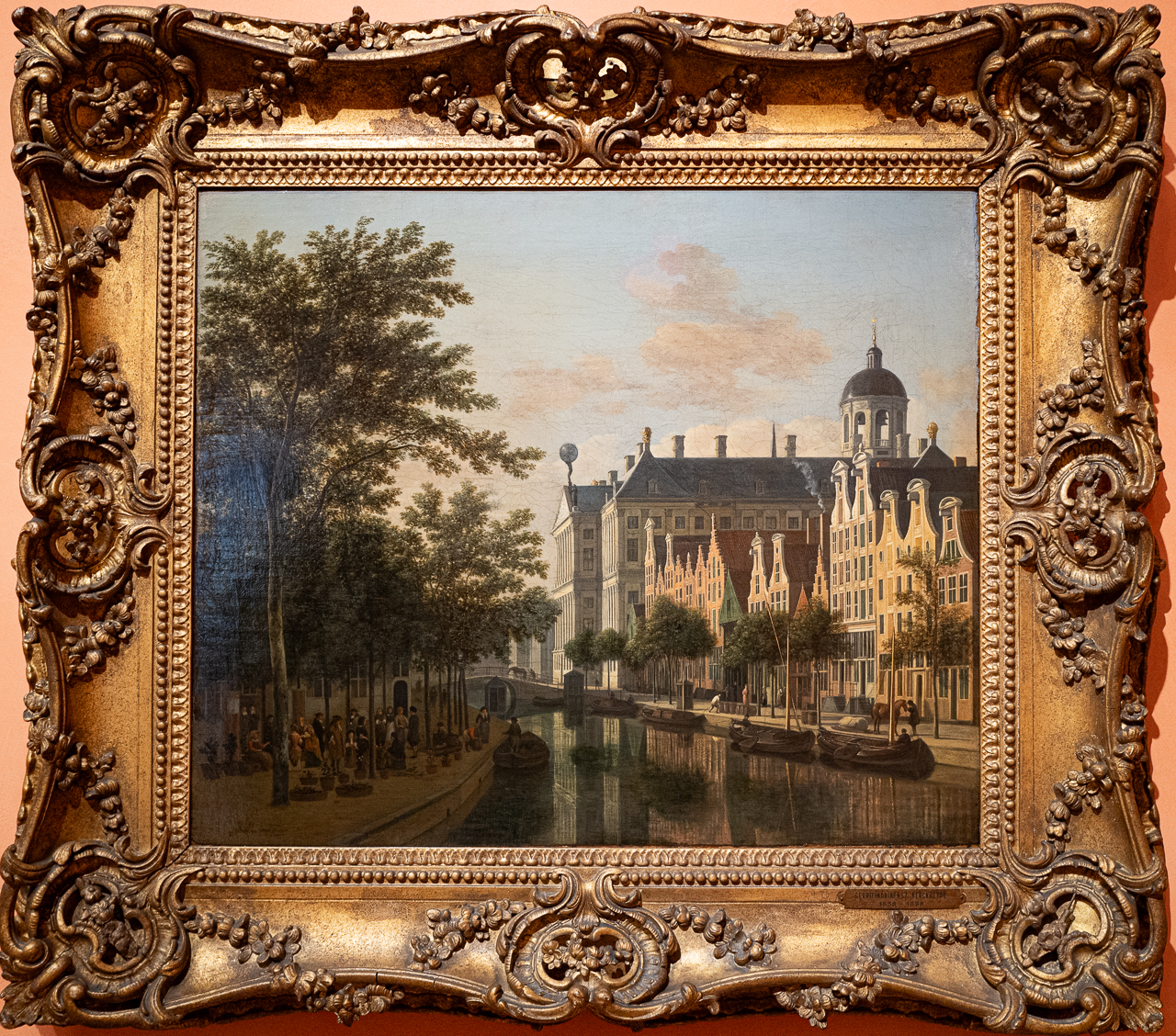
Spanning the age from the early Renaissance to the last 17th century, painting styles went from almost exclusively religious to depictions of everyday life and portraiture. On the whole, I think the Dutch Masters are my favorite, for the glimpses they give into how people lived.

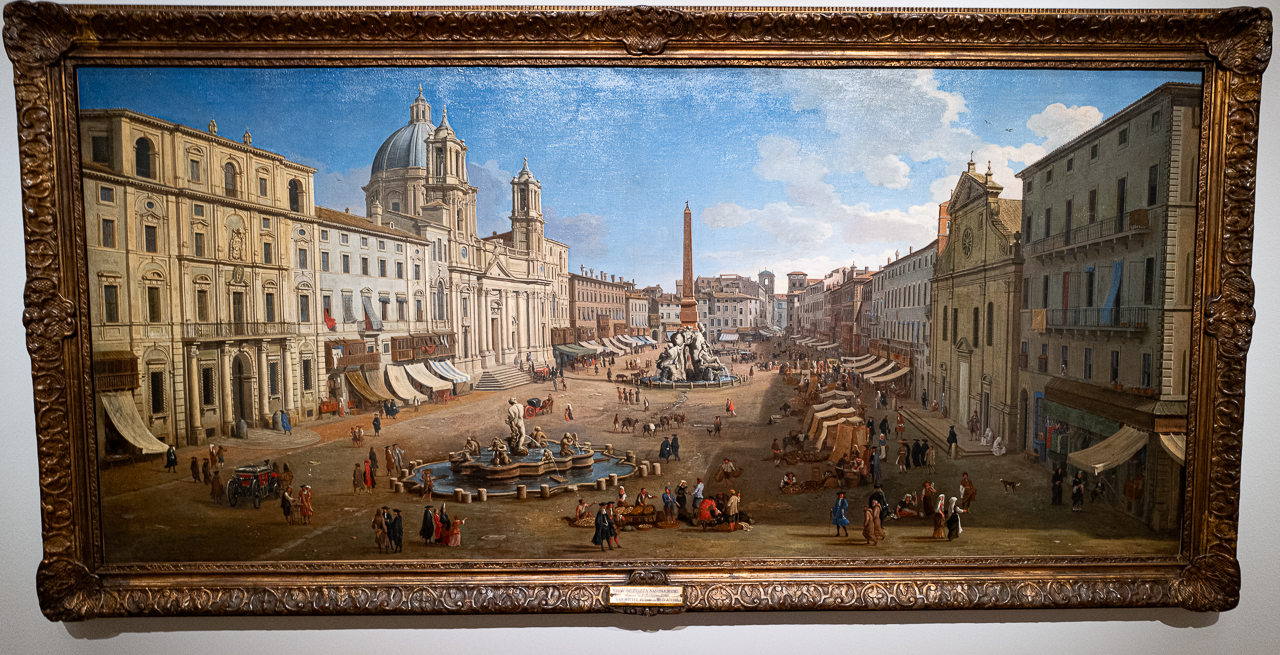








The Impressionists and the Modernists
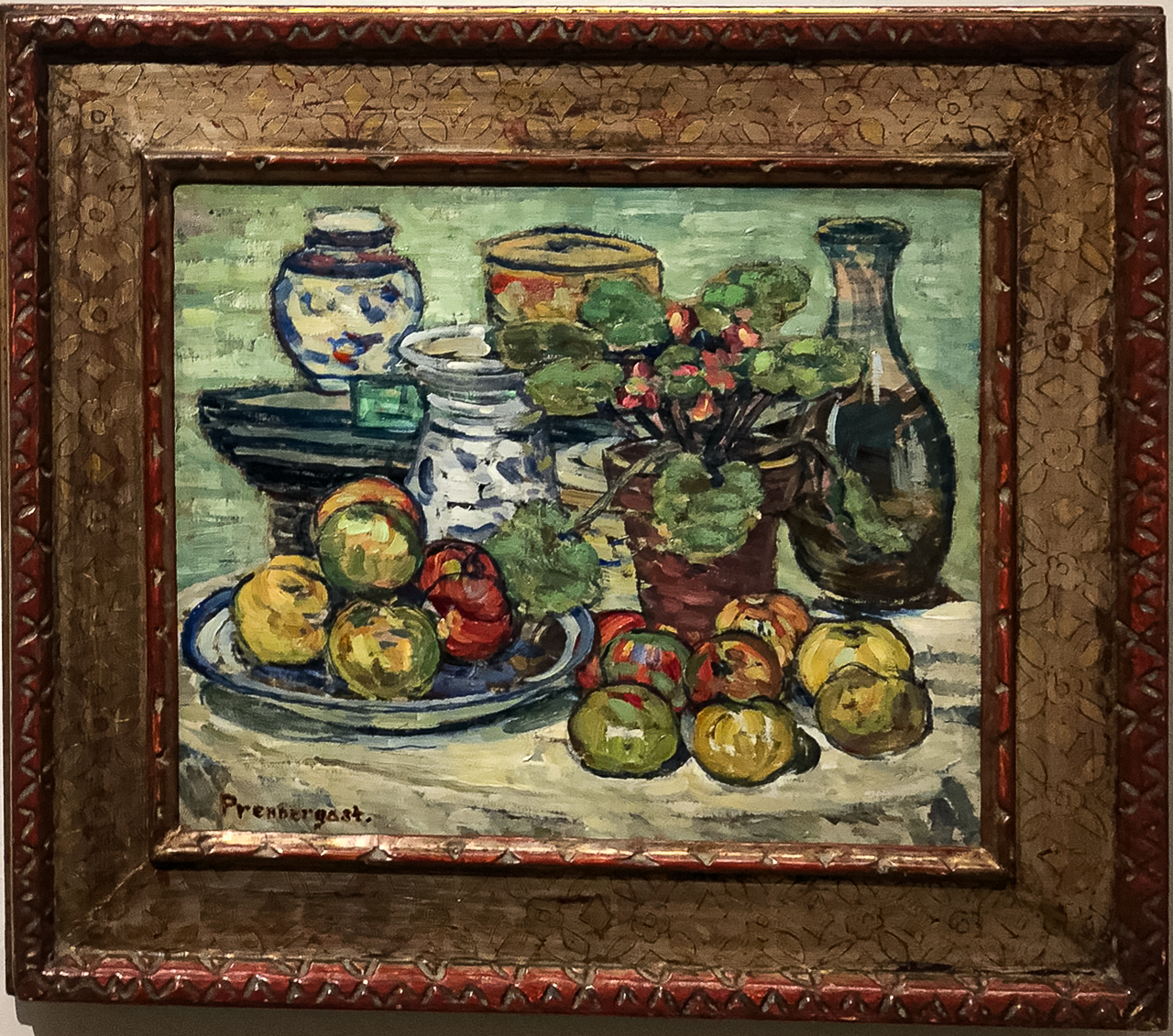
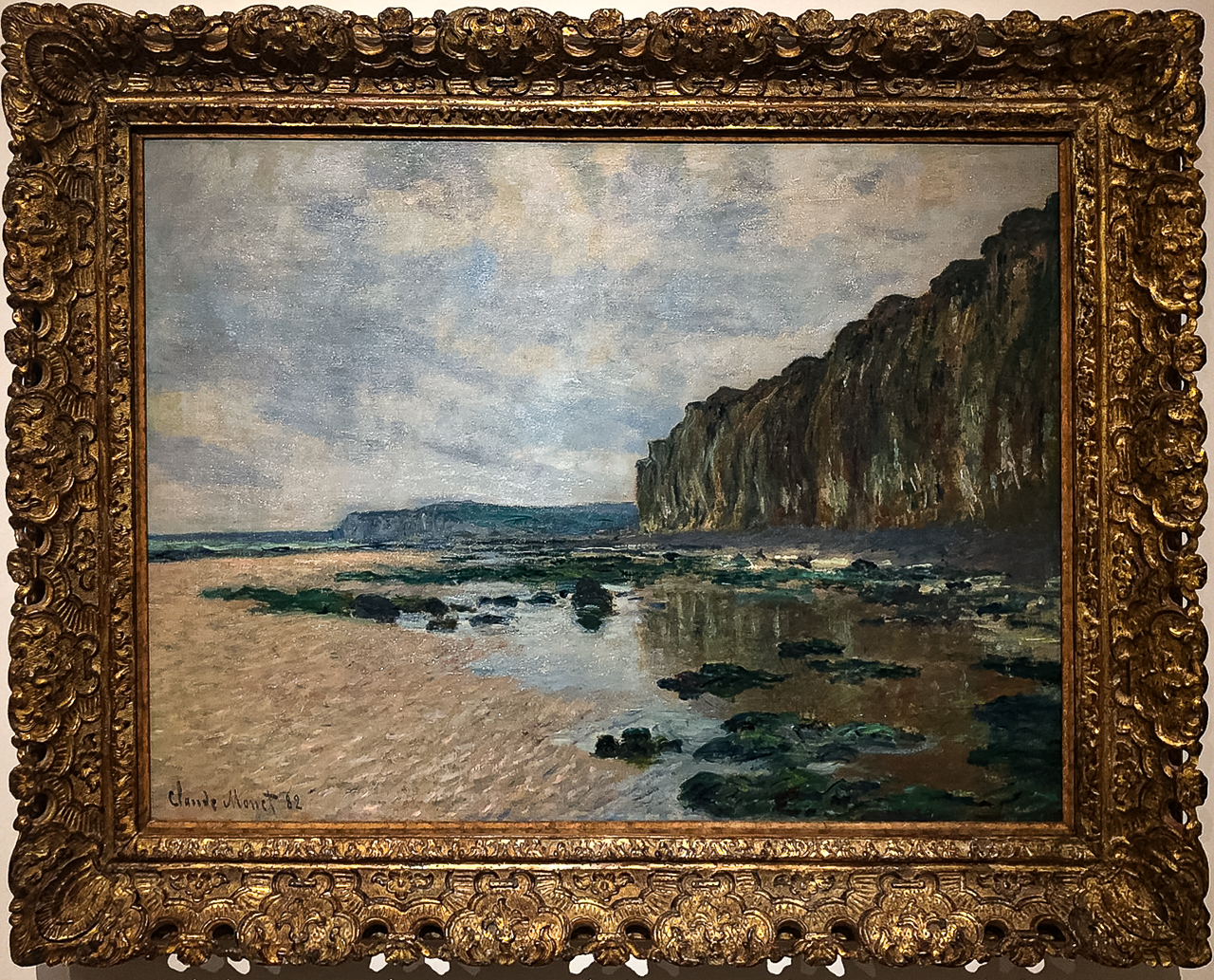
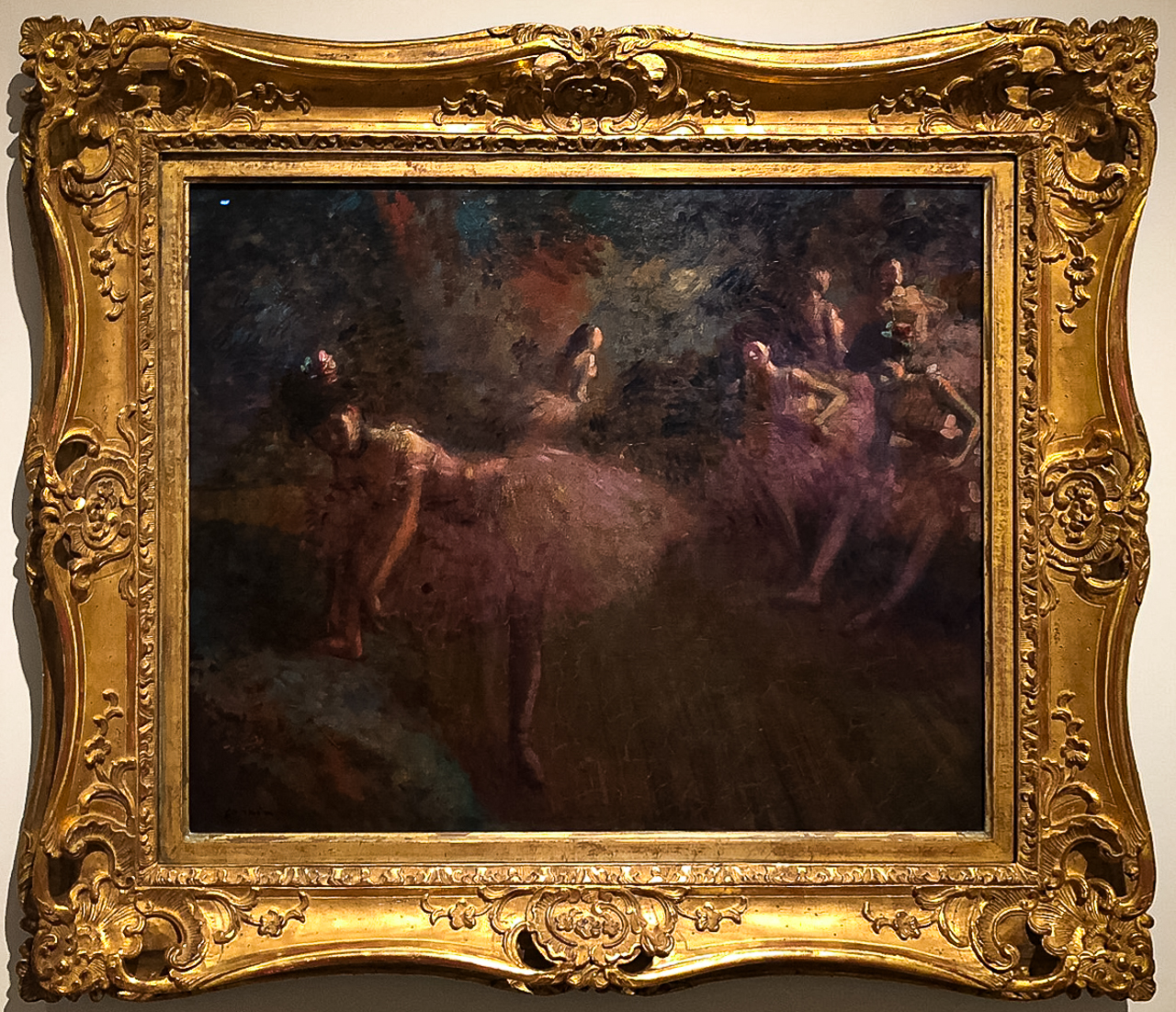
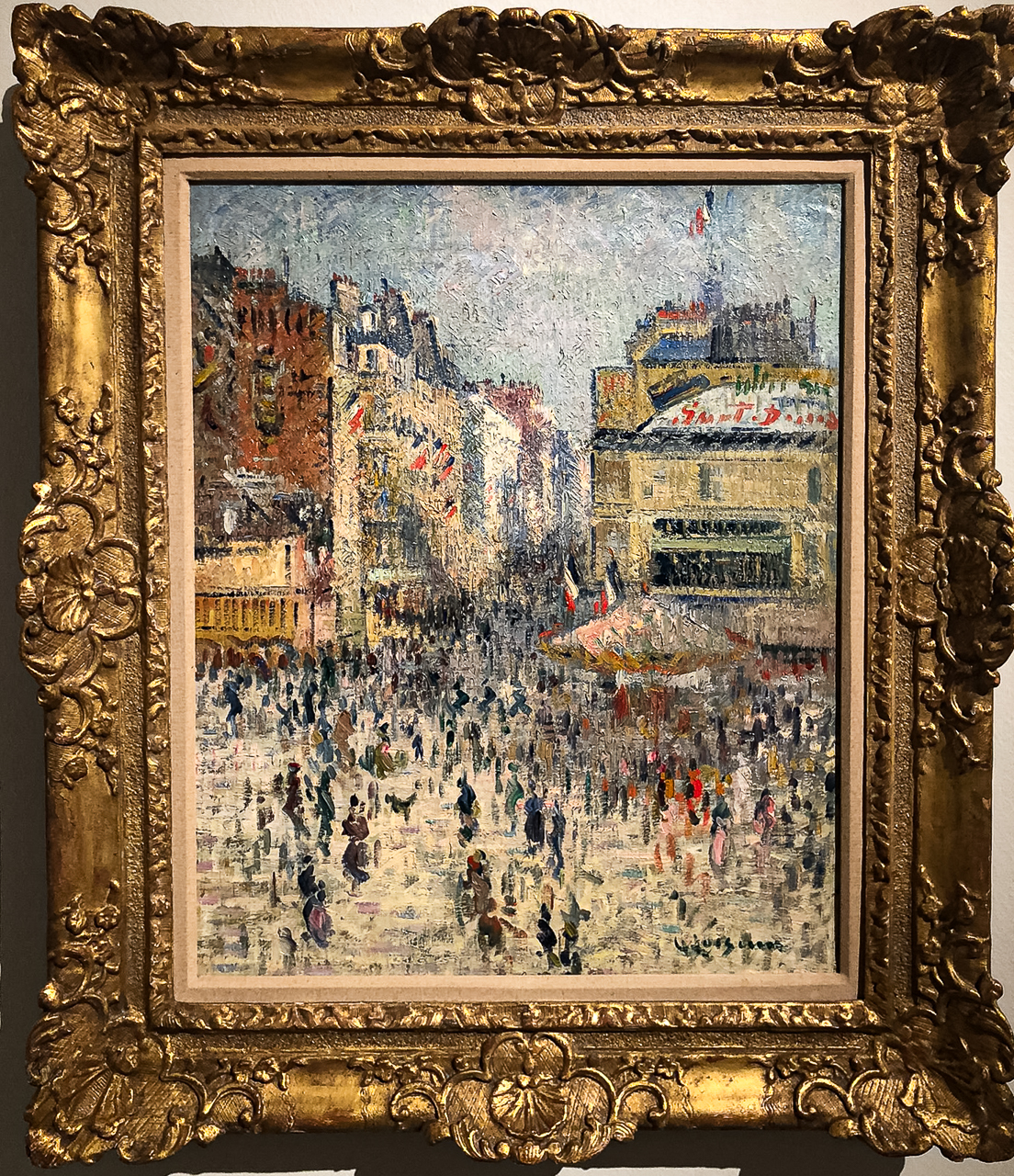
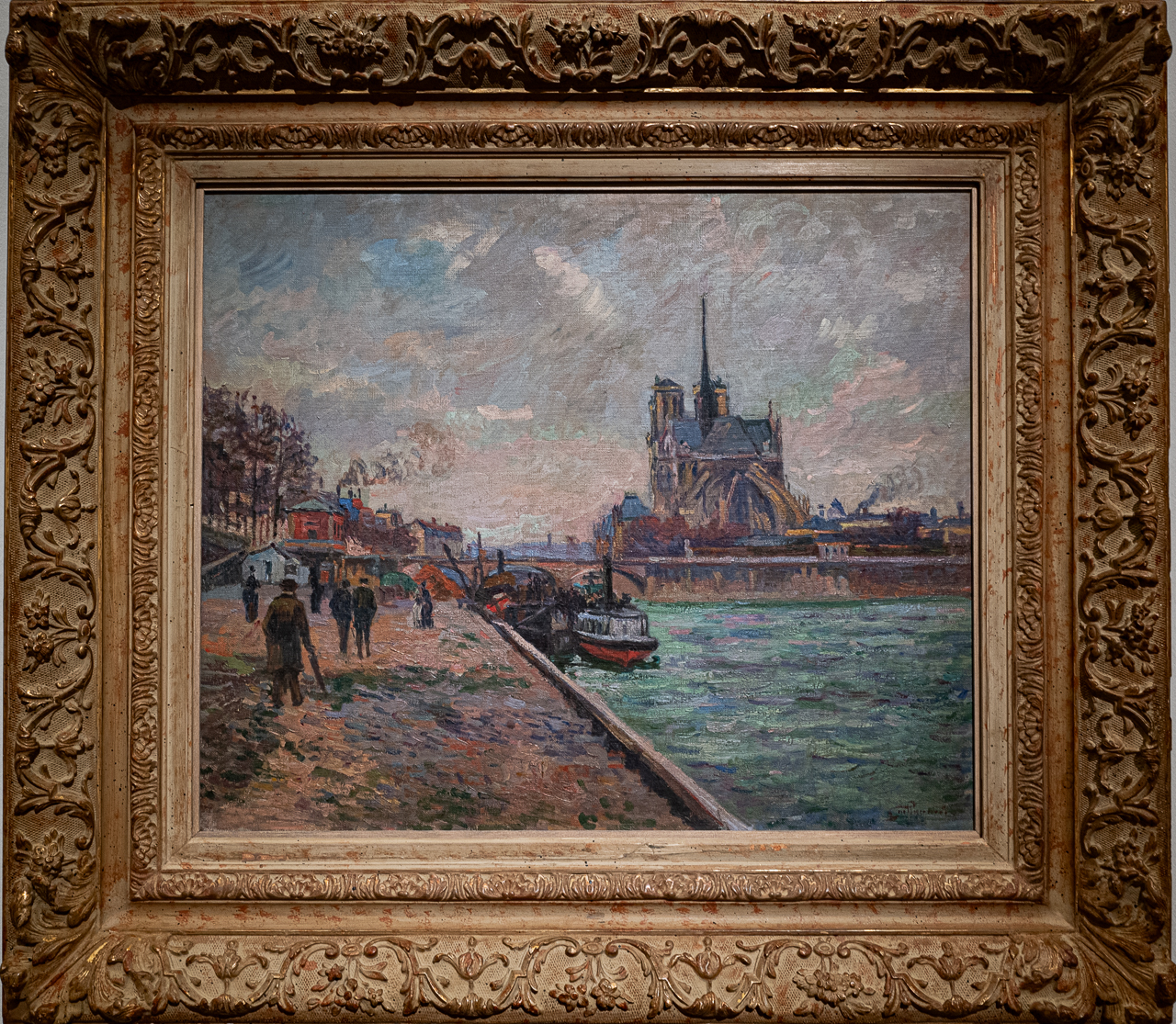
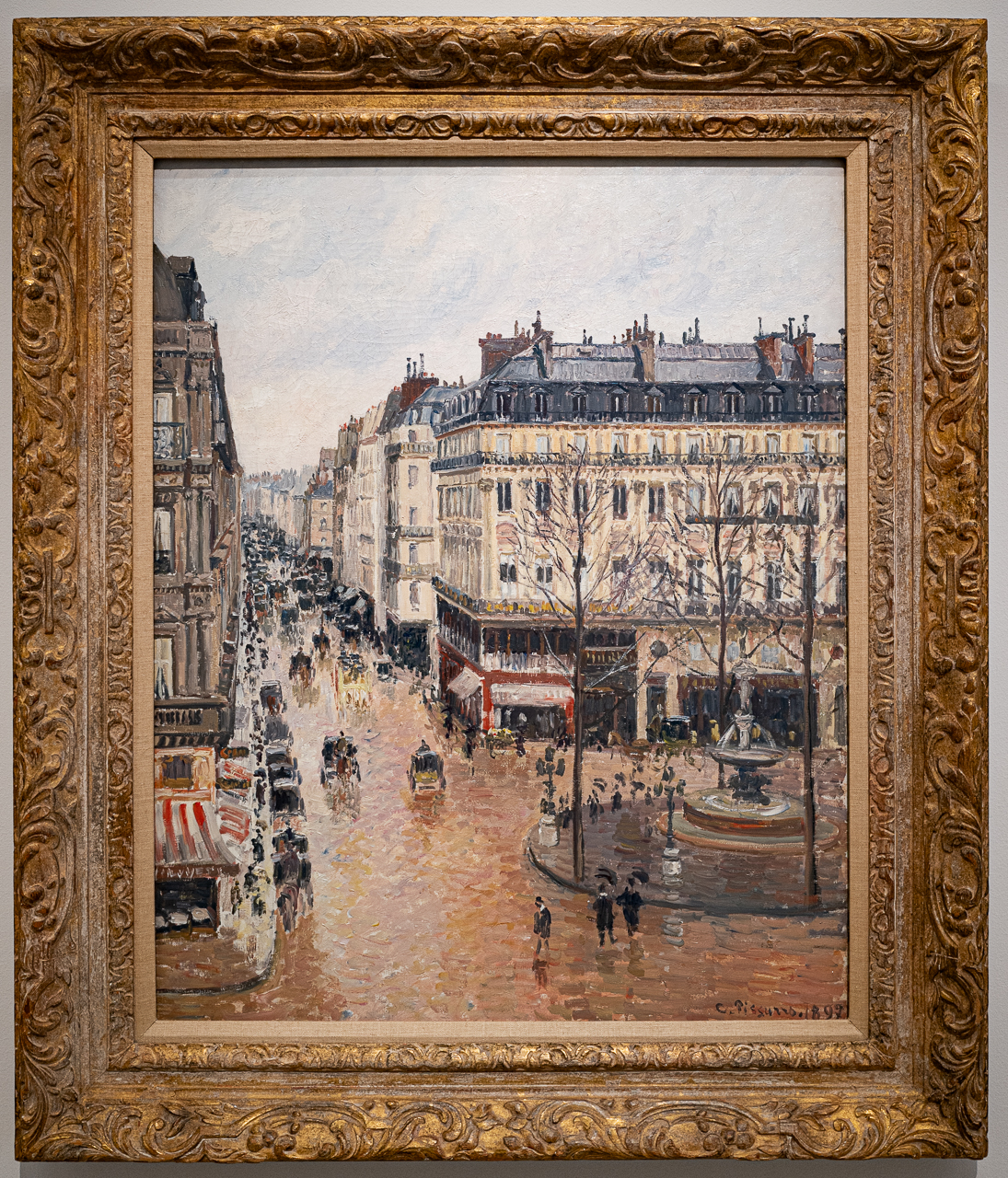
These artists and the paintings presented were quite interesting. We tend to think of Monet, Degas, Pissaro, Corot, and others by their famous paintings in the Impressionist style. Here though, were pieces where you could see their evolution, and how the influence of what else was going on in the art world, changed them. One of the most amazing evolutions was that of Gaugain. There were seven paintings of his that were dark, of average subjects, and honestly nothing special. Eight years though, following his relocation to Tahiti, his style was utterly changed.




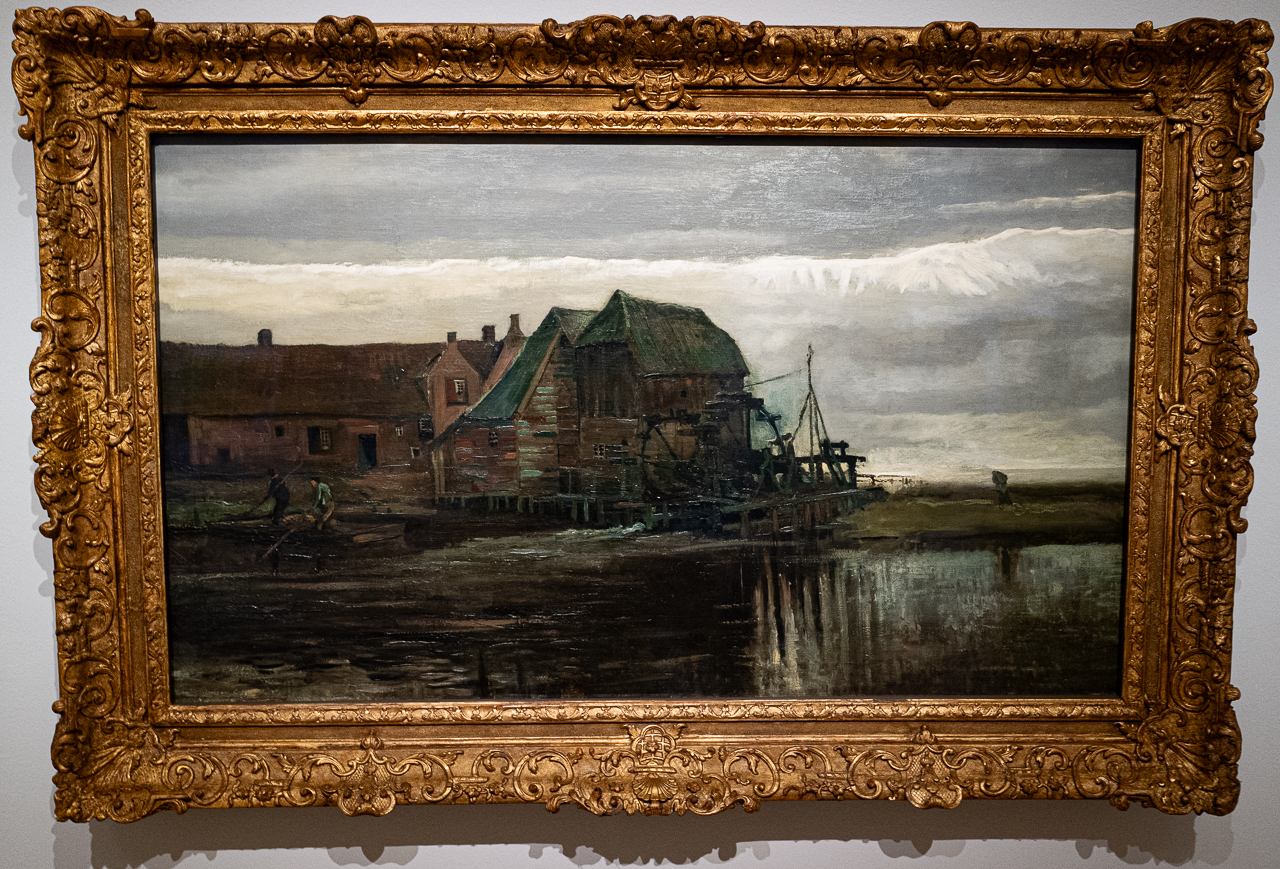
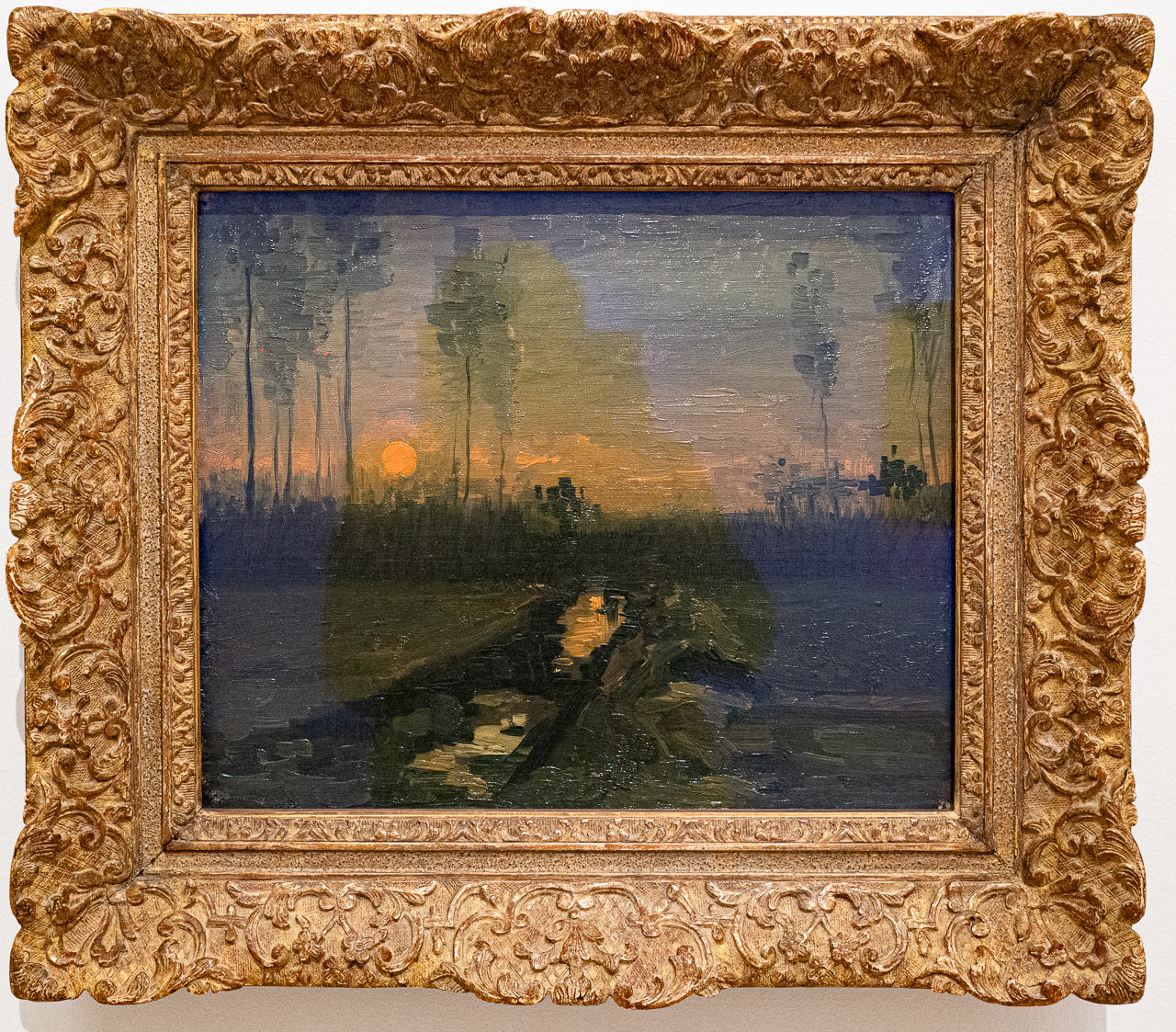
Vincent Van Gogh
There were four Van Gogh’s in the collection, three were what we typically expect from that artist. Like many of his peers, his evolution as a painter was evident in the pieces they had.


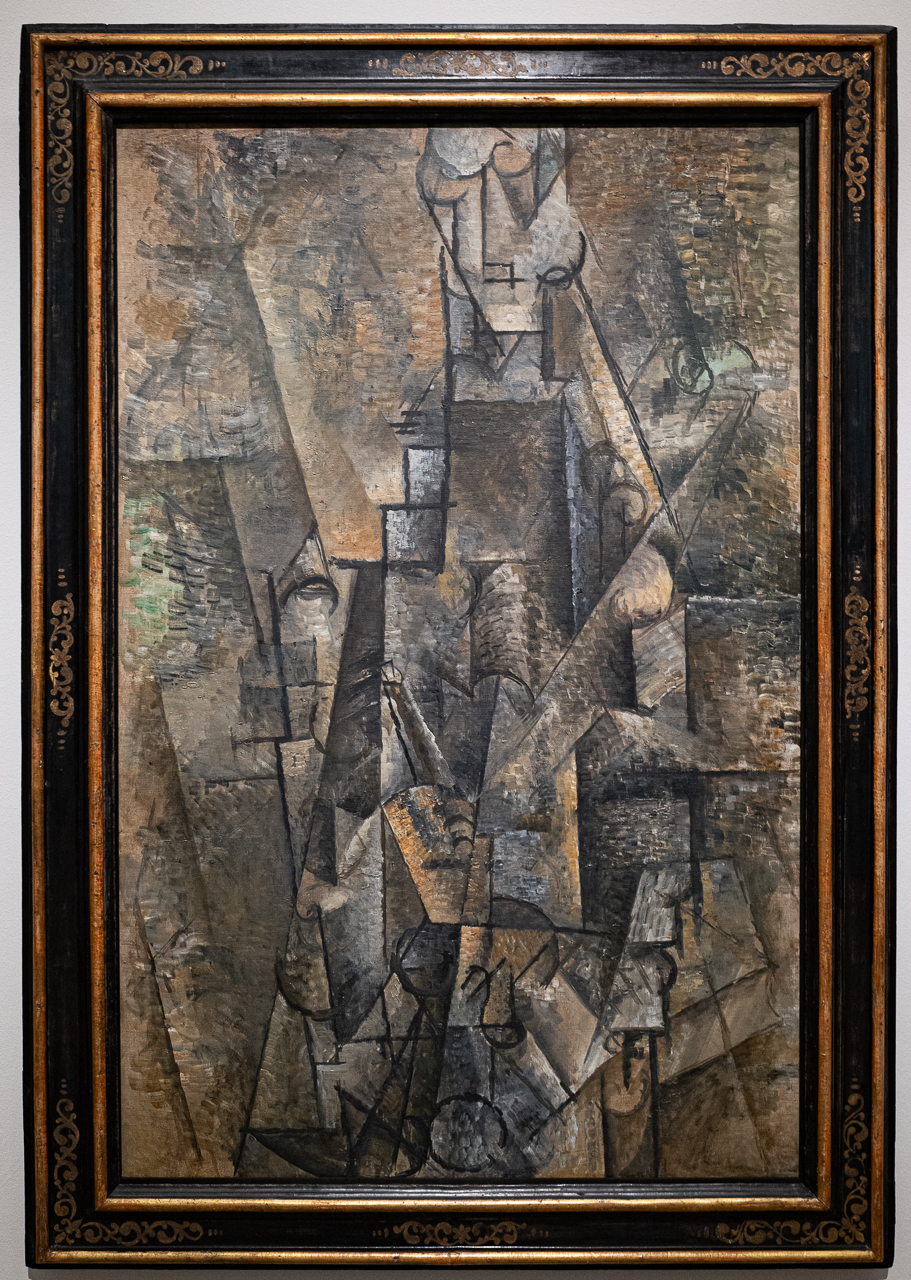
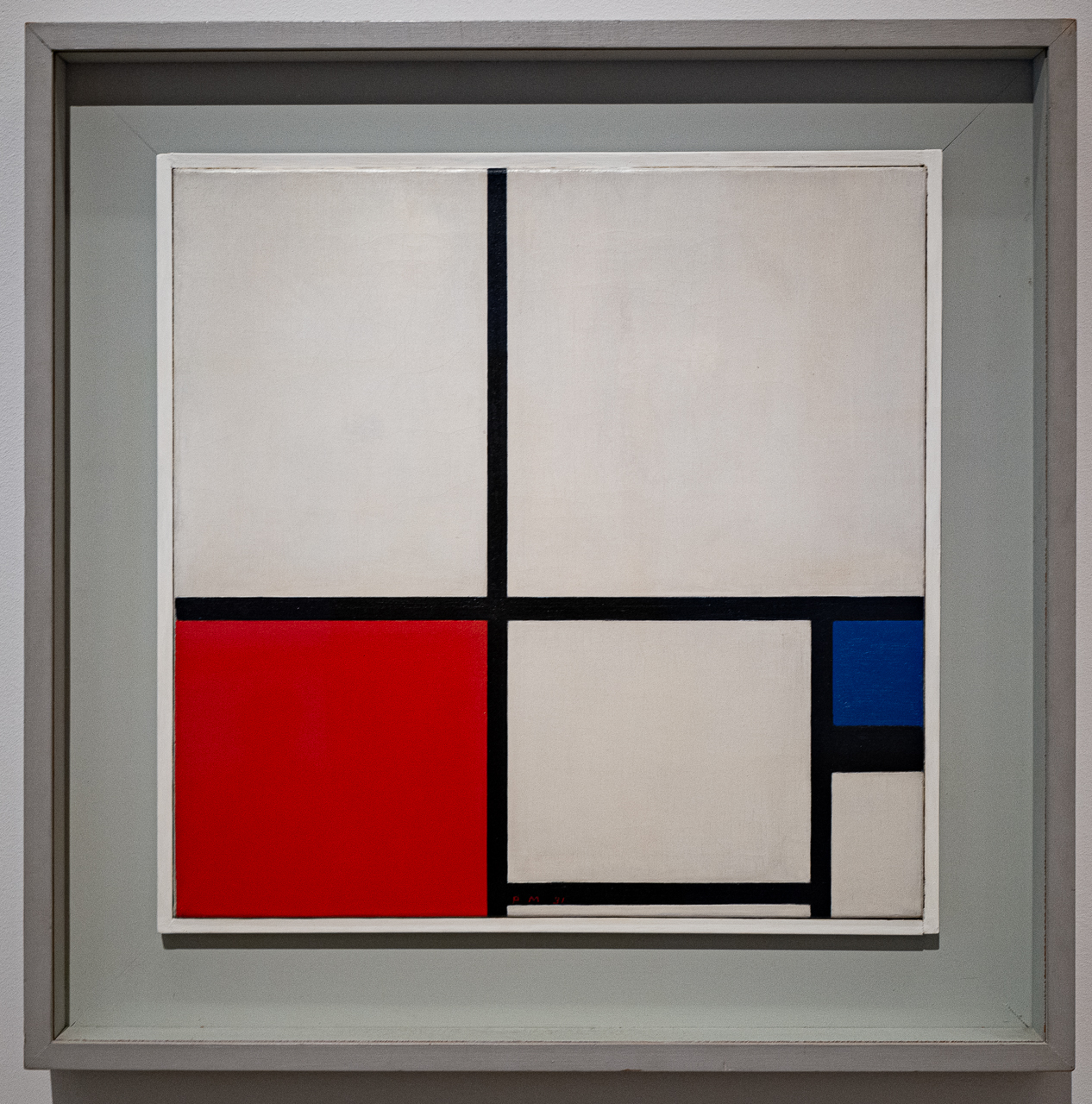
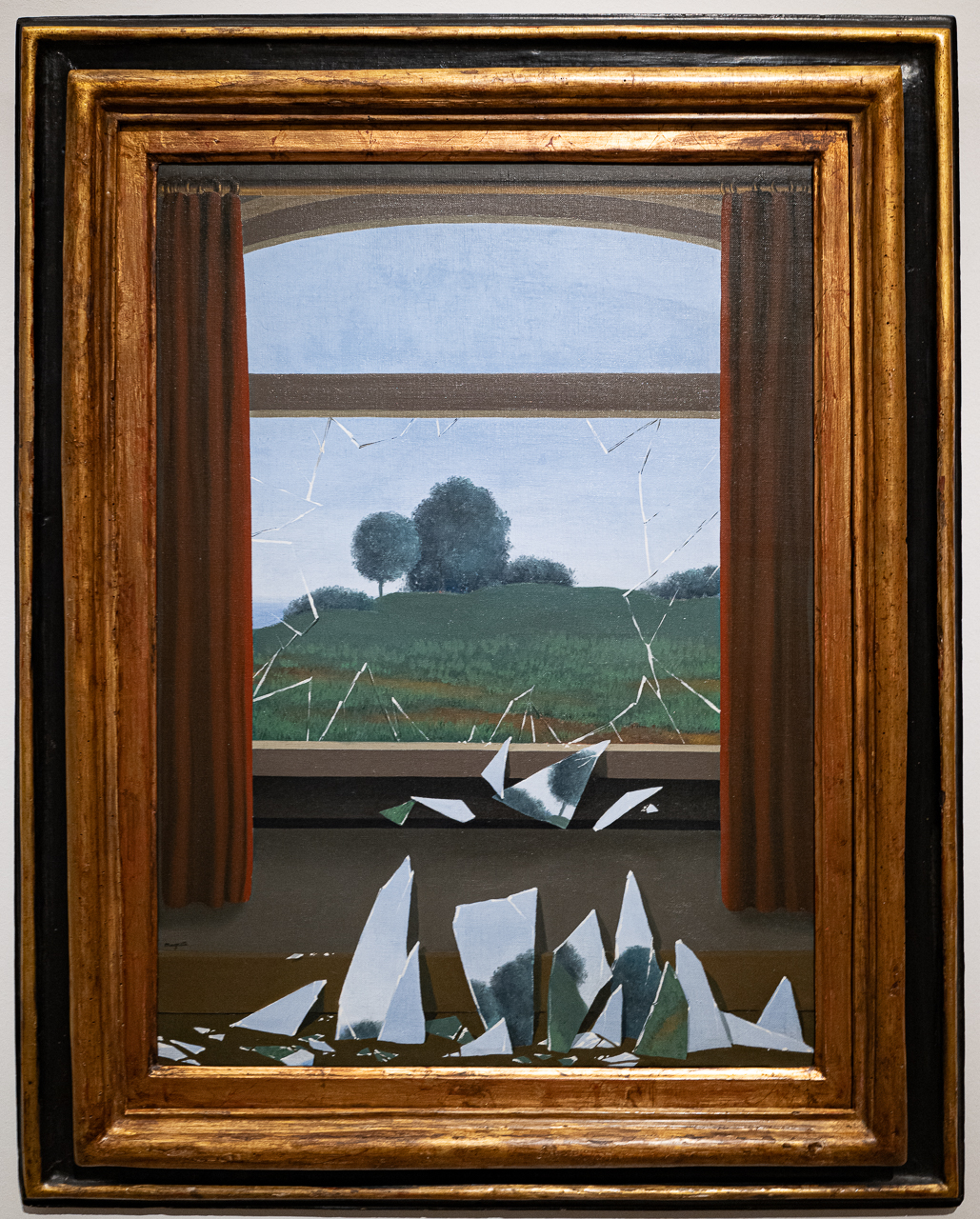
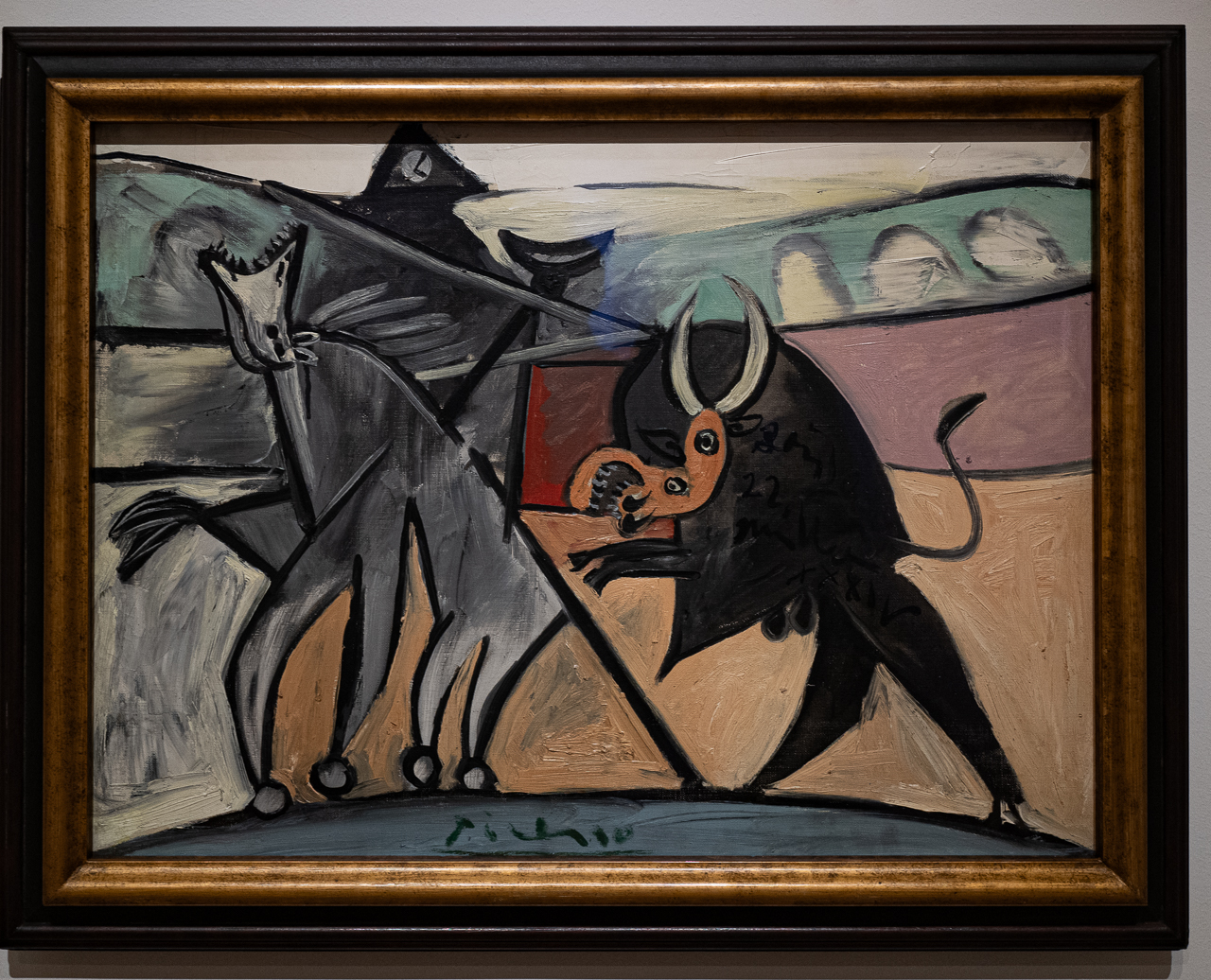
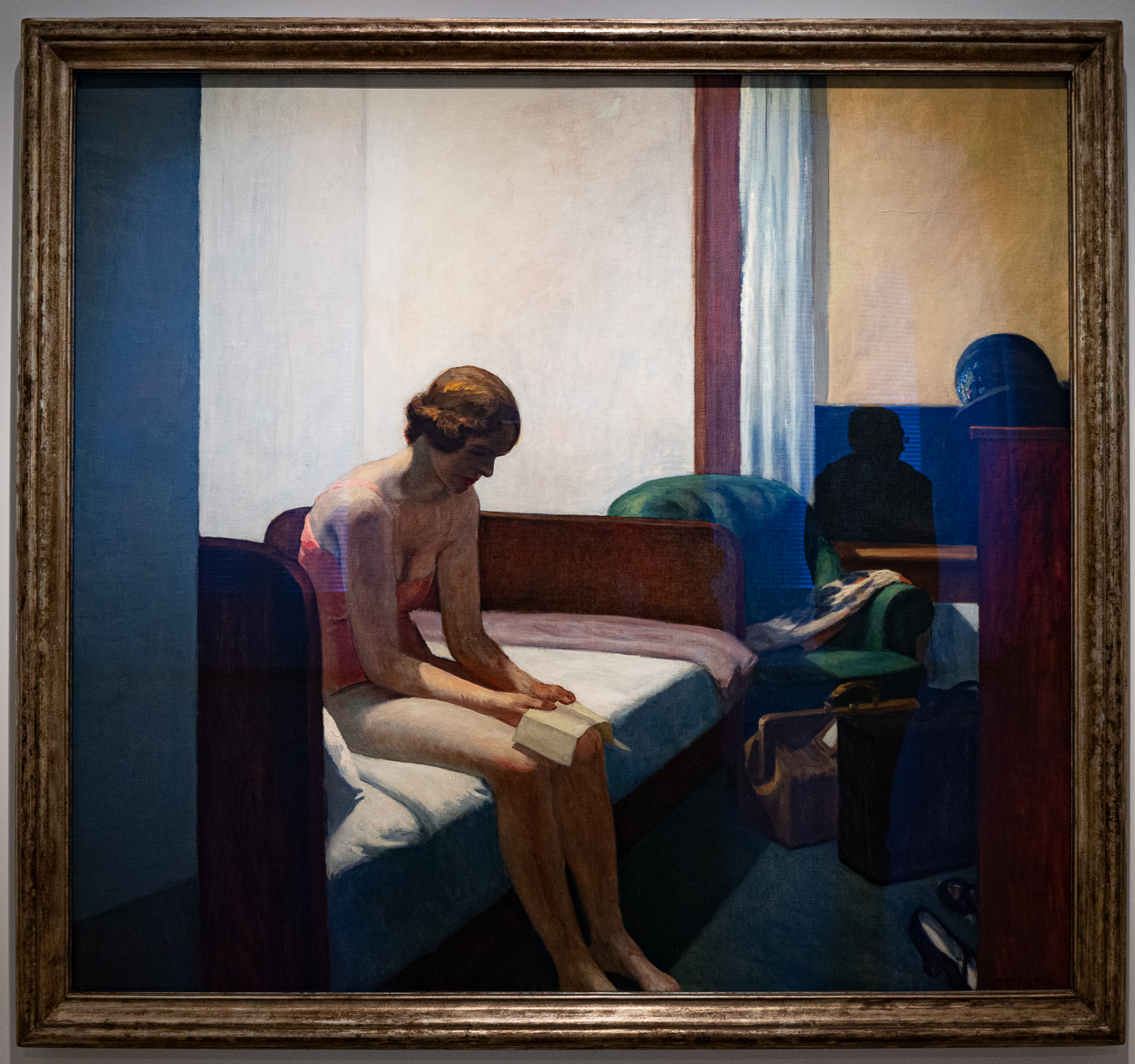
Modern – Picasso, Mondrian, Magritte, Dali
Modern Art is no longer my cup of tea despite being a huge fan when I was a college student. Perhaps it’s a requirement of youth to “like” this genre and eventually you grow out of it. I do appreciate how they came about and the forces that drove them, so I’m including a few for any fans.



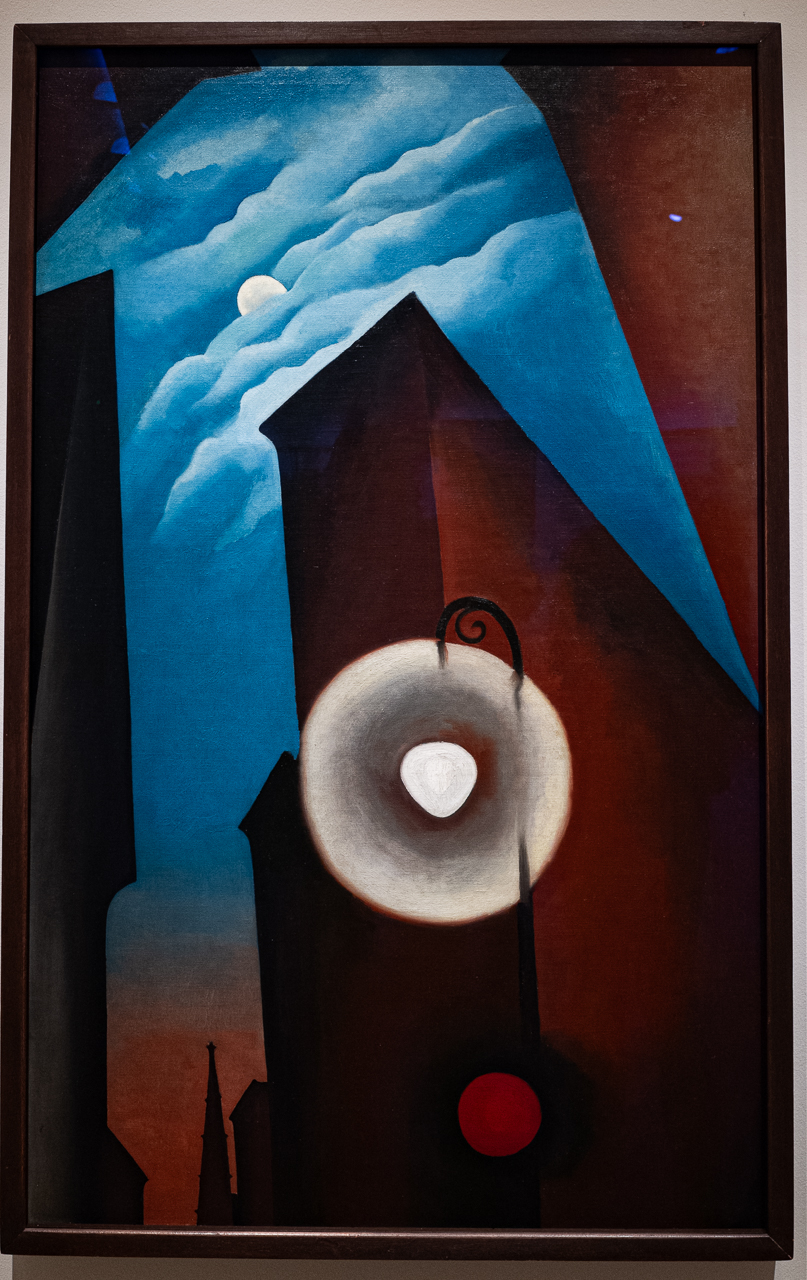
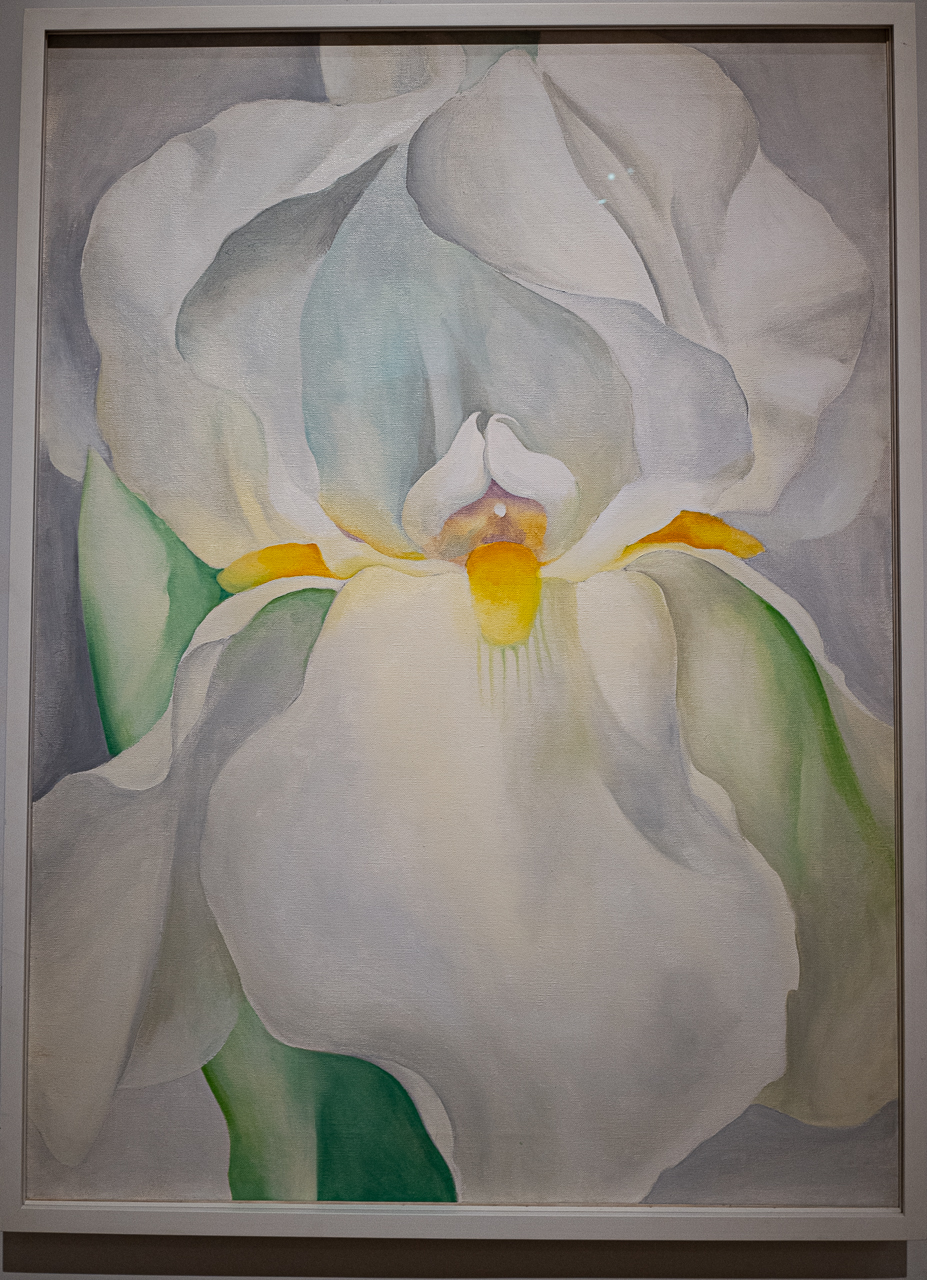
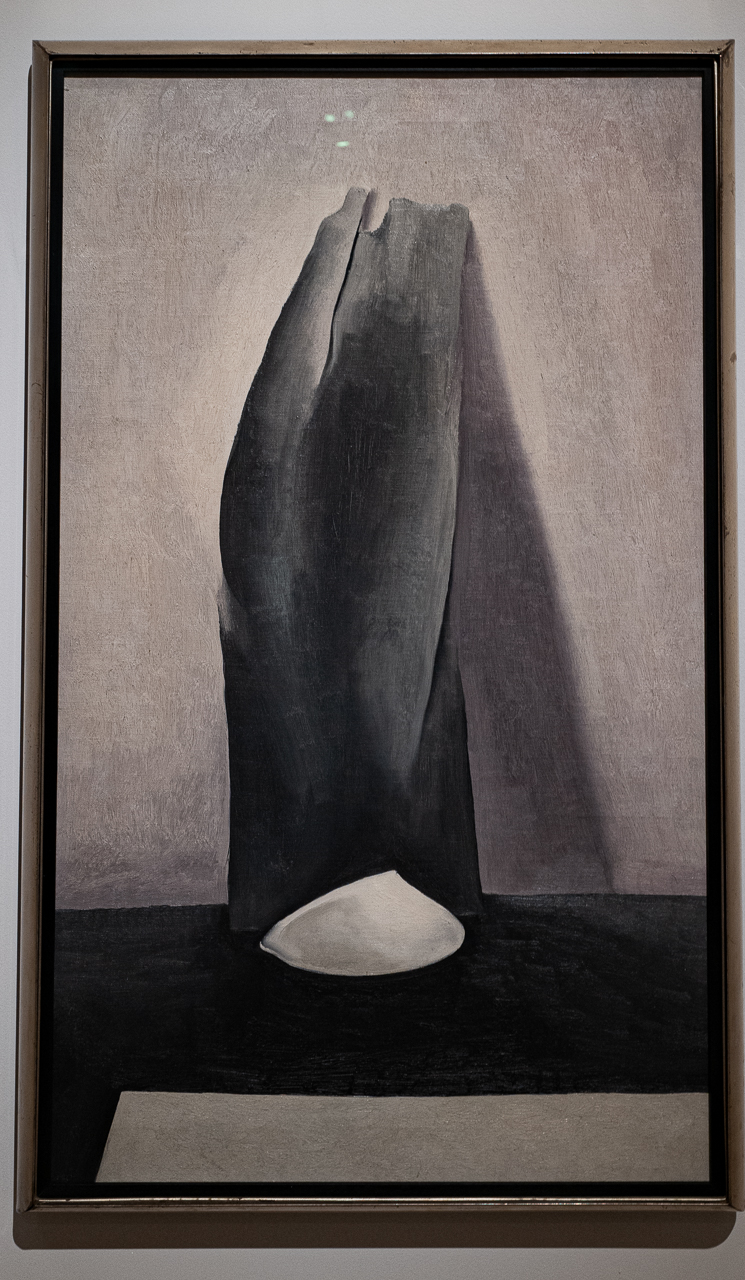
Georgia O’Keefe
Georgia O’Keefe
I was surprised (as a New Mexican) to find four pieces by our state’s most famous artist. I was a great opportunity to see how her work evolved from in her time in New York to her life in the desert Southwest.


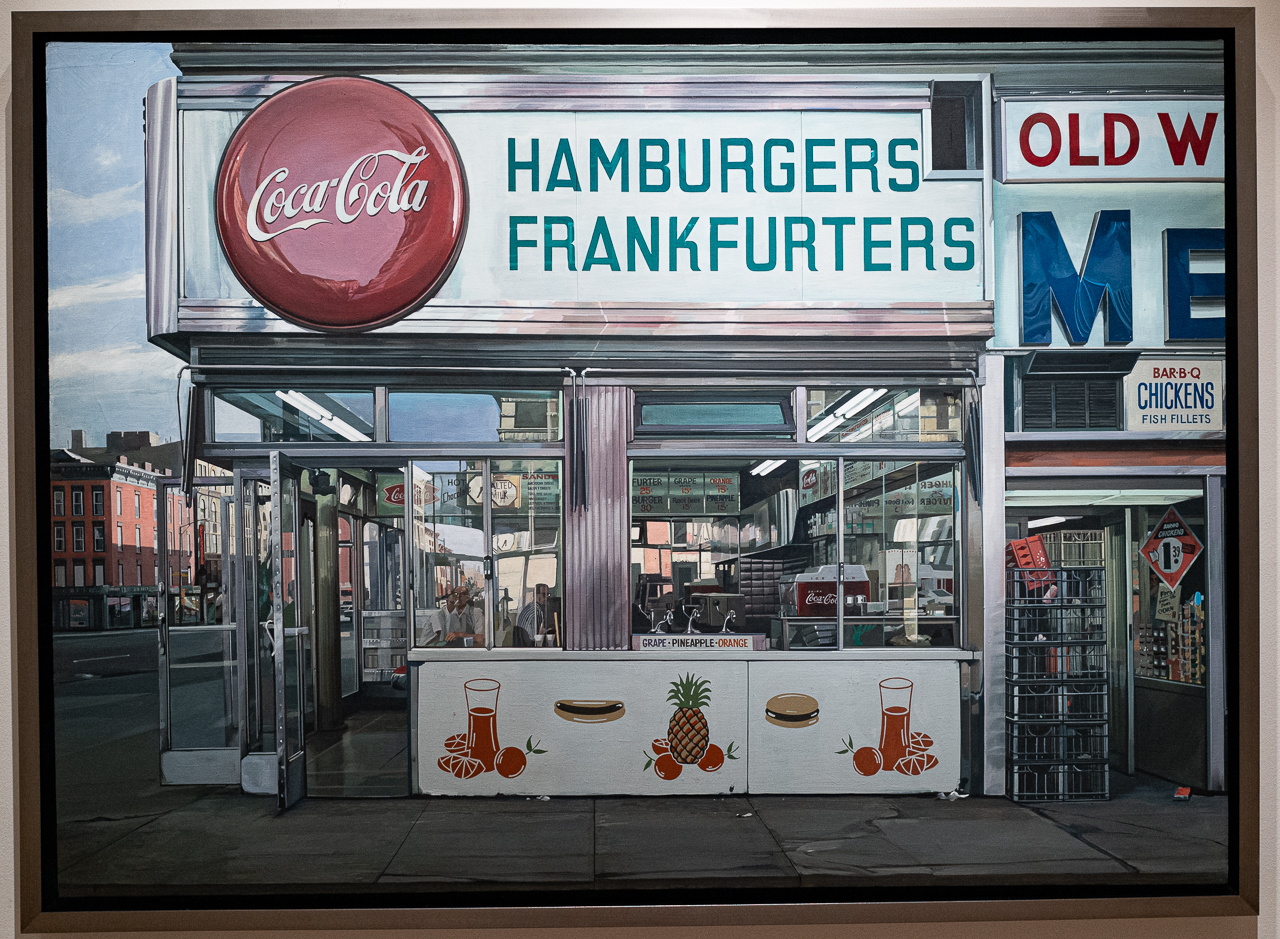
Richard Estes
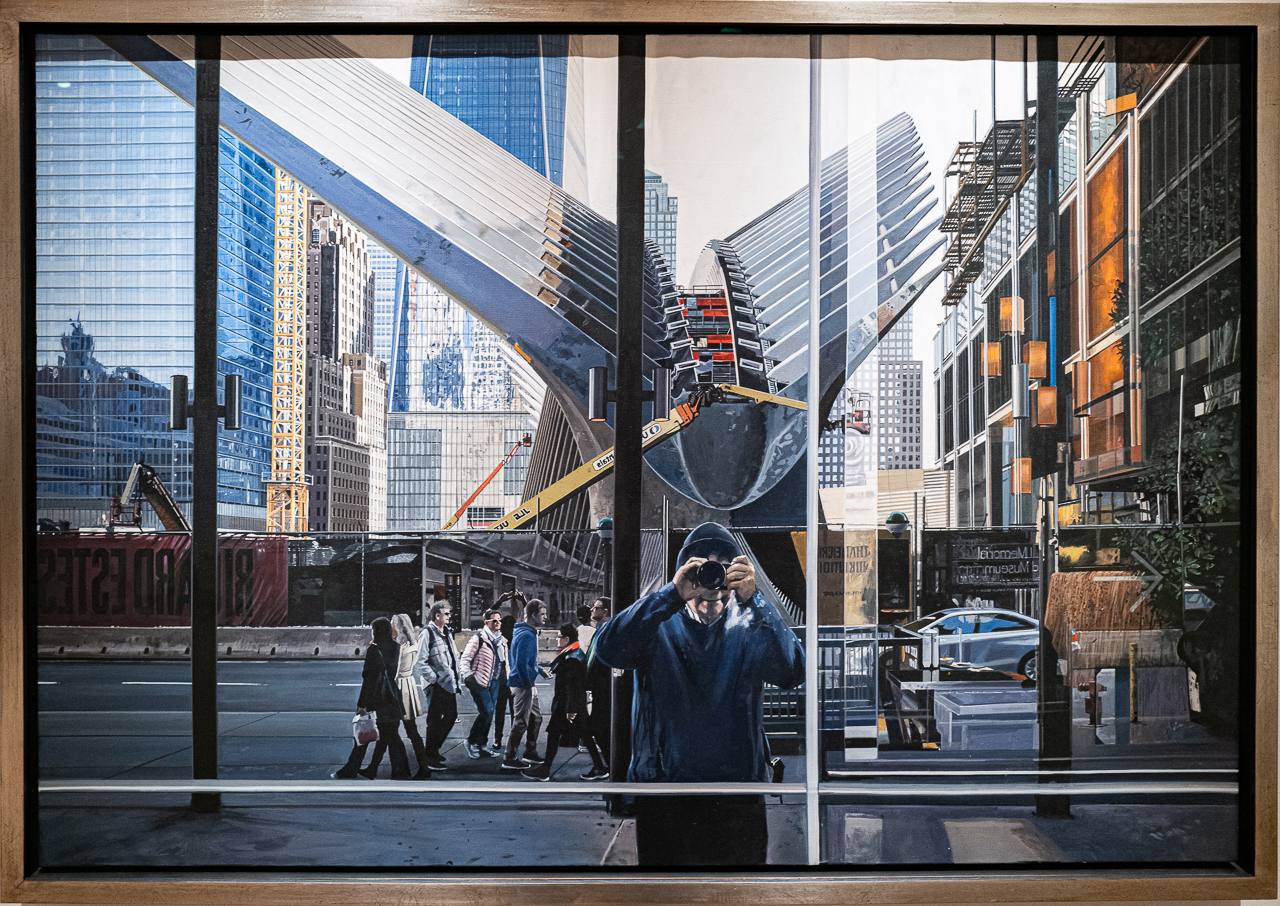
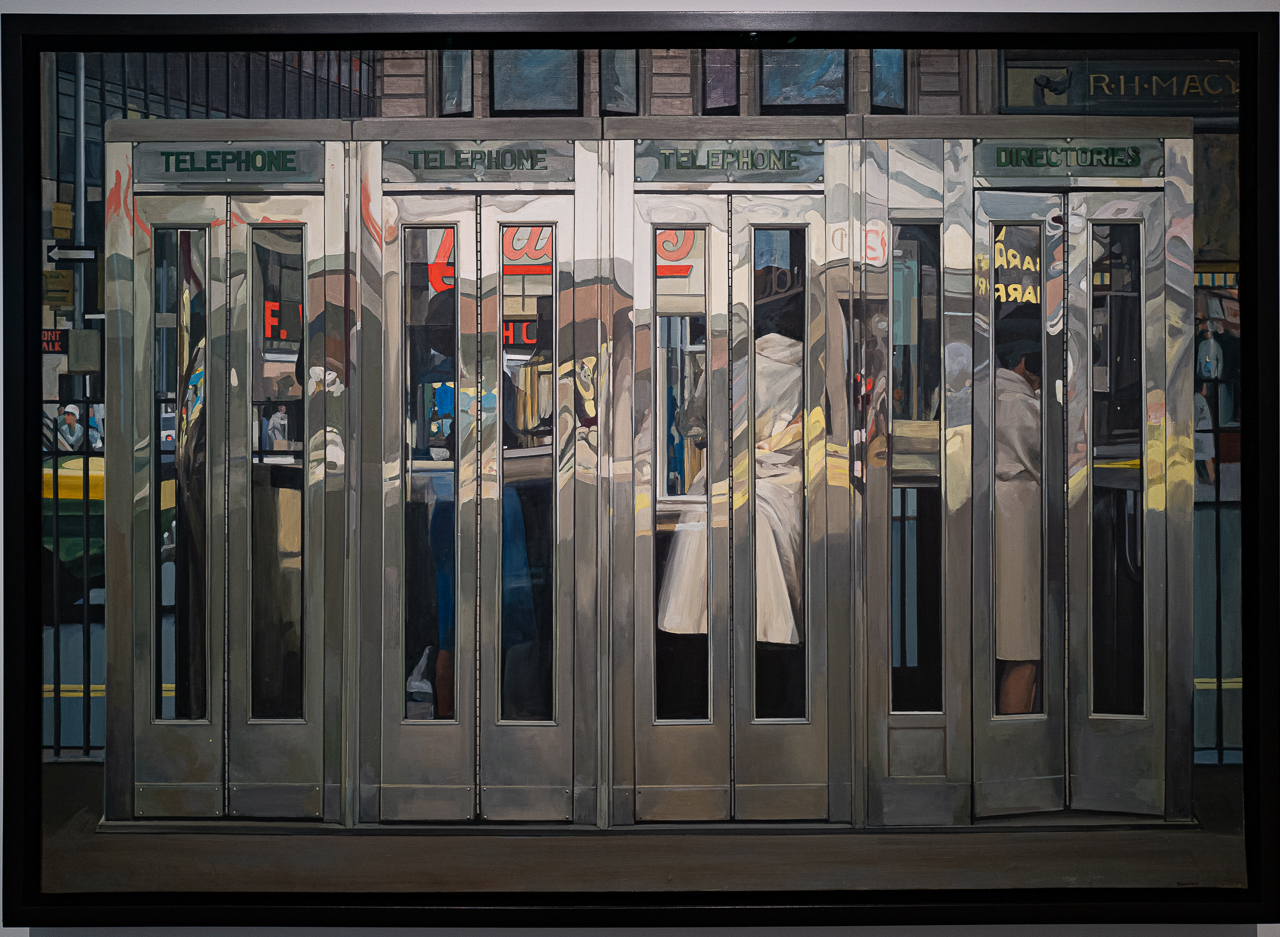
While not a fan of Modern in general, I do love Photorealism and I was pleasantly surprised to find three of Richard Estes’ most famous pieces. The technique and skill it takes to make a large canvas look like a photograph is amazing in my humble opinion.
 tbaroundtheworld
The fractured, mirrored image of part of the 9/11 memorial is breathtaking.
Thank you for sharing all the art you did from that museum 😀 Safe Journey! ❤
Wow! Save the best till last. I managed to get to the Thyssen Collection while it was still in Lugano. However, I was disappointed as it mostly or only had old and classical paintings by no one I recognised. I was more caught up in the fabric of the drapes and upholstery. Apparently at that time, the modern paintings were in NYC, and I guess the various periods were spread around in other residences. I think you mentioned something to this effect in your previous blog. I really appreciate the many photos illustrating the artists development.
>