
It was laundry day today which traditionally means heading to the internet to find an English-language manual for whatever washing machine we’re going to use. Although the rental agency that manages this place did provide a nice online guide to living here, the washing machine instructions were a bit, sparse. “Turn it on, select the recommended program, throw the detergent pod in the drum, and push start.” That’s nice unless you want to know which of the 3 trays is used for the soap powder that you brought along. Five minutes of research and we had the answer.
I’d forgotten how long the cycles run on these tiny machines and so rather than sitting around watching the drum turn we thought we’d go have coffee and return later to put the wet stuff on the racks. It was a cool morning and I was glad I’d decided on a sweater in addition to my jacket. The last two afternoons have been hot – typically Sevilla – so this was a welcome change. Less welcome was the stiff wind blowing down Avenida Constitución. “Just like home” was my first thought.
The baristas at the coffee shop have somehow managed to remember our names over the last 3 days, an amazing thing in my opinion given that they must serve a thousand tourists and locals per day. Yesterday we got on a first-name basis with Amadu, one of the two that are typically there. The other fellow this morning actually remembered our order – a Chai with two shots and an iced Americano. We grabbed a table outside and turned to people-watching, our favorite morning activity. This morning we focused on shoes and marveled how white soles have become de rigeur on just about every casual shoe design. After an hour, we went back home, hung out the laundry, and left again in the direction of our goal from yesterday, Casa de Pilato.
Casa de Pilato
We’d visited the Casa on our first trip to Sevilla and had not returned on subsequent visits aside from a couple of stops in the gift shop which has the best stuff. We thought it was time for a re-visit so after trying to find the daily New York Times we wandered off in search of the correct cross street. Preparations for Semana Santa were going on all around us, with banners being hung, palm fronds being delivered, and the most amazing local traffic jams being formed due to the trucks unloading their goods.
A bit of history, (Credit: Chris Chaplow and Andalucia.com) –
“The initial construction of the house was begun by Pedro Enríquez de Quiñones (1435-1492), IV Chief Governor of Andalucía, a noble title bestowed by the King, and his second wife Catalina de Rivera, founder of the Casa de Alcalá, and completed by their son Fadrique Enríquez de Rivera (1476 – 1539), First Marquess of Tarifa.”
“In 1518 Don Fadrique departed on a Grand Tour of Europe and the Holy Land. Two years later he returned, enraptured by the architectural and decorative wonders of High Renaissance Italy. He spent the rest of his life fashioning a new aesthetic style of palace, which became very influential. Don Fadrique’s palace was called the Palacio de San Andrés, but from 1754 was referred to as the House of Pilate because some considered that it resembled Pontius Pilate’s home in Jerusalem.”
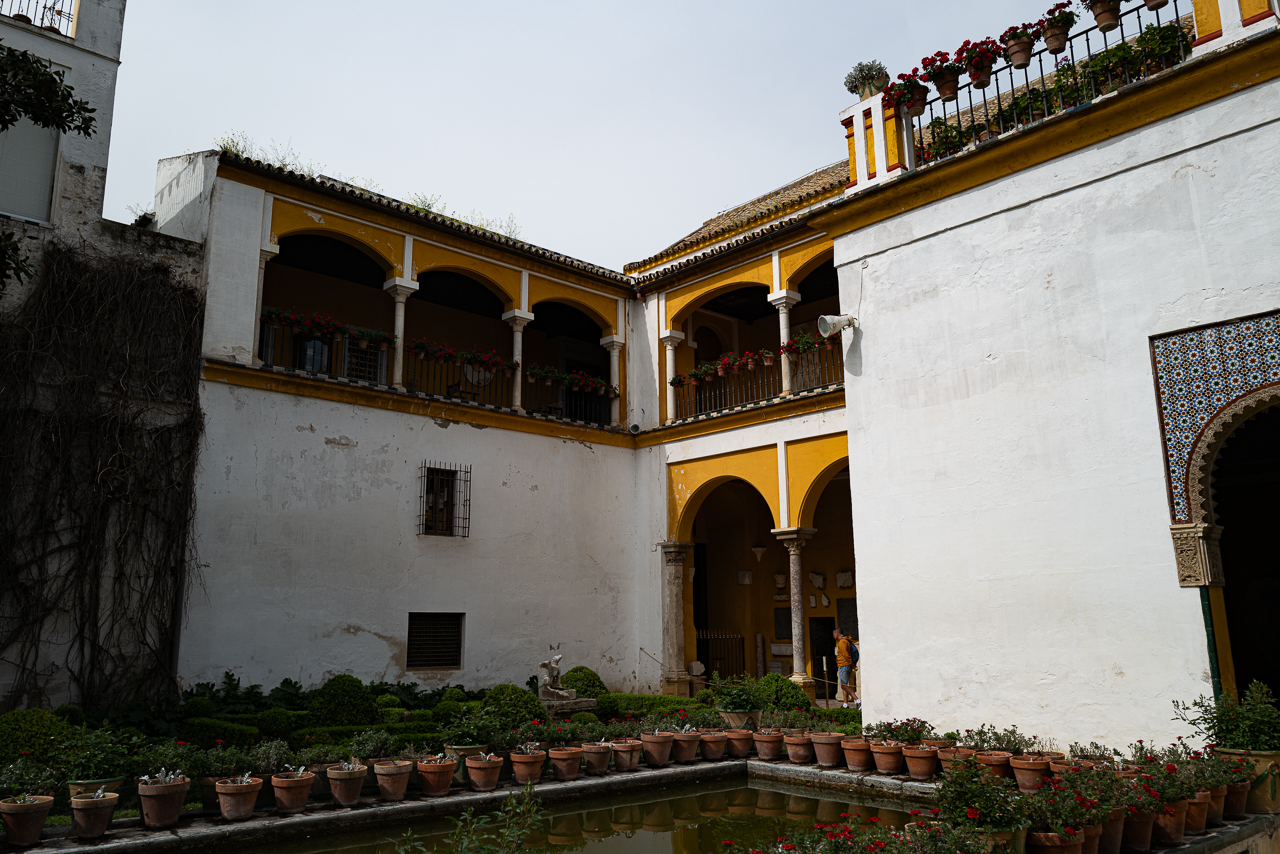
“After Don Fadrique died without leaving legitimate heirs, the estate passed to his nephew Per Afán Enríquez de Ribera (1509-1571). Per Afan was made 1st Duke of Alcalá in 1558 by King Philip II, in addition to Viceroy of Naples, where he acquired numerous marble antiques. To display his collection, instead of modifying the existing palace, in around 1568 he commissioned Neapolitan architect Benvenuto Tortello to build the three loggias that we see today in the Large Garden, with their arches, niches, and grotto to house the Roman statues and Renaissance copies.”
“The palace has been enlarged over the years, and rooms have been named along the theme of the Passion of Christ: Hall of the Praetorian and the Chapel of the Flagellations. The Large Garden and surrounding areas were a major addition. It was declared a National Monument in 1931.”
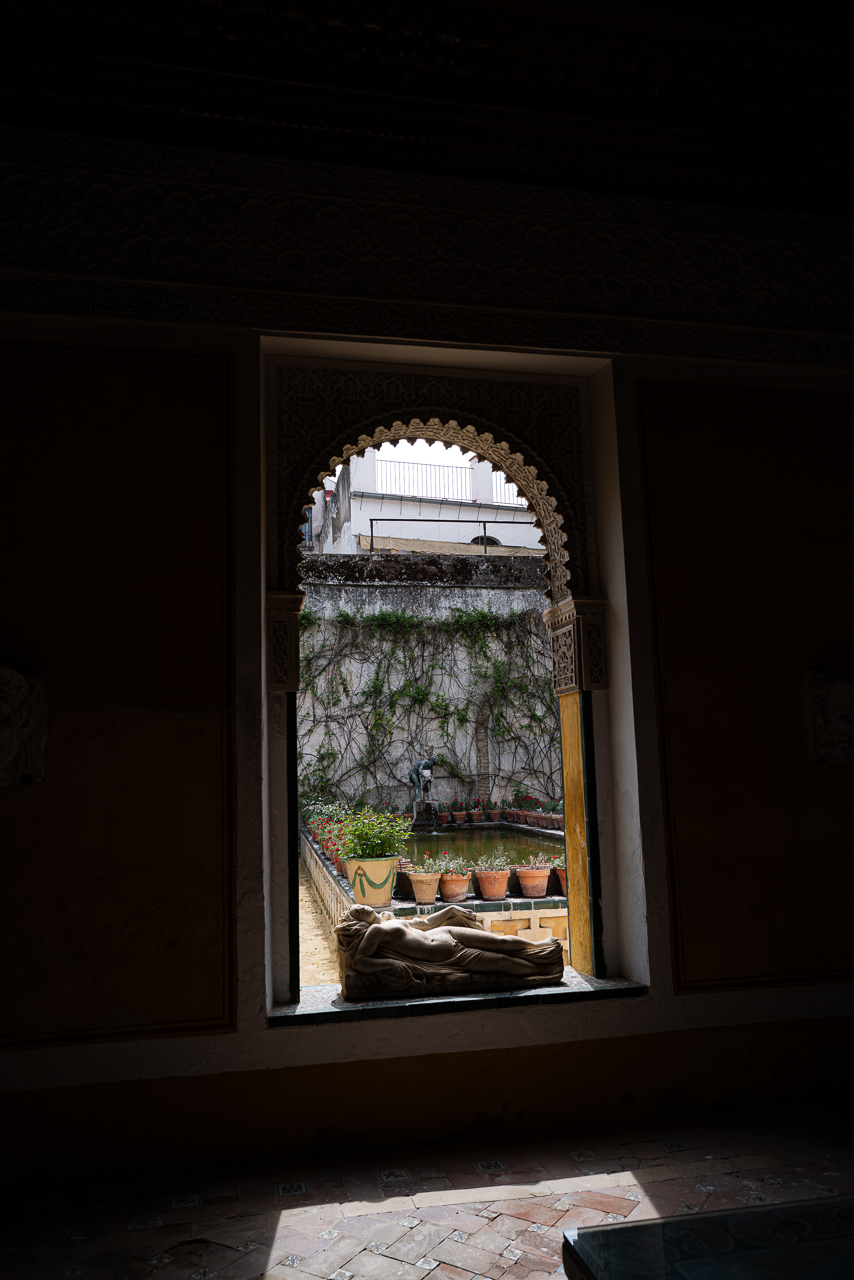
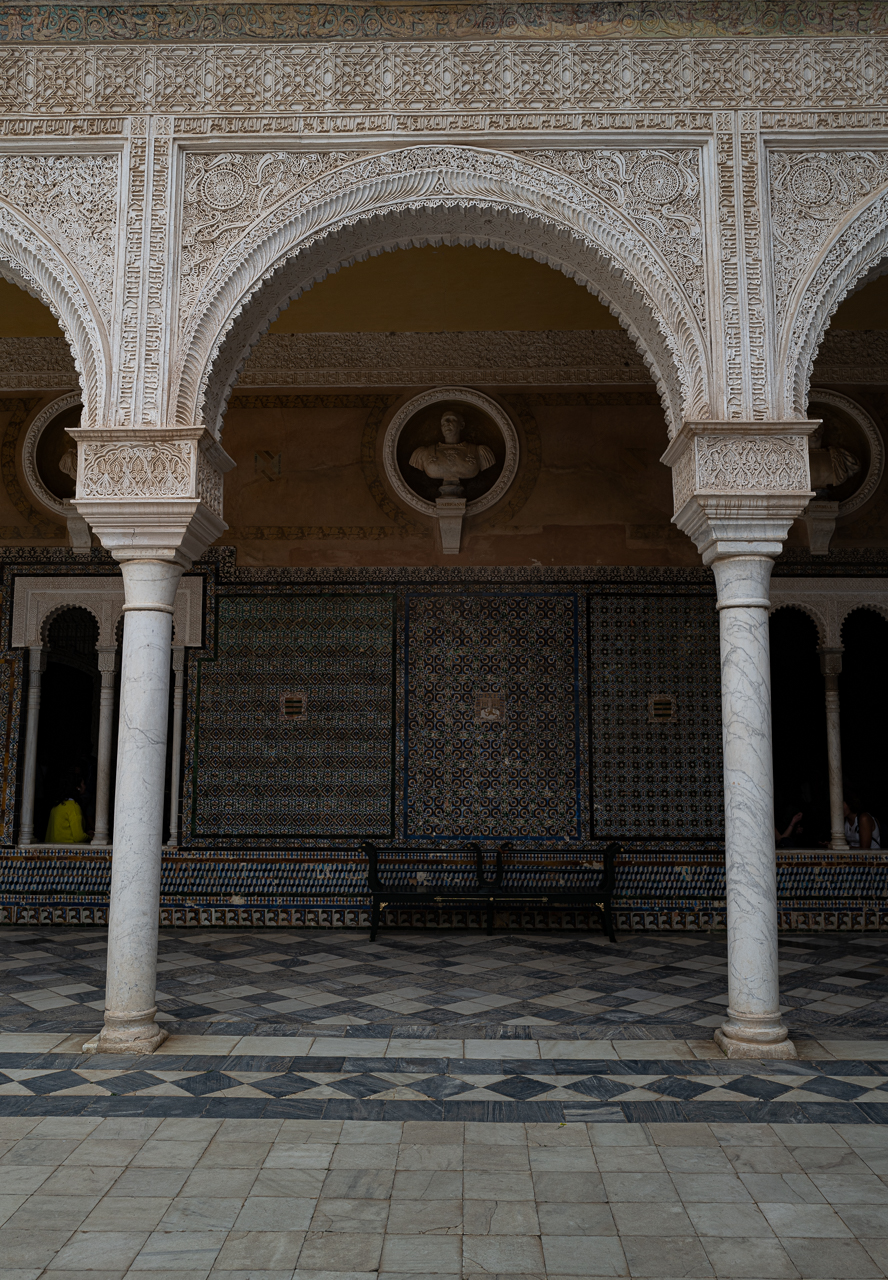
It’s a beautiful place, particularly if you like Mudejar (Arab-Spanish synthesis) architecture and design. The rooms are cool and dark, configured to deal with the hot Andalusian sun, and for whatever reason, the vibe of the place is very relaxing. The real star of the show in buildings of this style is the tile work. You could spend days going from panel to panel and taking a photo of each one.
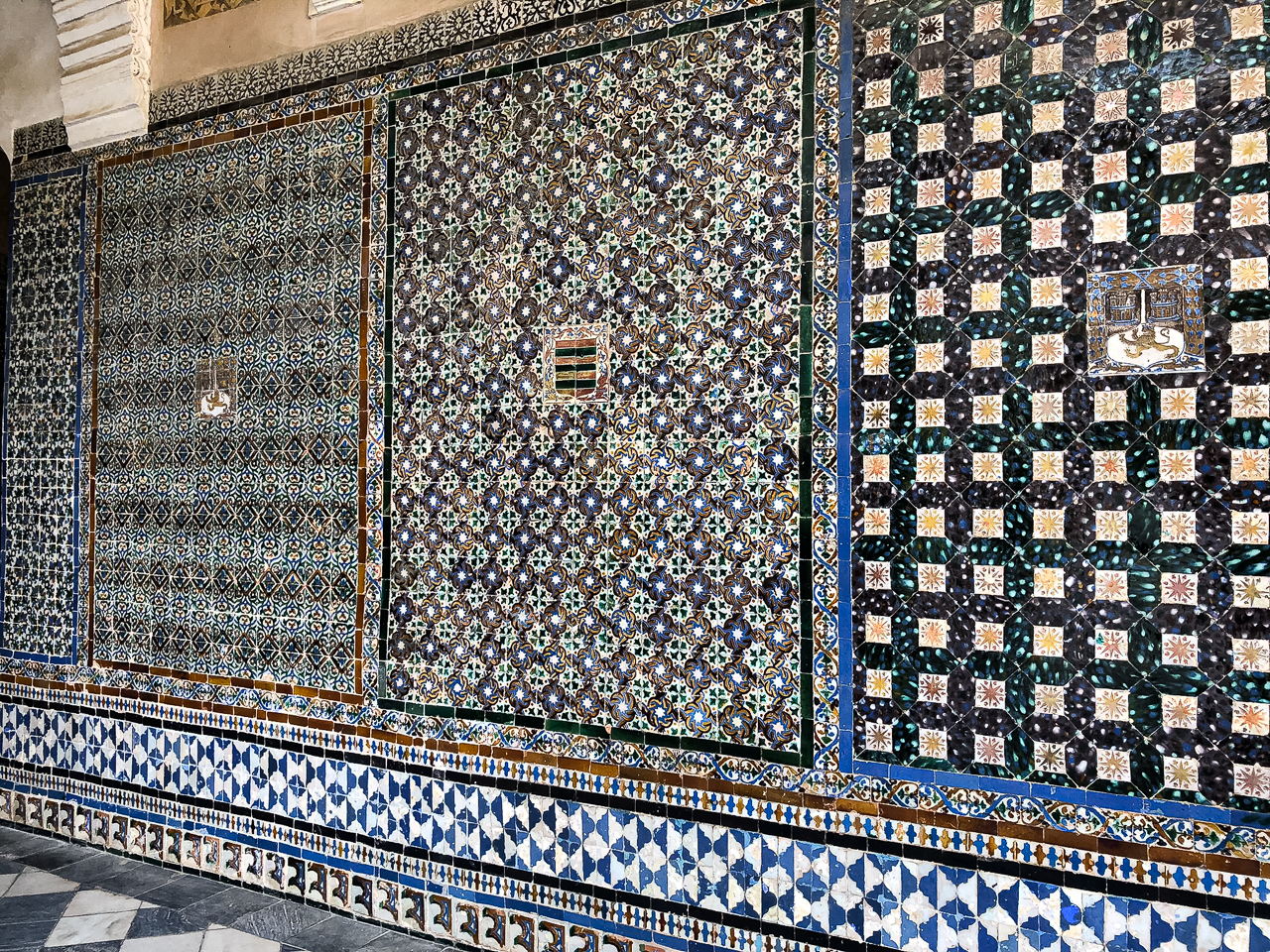
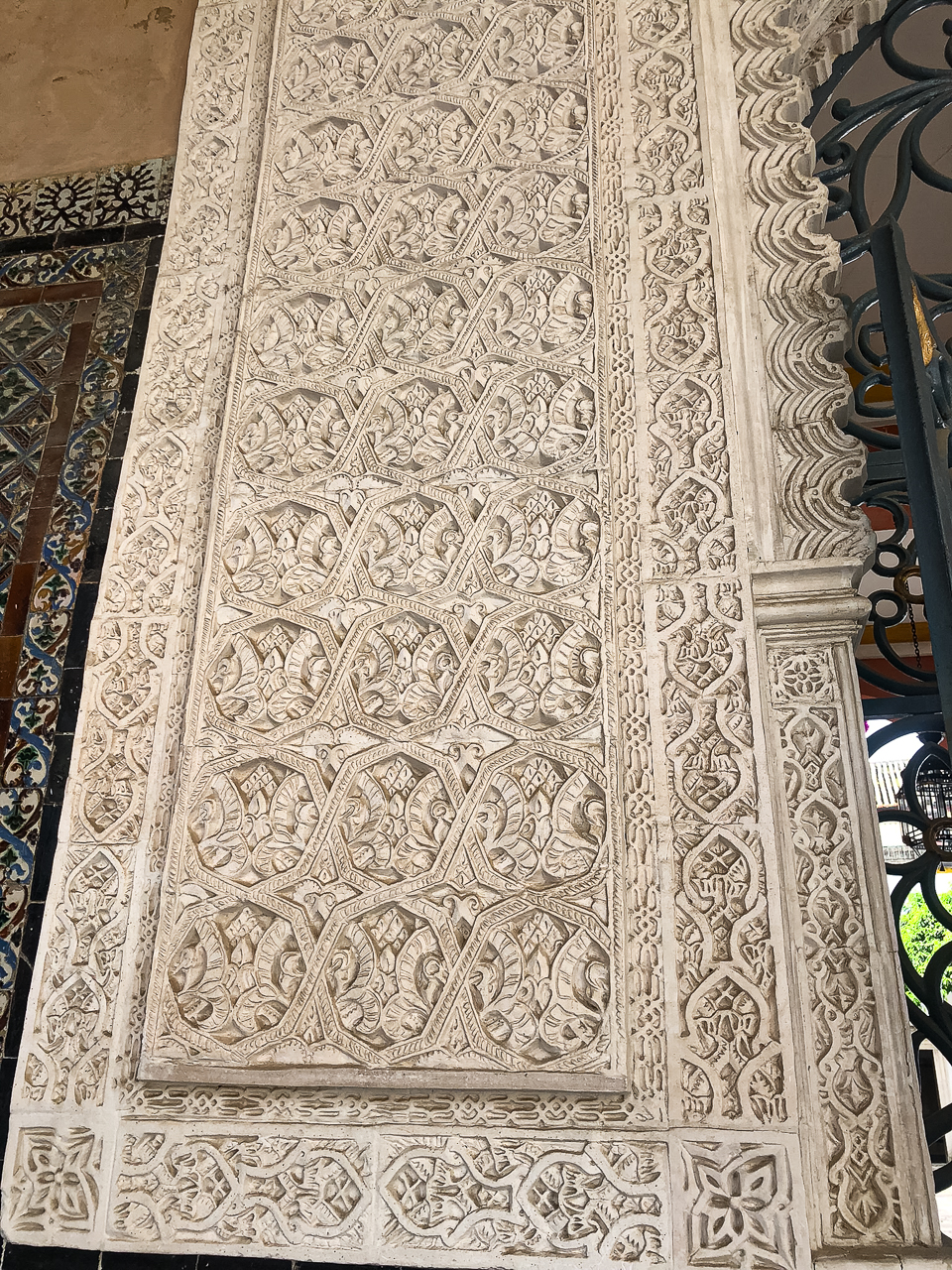
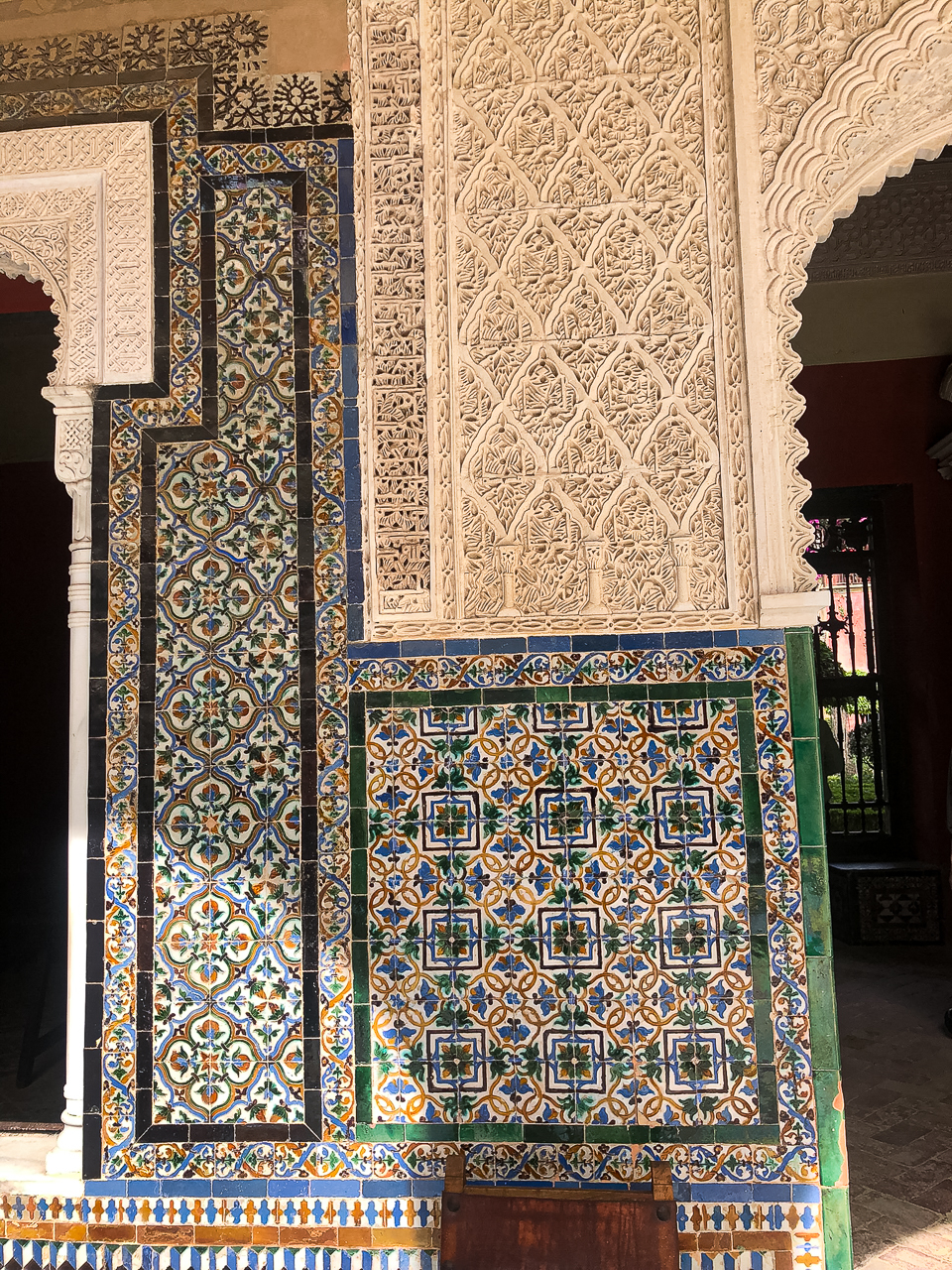

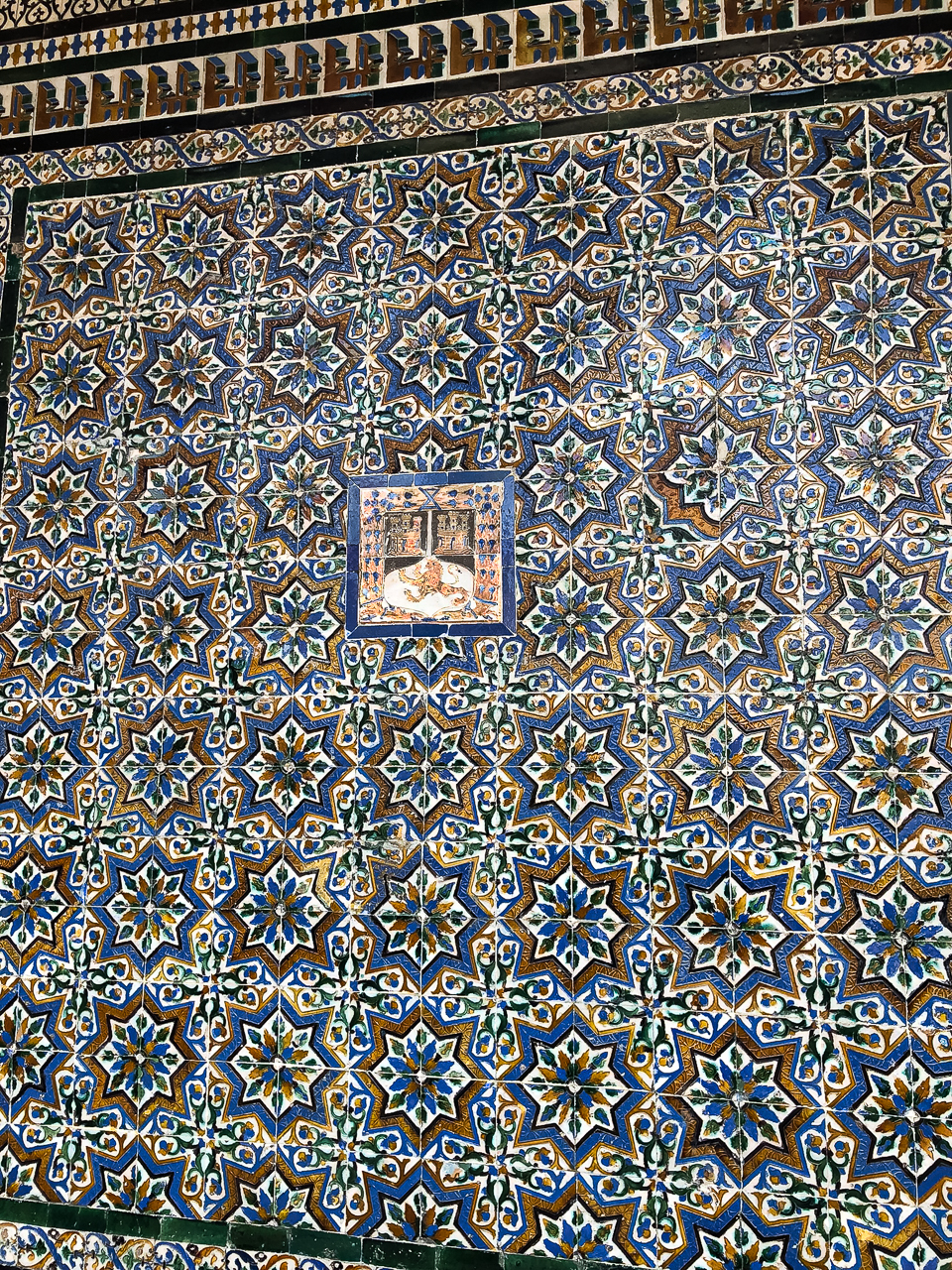
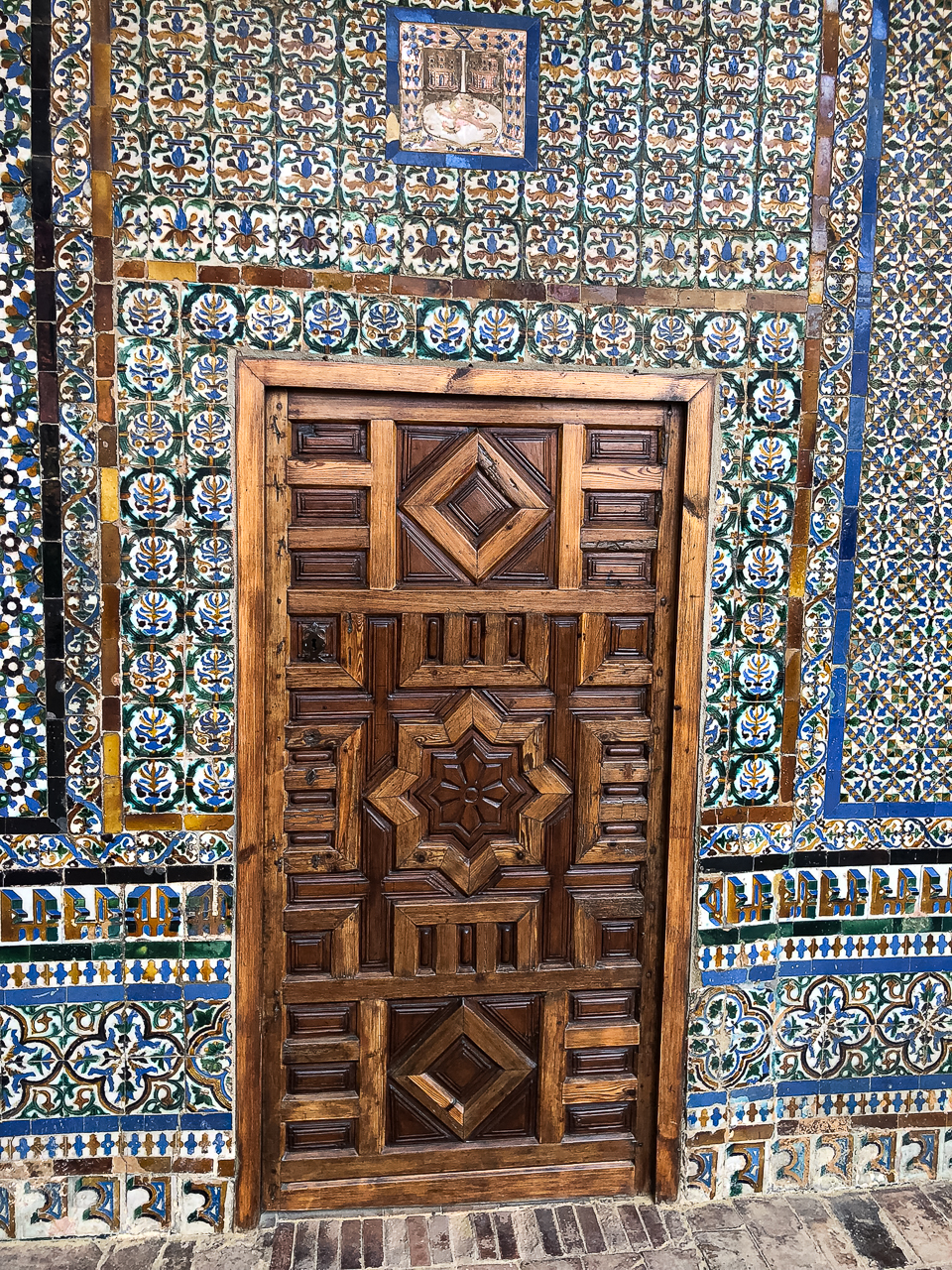
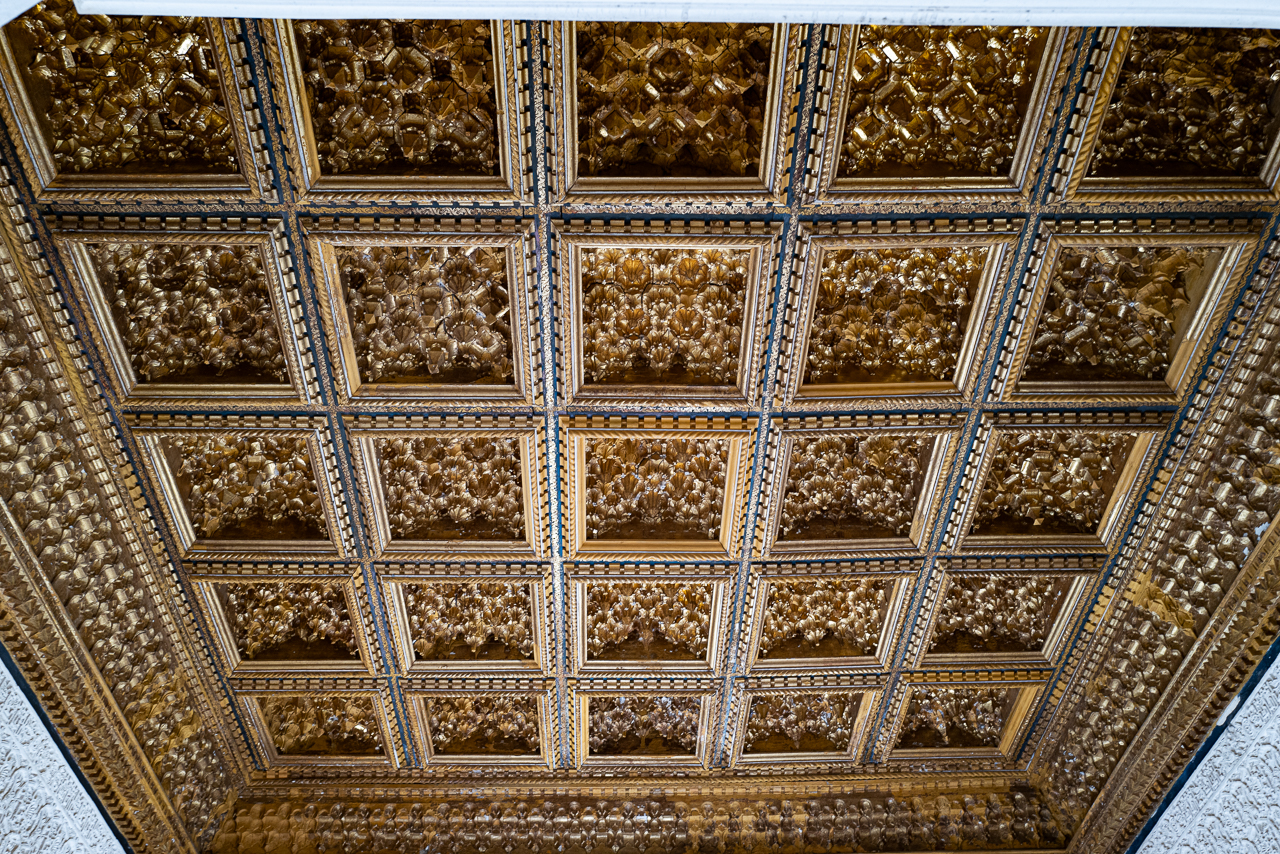
One unexpected treat was to see 4 art restorers, high up on a scaffold platform, precisely applying gold leaf paint on the ornate ceiling in one of the central spaces.

It doesn’t take more than an hour to cover the entire place, but it’s time well spent and it was nice to visit again.
Some photos to give you a sense of the place –


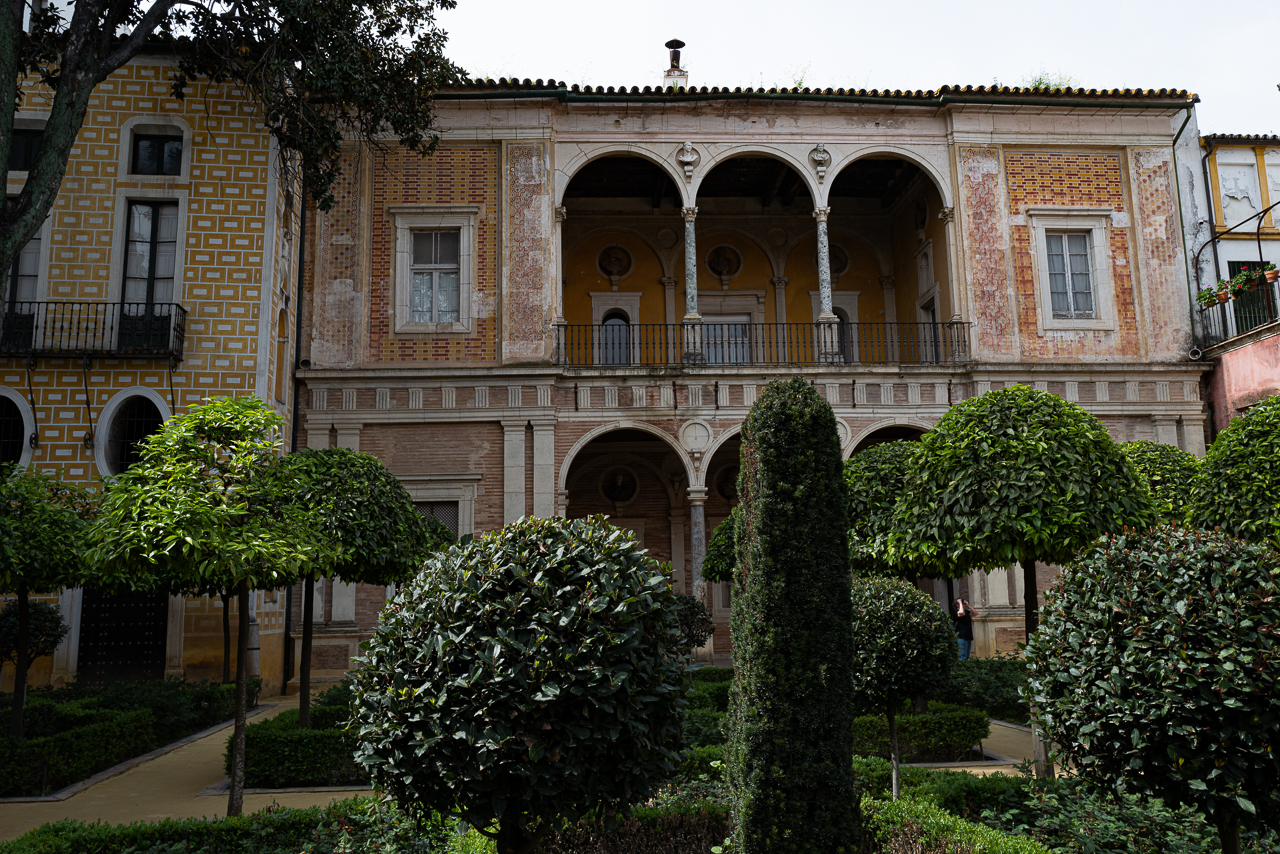
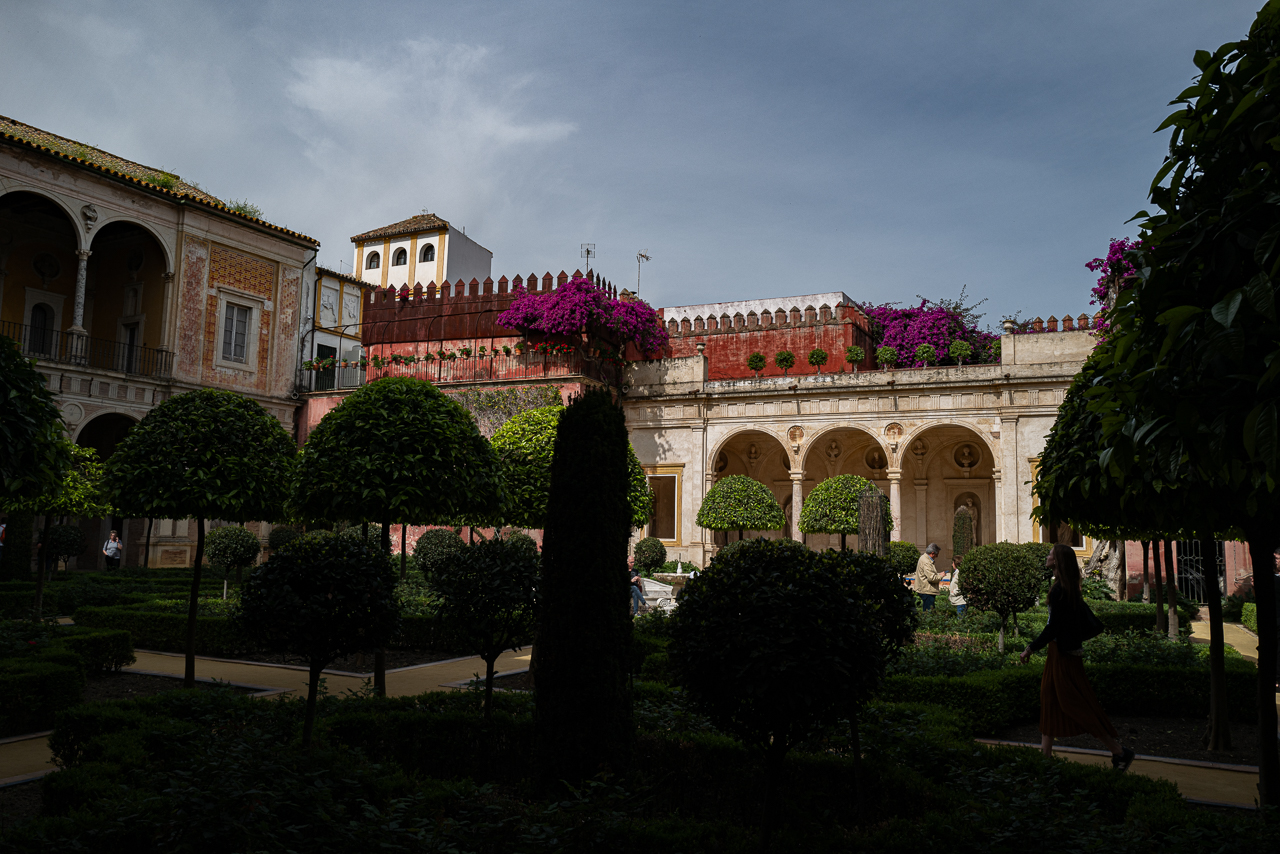

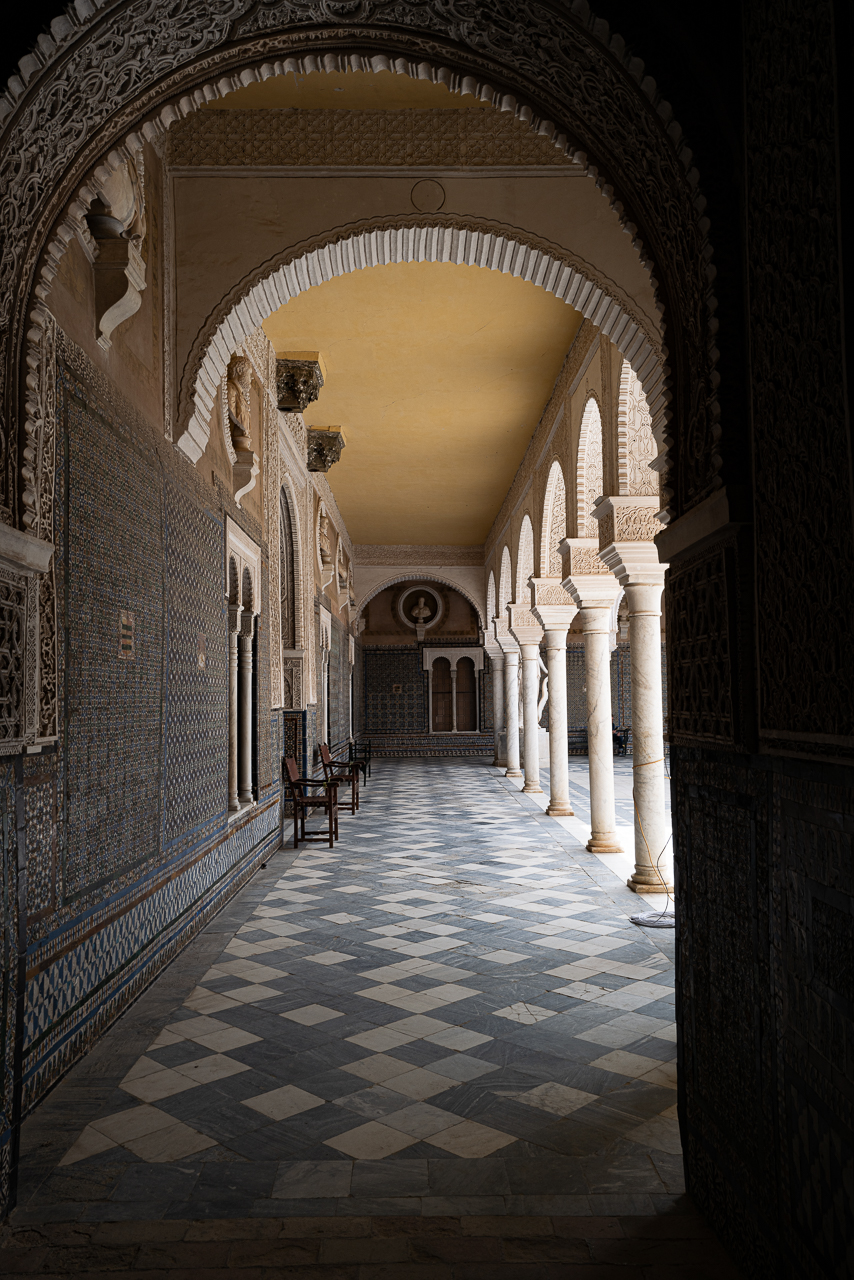
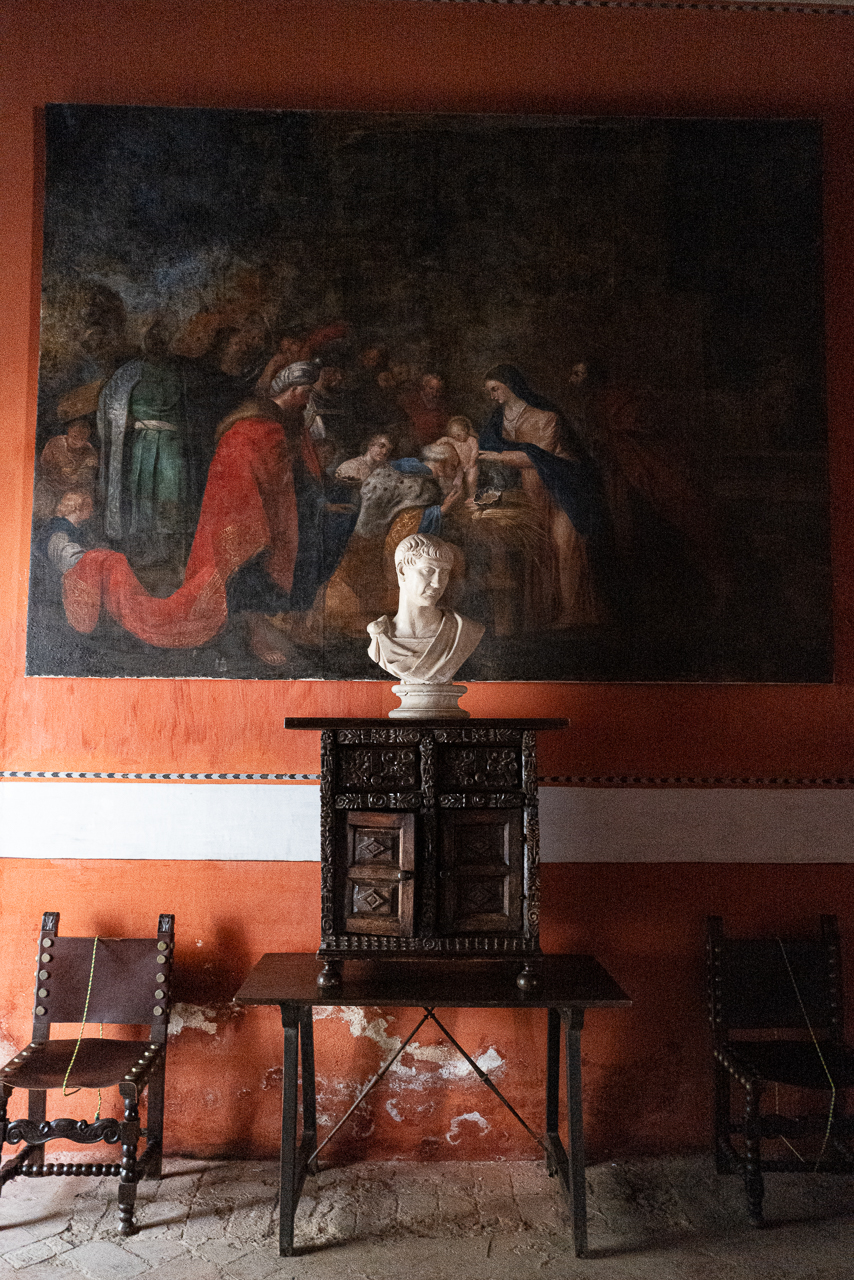

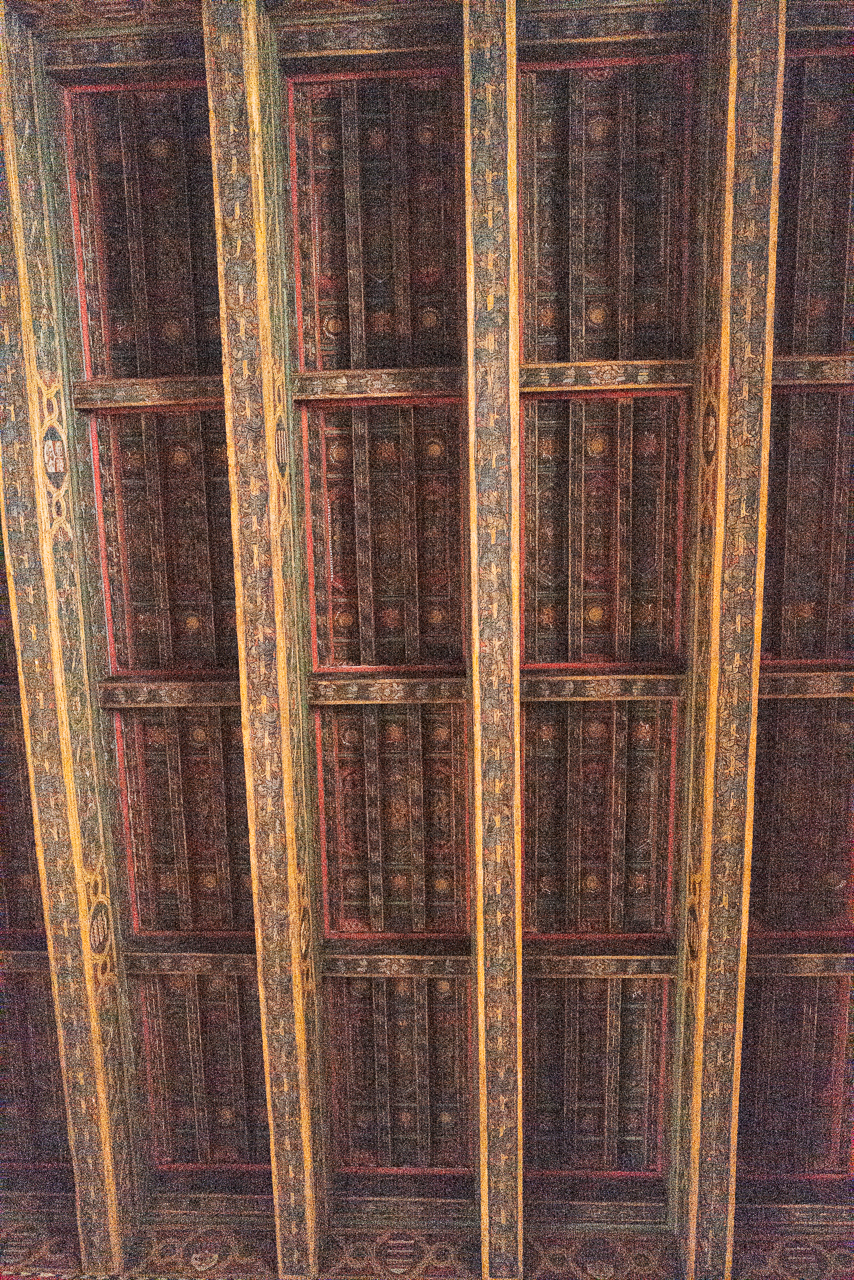
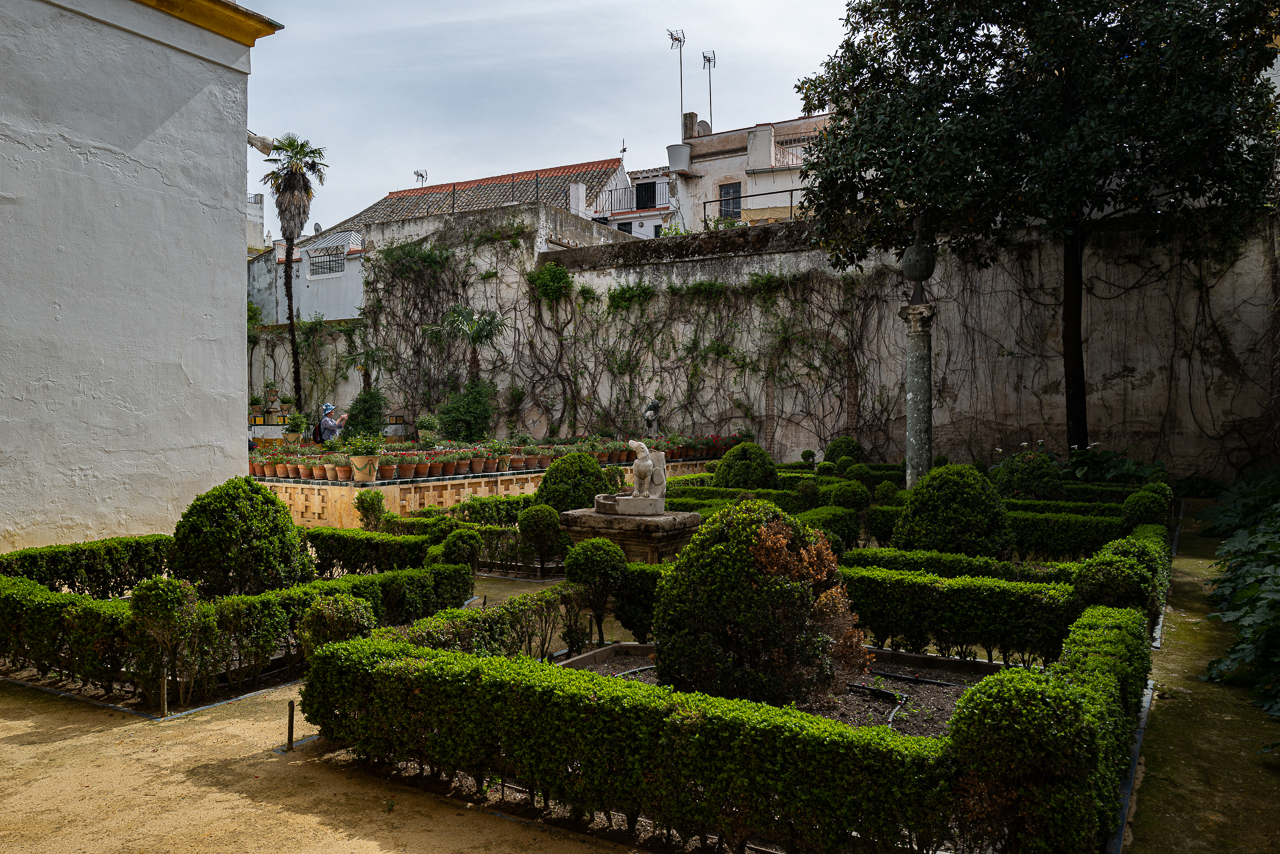
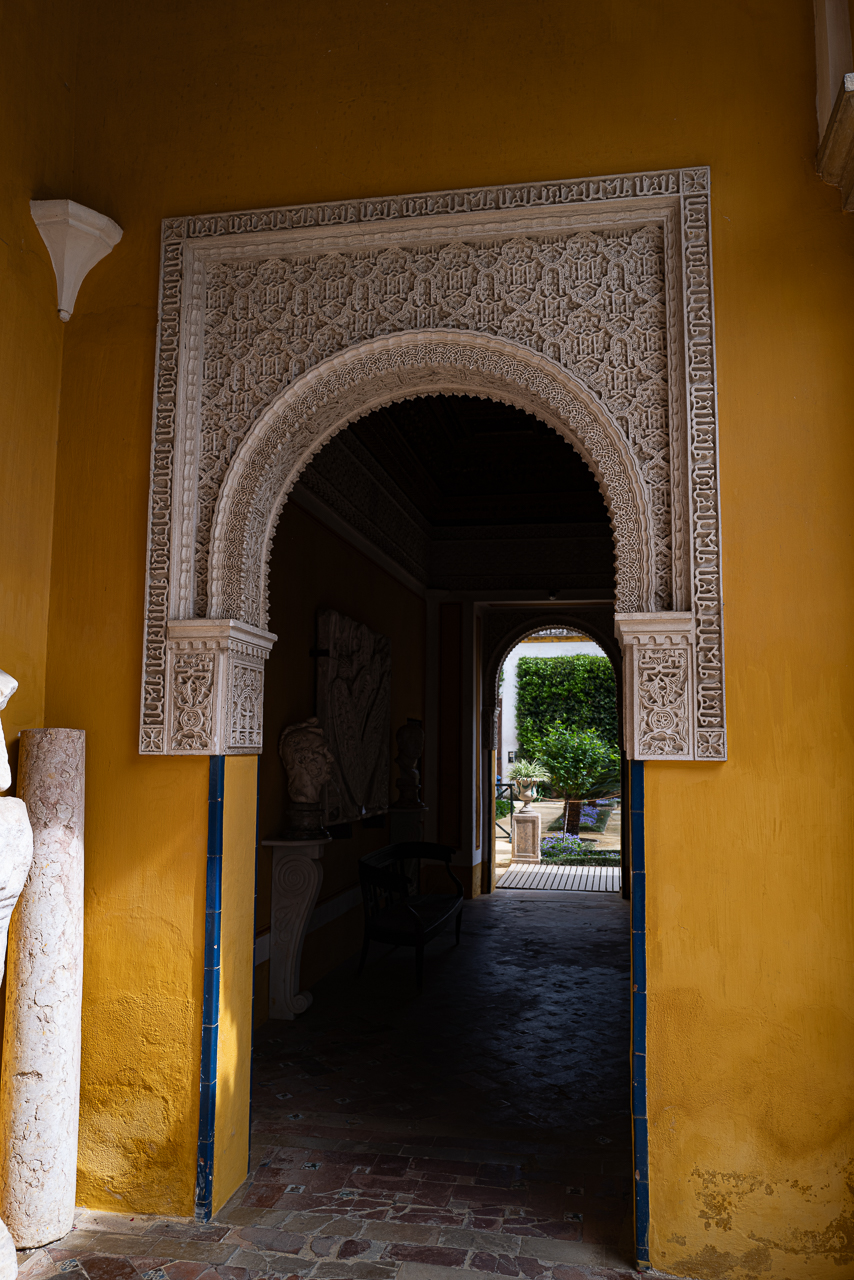


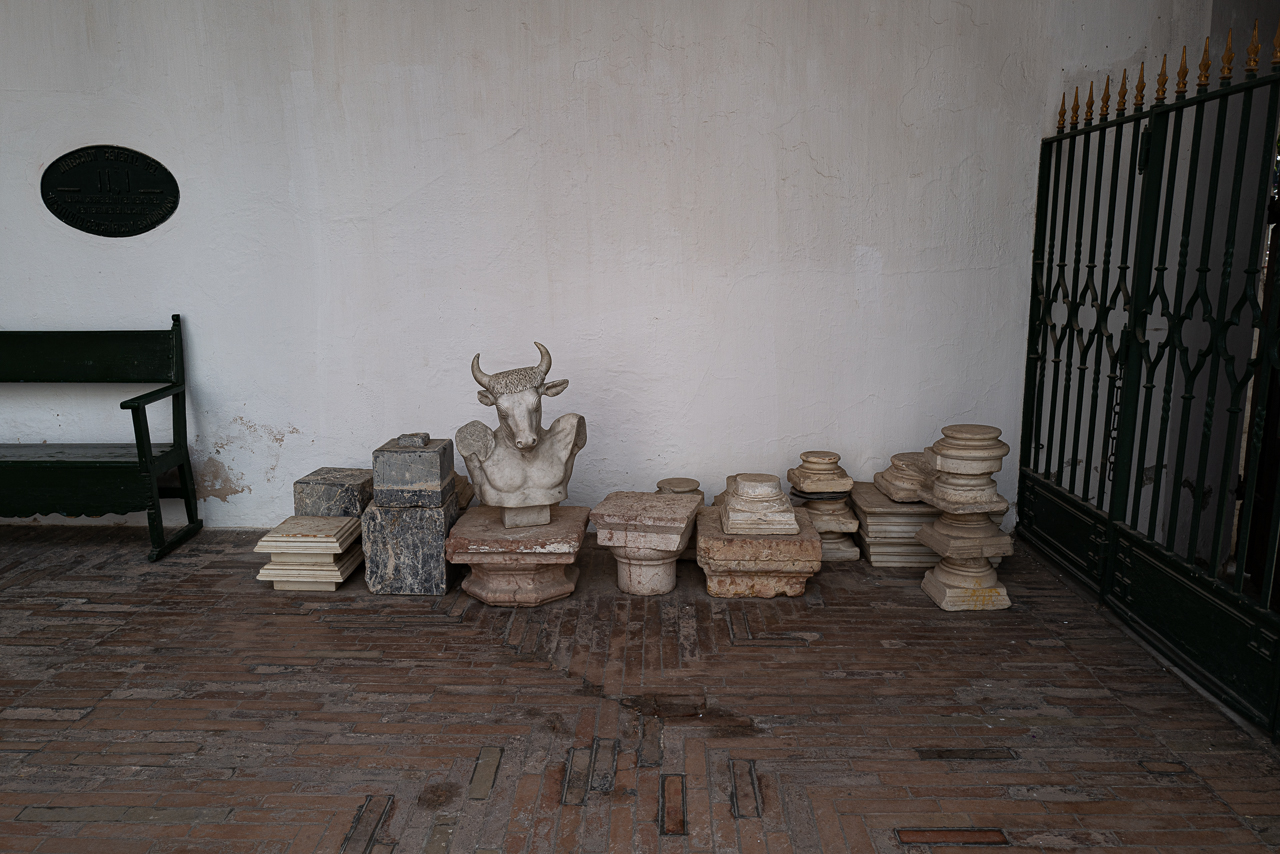
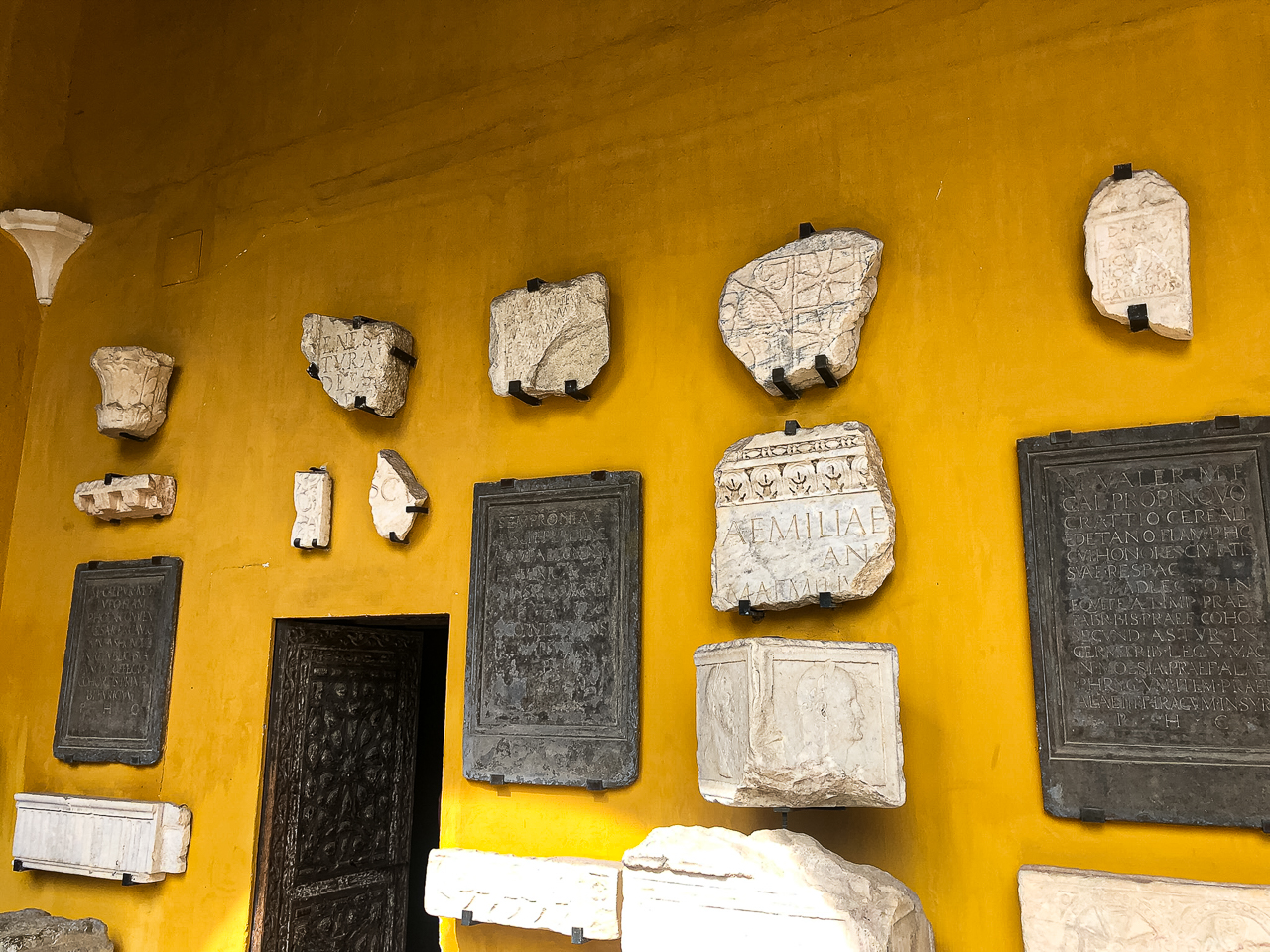


We finished the day with dinner at L’Oca di Giuliva, our long-time favorite Italian on Mateos Gago. We first went there many years ago, and in subsequent visits didn’t make another visit. They’ve become very popular, requiring reservations with specific time slots. We arrived at 8, were seated right away, and ordered. I opted for Duck Ragù on Pappardelle, and MLW went for Ravioli filled with Spinach and Ricotta. Two nice Italian wines accompanied the meal. We closed with Tiramisu and Crostata, our first deserts of the week, and totally unnecessary. The day ended as it always does here – a short walk to the benches at the end of Constitución and one last session of evening people-watching. It’s a different crowd and night, far fewer tourists and more locals and lots of teenagers out for romance.
One more day here before we’re on to Porto.
 tbaroundtheworld
Thanks for all the pictures. I also appreciate knowing about dinner 🙂
>
Gorgeous place and it sure does look peaceful. Photo #625 is artistic in a gallery-quality way.
Like Chris, I also love hearing about every coffee and meal excursion. I’m not really sure why, but I do.